Are There Toilets On The Mt Tarawera Crater Walk
The one toilet fact that is published about the Mt Tarawera crater walk, where it sits on the route, and what to ask the operator before you book.
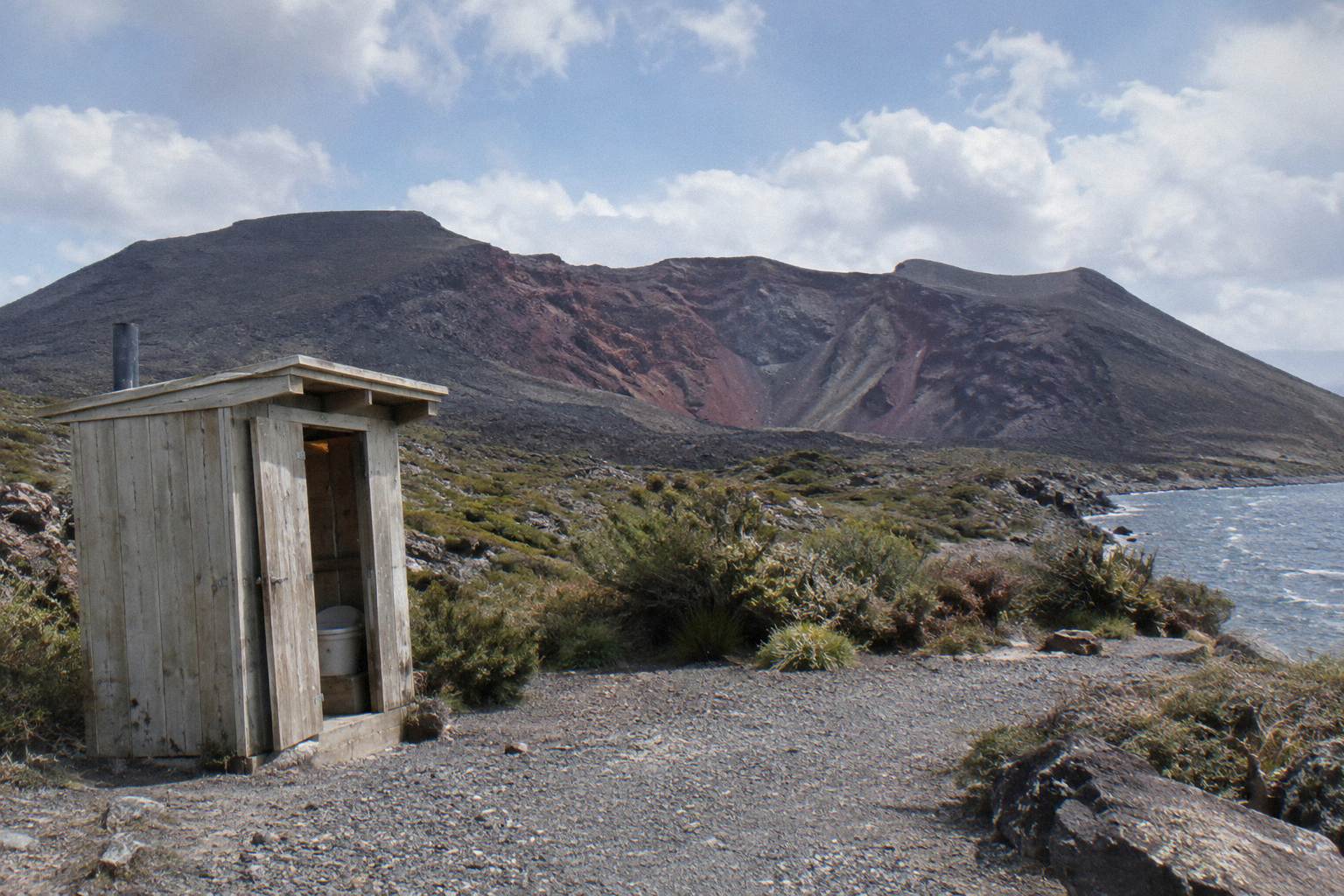
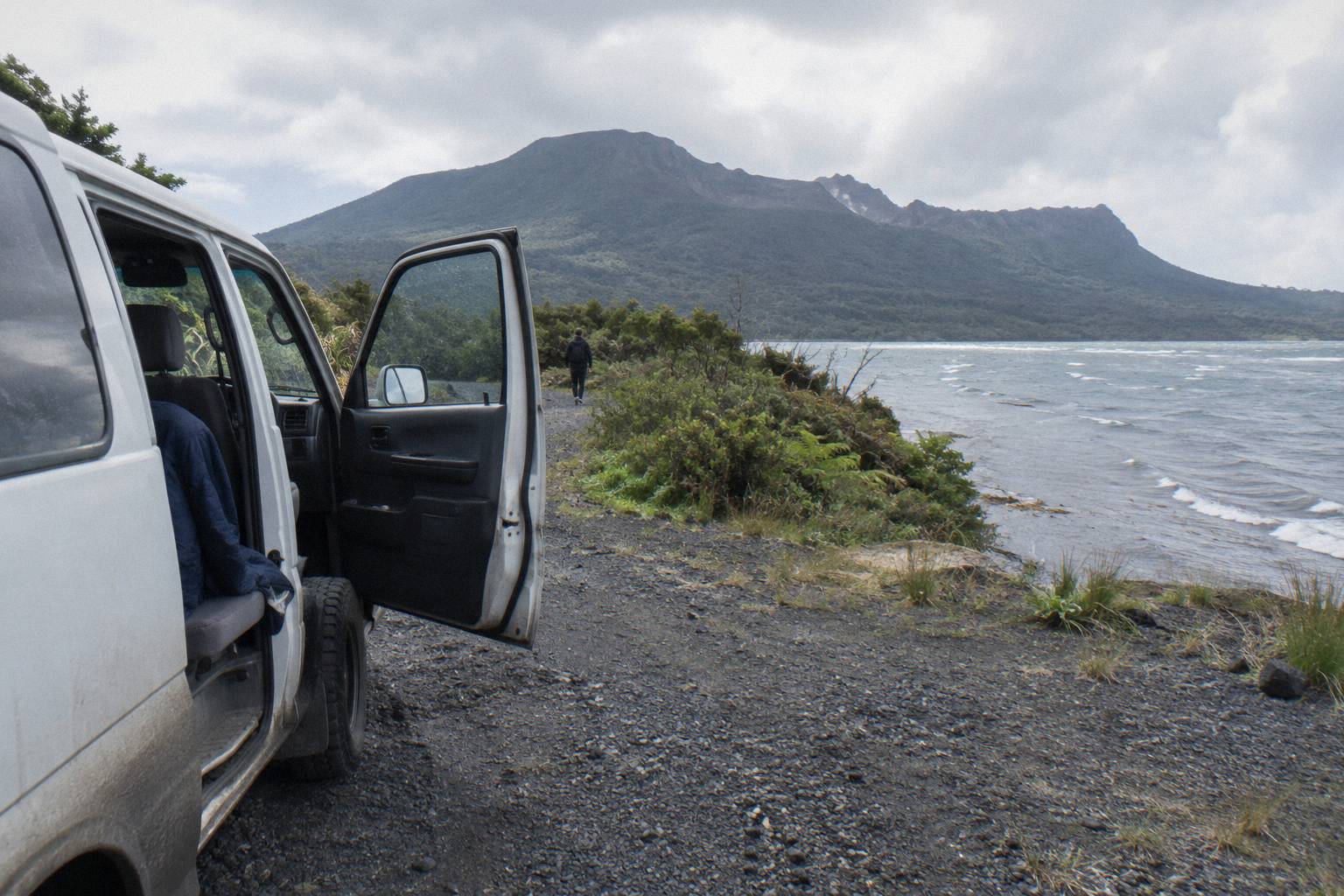
Yes, but only one is published: the guided trips that drive up the mountain include a base camp stop with a composting toilet, reached partway through the 4WD drive, before any walking starts. From that stop to the summit and back, the operator publishes no further toilet facilities, so plan around a window of roughly 90 minutes of guided crater walking with nothing en route.
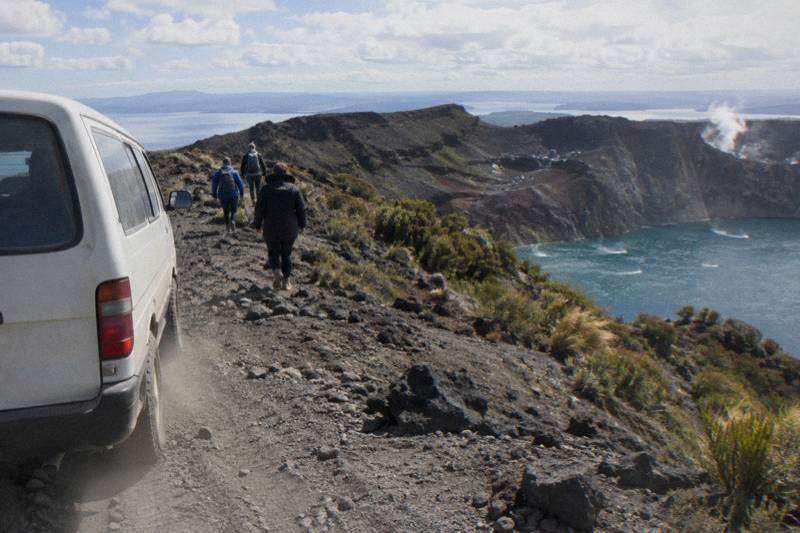
That single sentence carries almost everything the operator has ever said publicly on the subject, and it is worth unpacking, because it answers a question most people only think to ask on the morning of the trip. The composting toilet belongs to the base camp stop on the 4WD track. The operator's own FAQ describes the sequence plainly: guests meet at the Main Carpark on Hemo Road in Whakarewarewa, drive about 30 minutes to the base of the mountain track, then cover roughly 8.2 km of bumpy off-road in a 4WD vehicle, stopping at the base camp where the toilet is and where walking sticks are handed out. The road ends where the walk, the hikoi, begins.
So the toilet is not at the meeting point, not at the summit, and not on the crater walk itself. It sits at the natural hinge of the day: the last comfortable stop before the vehicle stops and the legs take over. If you have travelled with children, or with anyone who likes to know where the next stop is, that hinge matters more than any other detail of the logistics. The walk to the summit of Ruawahia, at 1,111 m, and the optional run down the scree into the crater all happen after it.
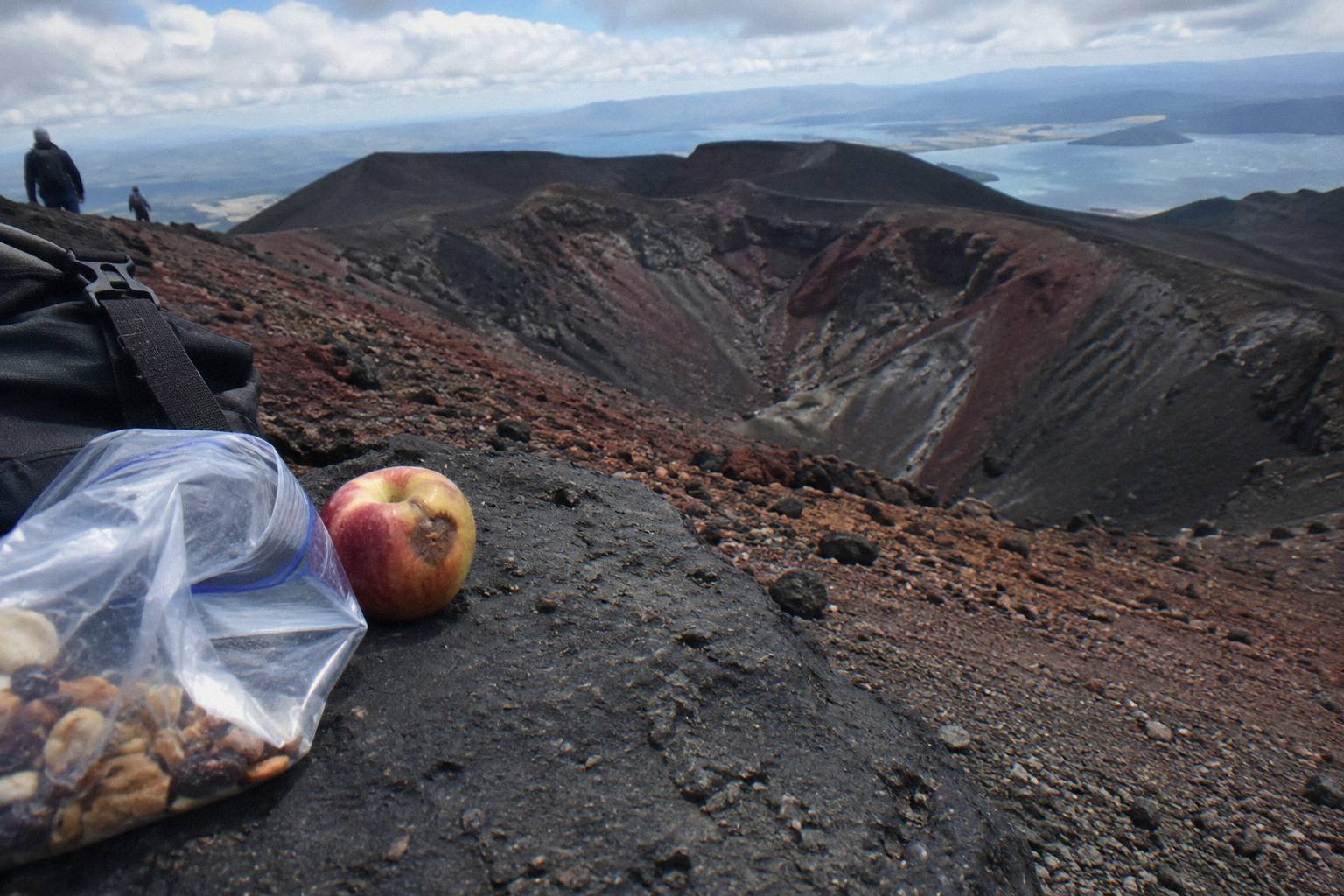
The operator behind that route is Kaitiaki Adventures, which runs the Kaitiaki Half-Day 4WD And Crater Walk, a 4 hours 30 minutes guided experience rated 4.9 across 359 reviews, with free cancellation up to 24 hours on the booking page. Kaitiaki provides no snacks and asks guests to bring water, so the base camp stop is also where most people eat something and drink before the climb. Check availability
If a 4WD-and-walk format does not fit your group, the same question has a different answer for the flight products, and a very different answer for the lake-edge trail on public land. Before those, here are the three guided experiences that touch the mountain summit:
Where The Composting Toilet Sits On The Route
The sequence comes straight from the operator's FAQ page, and it is the closest thing to an official route description that exists. Meeting point first: the Main Carpark on Hemo Road, Whakarewarewa, just south of central Rotorua. The booking pages for the half-day trip offer free pickup from central Rotorua accommodation, though no pickup time is promised, so confirm yours when you book. Then the drive: about 30 minutes out of town to the base of the mountain track. Then the rough part: roughly 8.2 km of bumpy off-road in a 4WD vehicle, a stretch the operator flags with a motion-sickness warning, asking guests who are prone to it to tell the guide. The base camp stop, with the composting toilet, arrives at the end of that stretch.
It helps to picture the day as three blocks with one pause between the second and third. The pause is the toilet. Nobody publishes a second one anywhere above it, and the terrain explains why: above the road end the track climbs volcanic scoria, with benches along the way and two short scrambly sections, to the summit ridge at 1,111 m, then optionally down a 45 degree scree slope the operator describes as approximately 400 m deep. There is no infrastructure up there, no shelter, no water tap and no toilet, and the wild, empty look of the crater is precisely the point of going.
The Stages Of The Day And What The Operator Says
Each stage of the guided day has its own published detail, and only one stage mentions a toilet: the base camp stop. The table below walks the day from meeting point to finish line using the operator's own words, so you can see exactly where facilities exist and where they do not.
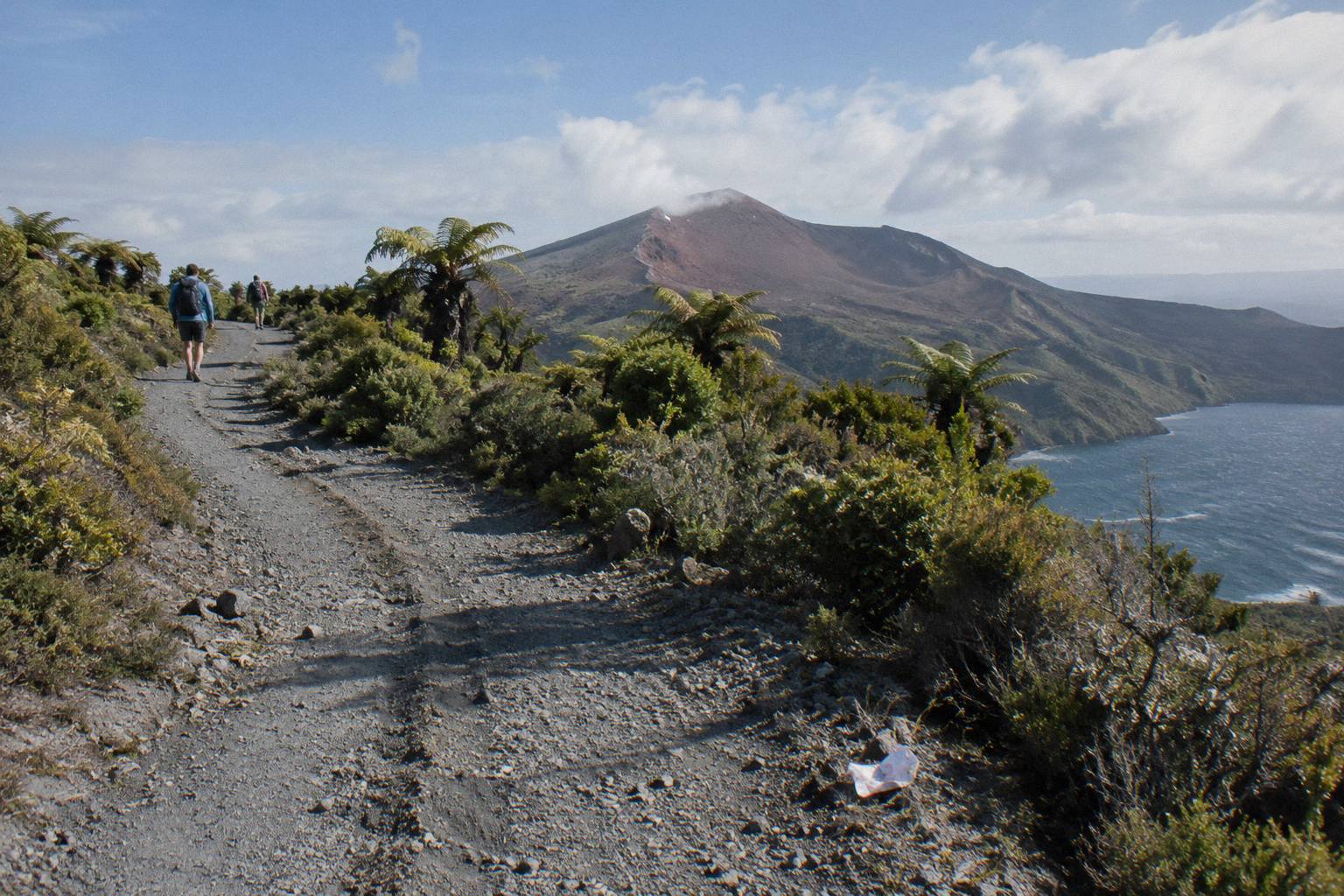
The half-day trip runs about 4 hours 30 minutes in all, door to door, with free cancellation up to 24 hours on the booking page. Amounts are in New Zealand dollars throughout, and for that trip the booking page shows the amount for your date rather than quoting one in advance. The 90-minute guided crater walk is the heart of it, sandwiched between the 4WD ascent and the drive back down.
| Stage of the day | What the operator says | Toilet situation |
|---|---|---|
| Meeting point, Main Carpark, Hemo Road | Check-in and trip briefing; confirm pickup details on the booking pages | Arrive already sorted |
| Drive to the mountain, about 30 minutes | Scenic drive from Rotorua to the base of the 4WD track | |
| 4WD track, roughly 8.2 km | Bumpy off-road stretch; motion-sickness warning asks guests to tell the guide | None on the track itself |
| Base camp stop | Composting toilet; walking sticks handed out; the road ends and the hikoi begins | The one published toilet |
| Summit walk, about 90 minutes guided | Moderate fitness; benches en route; volcanic scoria can be slippery; summit at 1,111 m | |
| Optional crater scree run | A 45 degree slope approximately 400 m deep, in the operator's FAQ wording | |
| Return 4WD and drive back | Trip ends back at the meeting point |
Two practical readings fall out of that table. First, the base camp stop is your single chance, so treat it as non-negotiable even if you feel fine when the vehicle stops; the walking ahead is real exercise on loose ground, and it runs longer than the drive down. Second, the guide is the resource for anything the published material does not cover. If someone in your group needs a stop mid-walk, say something early: the operator describes lighter walking options instead of the summit for guests who want them, which suggests a flexibility worth asking about rather than assuming.
The Kaituna Rafting And Tarawera Crater Walk Combo follows the same mountain leg, since it is run by the same operator and includes the 4x4 transport up and the 90-minute guided crater walk, wrapped around about 1.5 hours of Kaituna River whitewater rafting, about an hour of it on the water, over roughly 9 hours in all. The combo's mountain leg includes the same base camp infrastructure; ask at booking how the two separately timed activities and their stops are sequenced.
What To Ask When You Book
Beyond the base camp toilet, the gap is yours to close with two or three direct questions at booking time: whether the meeting point has facilities before departure, whether the base camp stop is guaranteed on your date, and what the guide's protocol is if someone needs an unplanned stop on the walk.
None of those questions is awkward, and all of them get better answers before you pay than on the day. A short checklist keeps it tidy:
| Question to ask | Why it matters | Who to ask |
|---|---|---|
| Are there toilets at the Main Carpark meeting point? | Ask when you book | The operator, before departure |
| Does the base camp stop always run, or can weather cut it? | The stop is the only published facility on the route | The operator, before departure |
| What happens if someone needs a stop during the crater walk? | The walk runs about 90 minutes | Your guide on the day |
| Is the composting toilet suitable for young children? | Minimum age is 7 as the operator states; younger children need more lead time | The operator, before departure |
| Are there toilets at the rafting base for the combo? | The combo runs two separately timed activities over about 9 hours | The operator, before departure |
The pattern to notice is that the published facts cover the route and the rules, while the comfort details live in a quick conversation. Booking pages for the half-day trip also note that people with certain medical conditions are not suitable and moderate fitness is needed, which is worth reading alongside your questions. For the related question of food and drink, the companion piece on whether snacks and drinks are included covers what to pack in the bag you bring.
Helicopter Flights And The Same Question
The flight products answer the toilet question differently, because the summit visit is a short guided walk rather than a half-day expedition: the operator publishes no toilet facilities at the lakefront departure point or on the mountain for helicopter guests, so the advice is simply to be ready before check-in at 1 Lakefront Drive.
Take the Volcanic Air 40-Minute Summit Landing Flight, from NZ$675 per person, rated 4.9 across 43 reviews. It departs the Rotorua City Lakefront helipad, crosses lakes Okareka, Okataina and Tarawera, and touches down for a guided summit walk the operator's own page times at 15 minutes while the booking page says about 20 minutes, a difference worth attributing rather than averaging. Twenty minutes on the summit is a photo stop and a short stroll with the pilot-guide, not a tramp, so the practical toilet window is the same as any town-based activity: go before you fly. Landings are at the pilot's sole discretion and depend on weather, volcanic activity and passenger loadings, in the operator's wording, so a flight that becomes a flyover shortens the summit window further, to zero.
The same logic scales to the longer flights. The 1-hour mountain landing, the Tarawera And Orakei Korako Dual Landing Flight from NZ$1,490 per person with its ferry transfer and hour of self-guided geothermal wandering, and the Tarawera Scenic Floatplane Flyover from NZ$395 per person, rated 4.8 across 48 reviews (a flyover, no landing), all start and finish at the lakefront. The dual landing deserves a special note: Orakei Korako is a developed visitor site, so it is the one flight product where a mid-trip facility is plausible; confirm at booking. All six trips on offer carry free cancellation up to 24 hours on the booking page, which makes asking your questions cheap: a wrong answer can still be refunded.
The Trail Below And A Common Mix-Up
People often confuse the Mt Tarawera crater walk with the Tarawera Trail beside the lake, and the toilet answer differs: the lakeside track is a 15 km advanced tramping route on public conservation land with a campsite at the far end, while the summit crater walk crosses privately governed land with its single base camp facility.
The distinction matters because search results blend them. The Department of Conservation describes the Tarawera Trail as a 15 km advanced tramping track from the Te Wairoa car park to the Hot Water Beach campsite via Te Rata Bay, with dogs, bikes and vehicles not permitted. That is a full day's walking at lake level, and it never touches the summit domes. The crater walk described above is a guided, vehicle-supported experience on the mountain itself, run under concession: the Ruawahia 2B Trust governs the mountain, reinvests most tourism concession revenue in conservation with wilding pine removal first, and Ngati Rangitihi hold kaitiakitanga, as set out on the operator's conservation page, which also describes both summit operators as concessionaires working alongside Ngati Rangitihi.
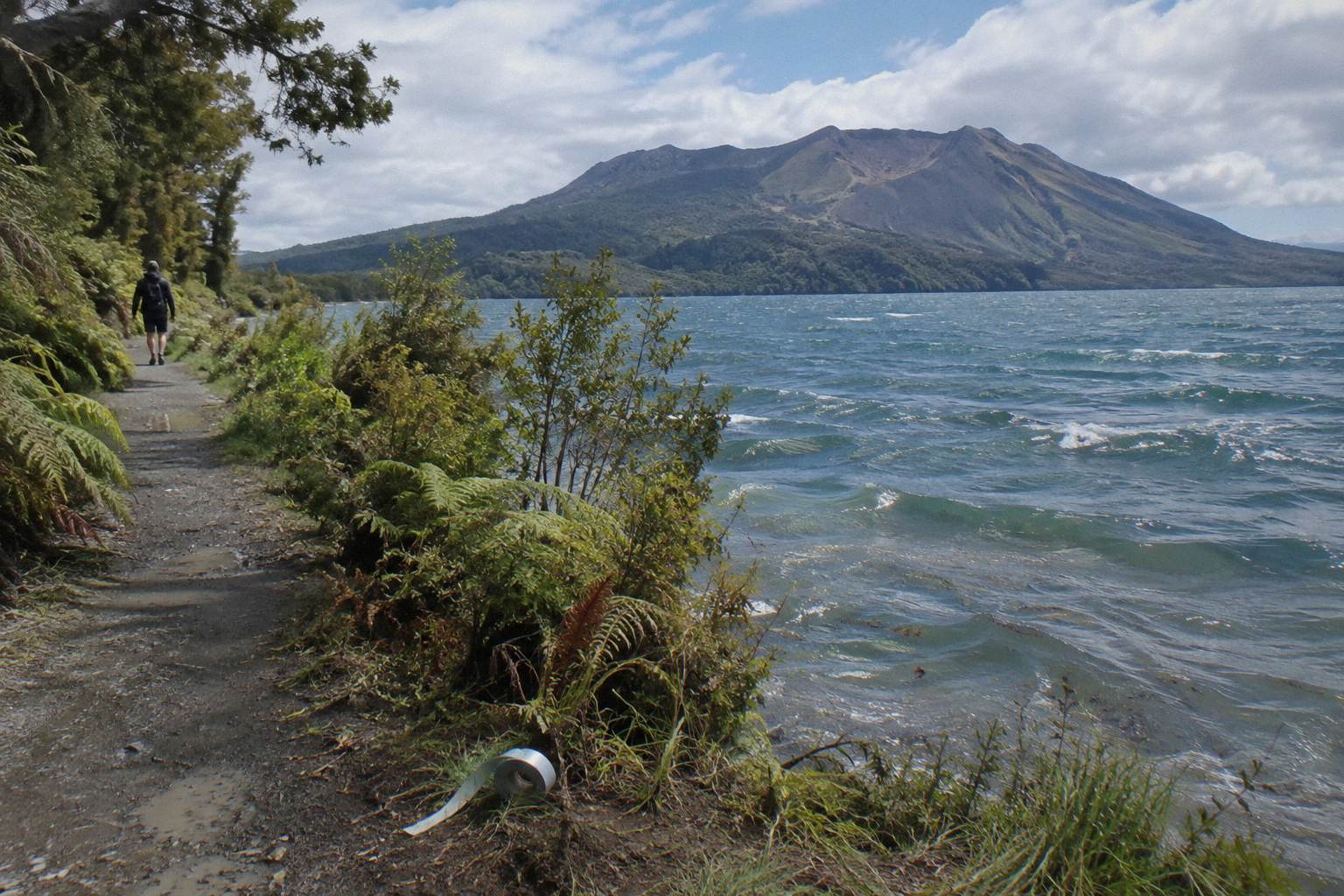
If the lake version appeals, DOC suggests the water taxi or an overnight at the campsite rather than walking both directions in a day, and warns that patches of sand at Hot Water Beach are very hot. The deeper comparison, including which experience suits which traveller, sits in the guide on the Tarawera Trail versus the crater walk. For toilet planning the shorthand is simple: lake trail, pack for a tramp and plan around the campsite; summit crater walk, use the base camp stop and treat everything above it as backcountry.
Toilet Planning Mistakes To Avoid
The recurring mistakes are assuming a facility exists at the meeting point, skipping the base camp stop because the drive felt short, treating the summit walk as a quick stroll, and forgetting that the 4WD descent can take a while, all of which are avoidable with one habit: use the stop, ask the guide, and go before you leave town.
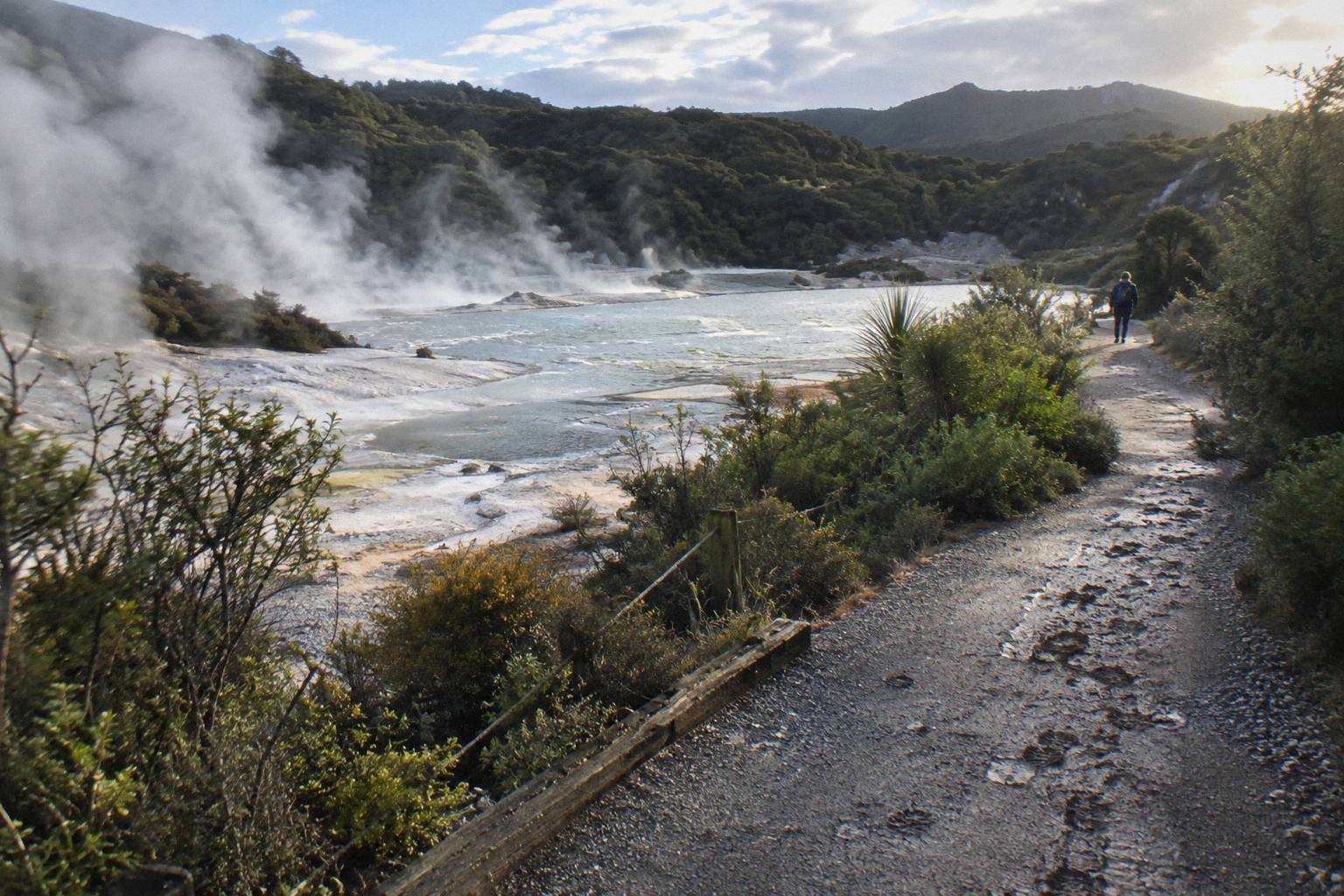
The first mistake is the town-side one. The route starts at a public carpark in Rotorua, and it is easy to assume public facilities follow. Ask when you book rather than arriving desperate and disappointed. The second is skipping the base camp stop on the assumption that the crater walk is brief. It runs about 90 minutes with the summit at 1,111 m, on scoria the operator says can be slippery, and the optional scree run adds a descent and a climb back out. Exertion plus altitude plus nerves is a bad mix to combine with a skipped stop.
The third mistake belongs to families. Minimum age for the half-day walk is 7 as the operator states, and children that age do not manage 90-minute no-facility windows the way adults do. Build in margin at the base camp stop and brief the guide beforehand, which is exactly the kind of thing guides handle well when told early and handle badly when discovered late. The fourth is seasonal: Rotorua's town climate runs from a mean daily maximum of 12.0 °C in July to 23.1 °C in February, with July the wettest month at 137.4 mm of rain, and the summit at 1,111 m is colder and windier than those town figures, so cold-weather layers narrow the margin for waiting around. The fifth is the combo mistake: a 9-hour day with two activities means two sets of stops, and only the mountain leg's stop is described anywhere, so ask about the rafting side too.
If those points have settled the practical question and the day itself still tempts you, these are the three summit experiences again, side by side:
For everything else on planning the day, from what to wear to how the walk actually feels, Mt Tarawera Volcano Hike gathers the practical questions in one place.
Common Questions About Toilets On The Mt Tarawera Crater Walk
Are There Toilets On The Mt Tarawera Crater Walk?
One is published: a composting toilet at the base camp stop partway up the 4WD track, roughly 8.2 km along the off-road stretch, where walking sticks are handed out before the hikoi begins. Nothing further is published above that stop for the summit or the crater.
Is The Toilet At The Start Or Halfway Up?
Neither, strictly. It sits after about 30 minutes of driving from Rotorua plus the 8.2 km 4WD track, at the base camp where the road ends and the walk starts. Nothing is published for the meeting point carpark itself, so ask when you book.
Are There Toilets On The Helicopter Summit Flights?
Go before check-in at 1 Lakefront Drive. The guided summit walk on the 40-minute flight is 15 to 20 minutes depending on which of the operator's pages you read.
What About The Kaituna Rafting Combo?
The combo includes the same 4x4 ascent and 90-minute crater walk, so the base camp stop applies on the mountain leg. For the rafting side over the roughly 9-hour day, ask when you book.
Is The Composting Toilet Suitable For Children?
The half-day walk has a minimum age of 7 as the operator states. Composting toilets are basic, and nothing more specific is published, so mention your child's needs to the operator at booking and to the guide at the base camp stop.
Can I Use The Base Camp Stop On The Way Down Too?
Ask at booking whether the return 4WD descent repeats the stop. Planning on the way up stop as the last certain one, and treating any descent repeat as a bonus, is the safe assumption.