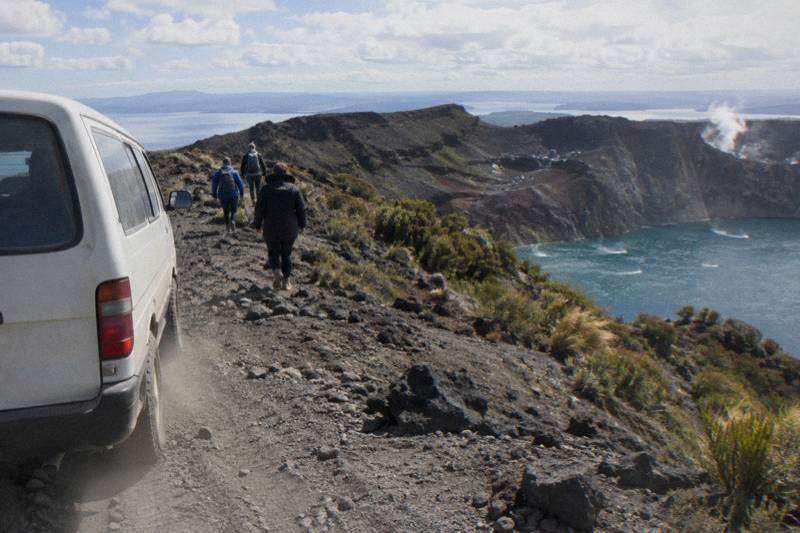
How Long Does The Mt Tarawera Crater Walk Take
Duration decides which Mt Tarawera departure fits your day and how much of that day to block out. Here is what each option takes, hour by hour, and what those hours buy you.
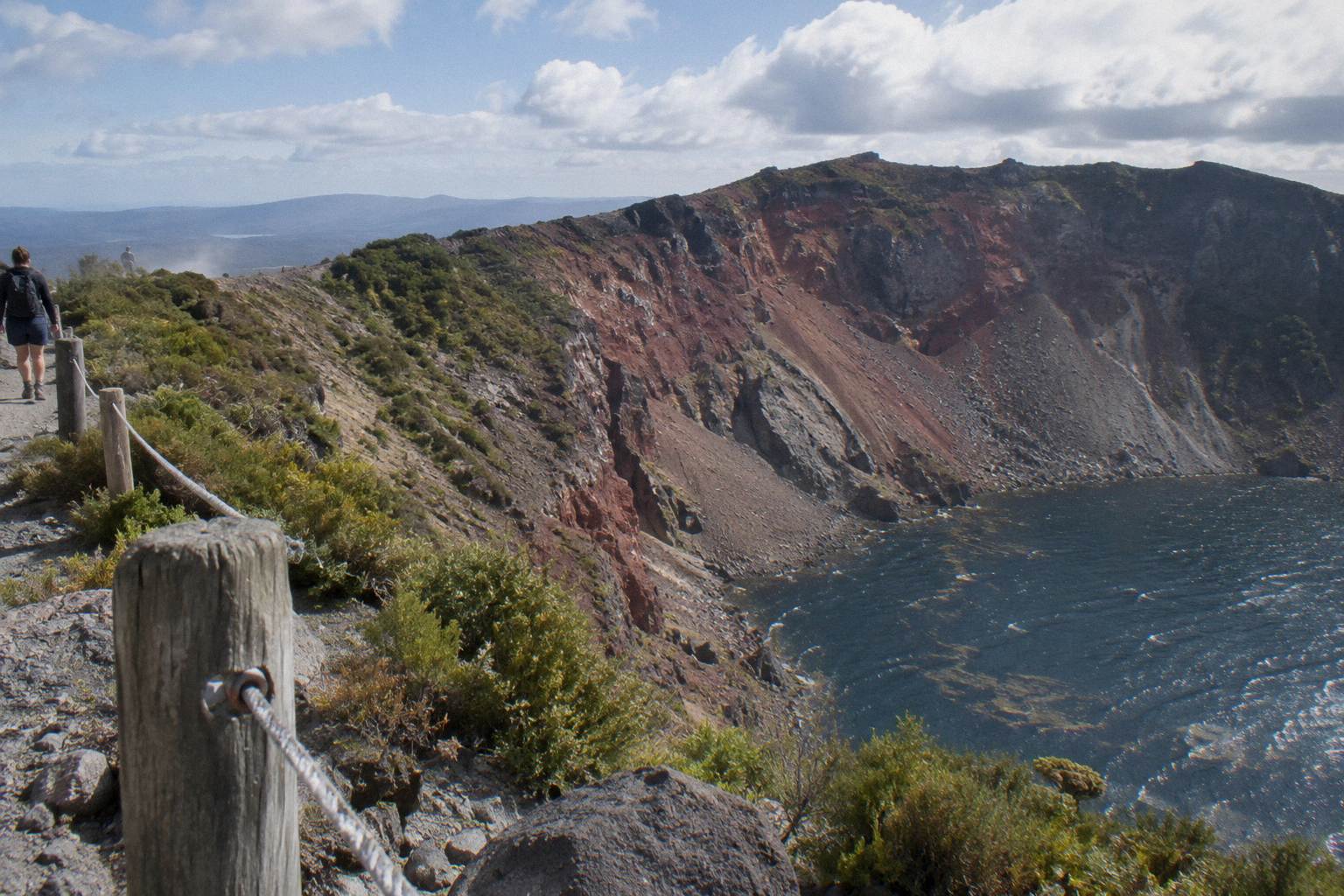
Short answer
The guided half-day 4WD and crater walk takes about 4 hours 30 minutes, and the operator's full-day hike takes about 6.5 hours. The 90-minute crater walk is the booking-page wording. Helicopter options run from a 40-minute landing flight to a 3-hour dual landing, and a Kaituna rafting combo runs about 9 hours.
Mt Tarawera is a 1,111 m volcano whose summit is reached on guided trips only, and the single question that shapes most bookings is time. The guided half-day 4WD and crater walk takes about 4 hours 30 minutes end to end. A helicopter landing compresses the mountain into 40 minutes, a floatplane flyover into 30, and a rafting combo stretches the day to about 9 hours. Getting the duration right decides which departure you can make, how much of the day to block, and whether you still have daylight for Lake Tarawera afterwards.
The number that confuses people is the walk itself. The booking pages describe a 90-minute guided crater walk inside the 4.5-hour half-day trip, and that 90 minutes is only part of a journey that also includes a drive and an off-road leg. Those pieces are never added together into one total, because the operator describes them separately, and weather reshuffles them anyway. What follows breaks each option down by its stated duration, what that duration includes, and where the time actually goes.
The mountain earns that time. Tarawera is one of the dome volcanoes of the Okataina Volcanic Centre east of Rotorua, and Ruawahia Dome, at 1,111 m, is the highest of its three domes. The 1886 eruption that carved today's landscape was New Zealand's largest in the last 500 years, heard as far as Blenheim with ash falling as far as Christchurch, so the crater you walk through is geologically young and visually unlike anything else in the region. That context is worth having before you decide whether four and a half hours, or forty minutes, is the right amount of time to spend on it.
How Long Does The Mt Tarawera Crater Walk Take?
The crater walk itself is about 90 minutes of guided walking, per the booking-page wording, inside a half-day trip that runs about 4 hours 30 minutes door to door. The operator's full-day hike runs about 6.5 hours and adds roughly 1.5 hours more walking plus Tarawera Dome. Helicopter formats take 40 minutes to 3 hours, and the floatplane flyover takes about 30 minutes.
Those are the stated durations, and each comes from a specific place. The 4.5-hour and 6.5-hour figures come from Kaitiaki's own tours page, which describes the half day as the "Mt Tarawera Volcanic Crater Experience" for ages 7 and over with, in Kaitiaki's own words, "360 degree views" from the summit of Ruawahia. The 90-minute crater walk and the 4x4 transport come from the booking pages. The 40-minute, 1-hour and 3-hour durations belong to Volcanic Air's flights, and the 30-minute figure to its floatplane flyover, which flies over the mountain and does not land.
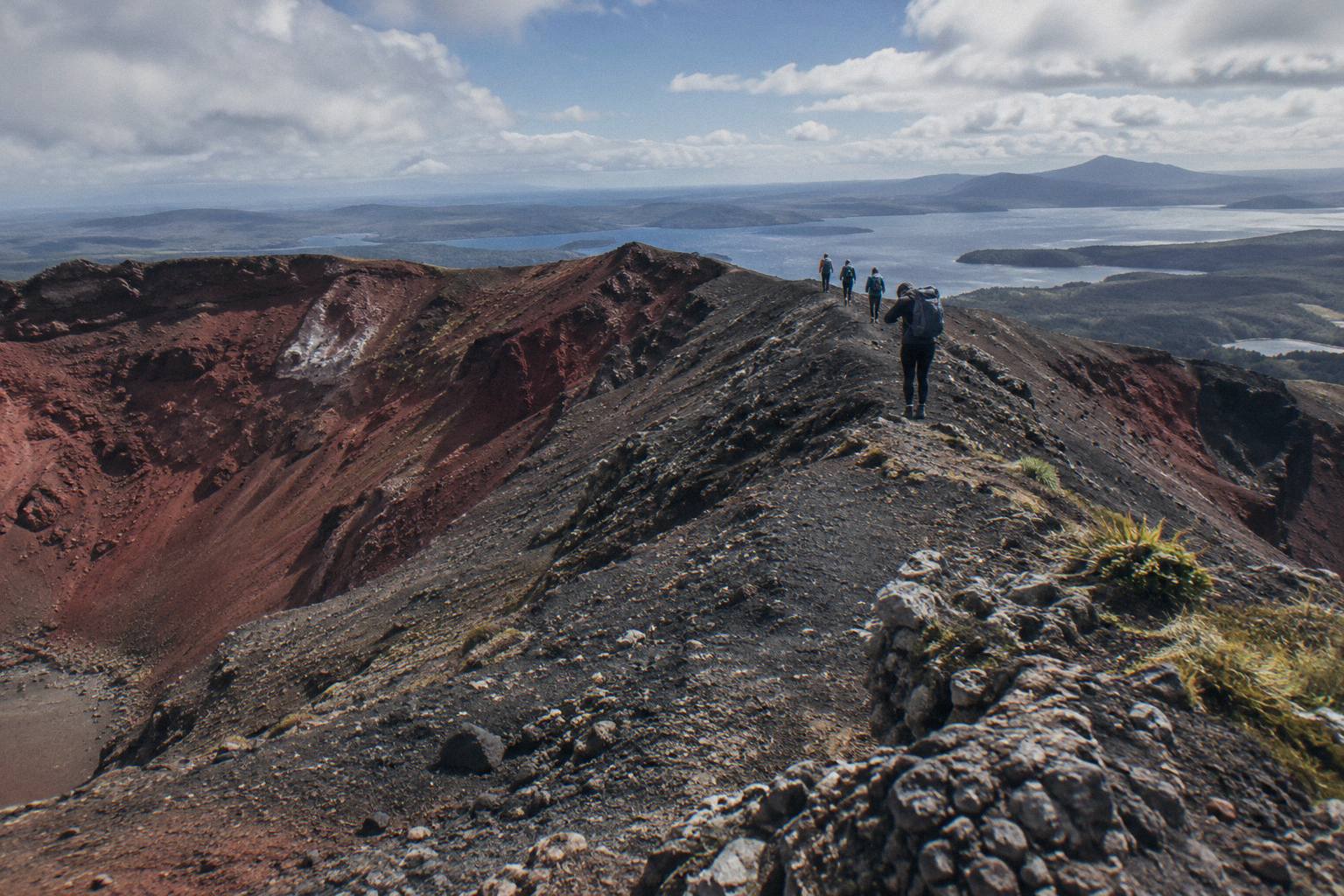
Time on the mountain is also not purely walking time. The Kaitiaki FAQ describes a base camp stop with a composting toilet where walking sticks are handed out, benches along the summit track, and ground that is volcanic scoria and can be slippery. None of that is dead time, but it is not distance either, and a group that pauses at every bench moves slower than one that does not. Plan around the stated duration as your fixed total; the walking time within it is what varies.
A useful habit is to write the day as blocks. One block is travel to the meeting point, one is the trip itself at its stated length, and one is the buffer afterwards for a late finish, a slower group, or a road leg that took longer than expected. Travellers who plan only the middle block are the ones who end up rushing the afternoon. Anyone curious about the step-by-step flow of the guided day can follow the walk broken down stage by stage.
What Each Tour Duration Actually Covers
Six trips cover Mt Tarawera, and their durations range from 30 minutes to 9 hours. The half-day walk is 4 hours 30 minutes, the operator's full-day hike about 6.5 hours, the Kaituna combo about 9 hours, the 40-minute and 1-hour helicopter flights, the 3-hour dual landing, and the 30-minute floatplane flyover that does not land on the mountain.
Each duration is a different shape of day, not a different speed of the same day. The 4.5-hour walk spends its hours on a vehicle and on foot. The helicopter flights spend almost all of theirs in the air, with a short guided walk on the summit. The dual landing splits its 3 hours between Mt Tarawera and Orakei Korako. The combo spends its 9 hours on two separately timed activities with a gap between them. Comparing formats on duration alone misses that difference.
| Trip | Operator | Stated duration | Format |
|---|---|---|---|
| Kaitiaki Half-Day 4WD And Crater Walk | Kaitiaki Adventures | 4 hours 30 minutes | 4WD up, guided summit and crater walk |
| Full Day Hike (operator page only) | Kaitiaki Adventures | about 6.5 hours | Adds Tarawera Dome, about 1.5 hours more walking |
| Kaituna Rafting And Tarawera Crater Walk Combo | Kaitiaki Adventures | about 9 hours | Whitewater rafting plus the crater walk, two activities |
| Volcanic Air 40-Minute Summit Landing Flight | Volcanic Air | 40 minutes | Helicopter, summit landing and guided walk |
| Volcanic Air 1-Hour Mountain Landing Flight | Volcanic Air | 1 hour | Helicopter, mountain landing and guided walk |
| Tarawera And Orakei Korako Dual Landing Flight | Volcanic Air | about 3 hours | Mt Tarawera landing plus Orakei Korako |
| Tarawera Scenic Floatplane Flyover | Volcanic Air | about 30 minutes | Flyover only, no landing |
Ratings and prices sit beside those durations, where they exist. The half-day walk is rated 4.9 across 359 reviews, and the booking page shows the amount for your date. The 40-minute landing flight is rated 4.9 across 43 reviews and starts from NZ$675 per person. The floatplane flyover is rated 4.8 across 48 reviews, flies over without landing, and starts from NZ$395 per person. The dual landing starts from NZ$1,490 per person. All amounts are New Zealand dollars, and free cancellation up to 24 hours applies on the booking page for all six trips with pages here.
Note what the table does not say. Two of the six print no rating at all, because the live pages carry none, and three print no amount because the booking pages show the figure only for a chosen date. A rating without its review count never appears here, and neither does any ranking between formats, because the formats serve different days rather than competing for one. The right question is not which is longest or shortest but which length matches the day you actually have in Rotorua.
If duration is your main filter, three formats deserve a side by side look: the guided walk that gives you the mountain on foot, the combo that pairs it with rafting, and the helicopter landing that gives you the shortest summit visit.
The Half-Day Walk: About 4.5 Hours Explained
The half day runs about 4 hours 30 minutes from the meeting point back to it, and the booking pages describe a 90-minute guided crater walk, a local guide, 4x4 transport up the mountain, and free pickup from central Rotorua accommodation. Kaitiaki states a minimum age of 7 and says moderate fitness is needed.
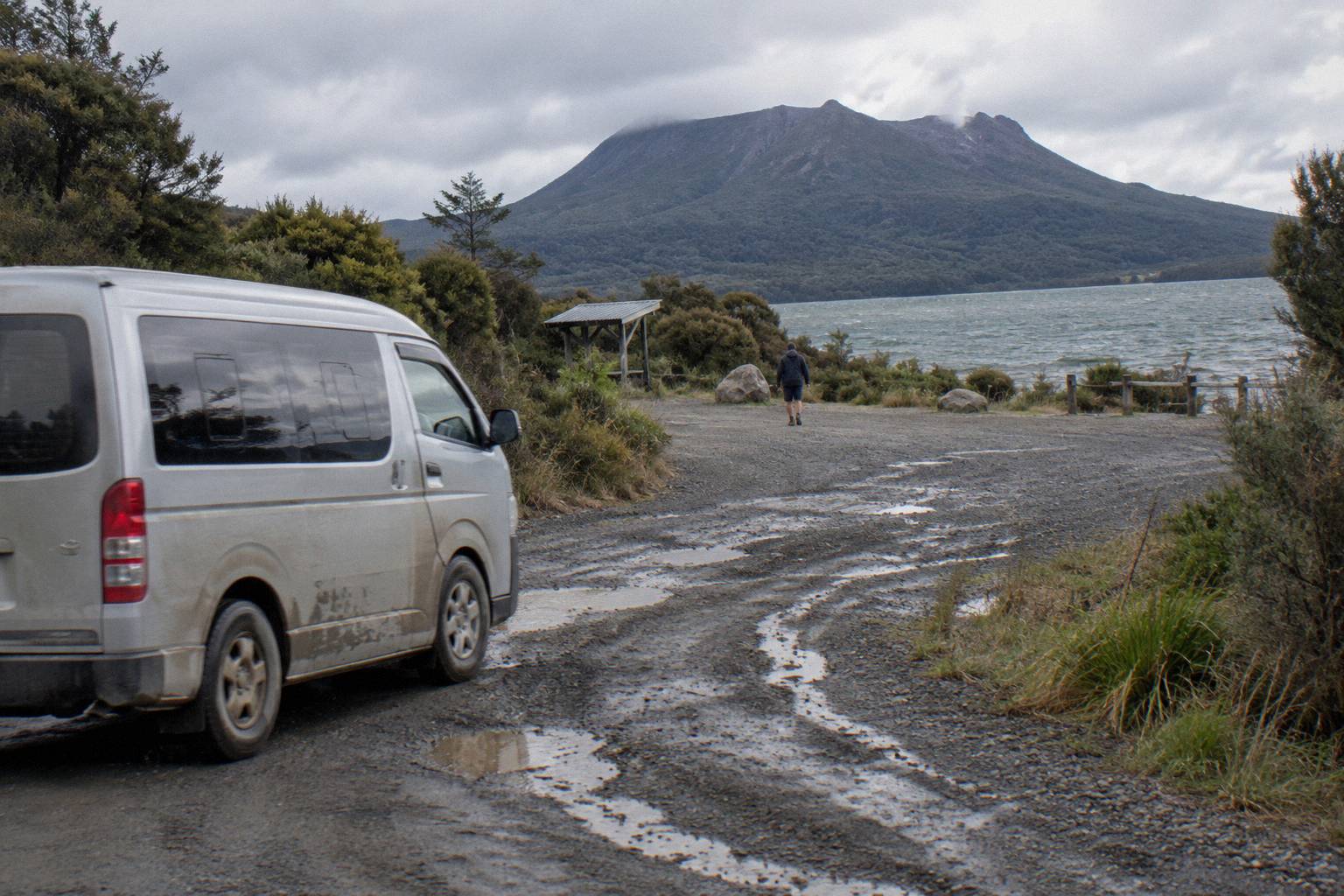
The shape of those 4.5 hours comes from the operator's FAQ. The meeting point is the Main Carpark on Hemo Road, Whakarewarewa, and from there it is about 30 minutes' drive to the base of the Mt Tarawera 4WD track, then roughly 8.2 km of bumpy off-road in a 4WD vehicle. There is a base camp stop with a composting toilet where walking sticks are given out, and the road ends where the walk, the hikoi, starts. Those legs are described separately and are never summed into one figure, partly because road conditions and group pace change the split every day.
The walking portion is the part people remember, and the operator describes it plainly. There are benches along the way, and at the second bench the guide shows the summit trail. The summit track needs medium to moderate fitness. Two sections of about 50 m each need four points of contact, and the scree is described in the FAQ as a 45 degree slope approximately 400 m deep, which is the operator's own wording rather than an official survey figure. Guests who prefer can take lighter walking options instead of the summit, which shortens the effort without shortening the trip envelope.
Timing the day around the trip is straightforward. Block the full 4.5 hours plus travel to Hemo Road, treat pickup from central Rotorua accommodation as something to confirm when you book rather than a promise with a time attached, and bring your own water and snacks because Kaitiaki says it provides none. Confirm the departure time for your date at booking. For more on getting there, see the guide to meeting points and pickup options.
The half day suits most itineraries precisely because of its shape. It is long enough to include the 4x4 approach, the base camp stop, the summit and the crater rim, and short enough that lunch in Rotorua afterwards is realistic. Families with children aged 7 and over can book it, travellers with back problems, heart problems or serious medical conditions are listed as not suitable, and the trip is not wheelchair accessible. The trade against the longer option is worked through in half day or full day.
The full picture of the half day, including what the 4x4 leg feels like, is in the guided crater walk tour page, and check availability shows live dates and the amount for your travel window.
The 90-Minute Crater Walk Inside The Day
The booking pages describe a 90-minute guided crater walk as the on-foot portion of the half-day trip, and the same 90-minute wording appears in the 9-hour Kaituna combo. The operator page separately describes a summit of Ruawahia with 360 degree views and an optional run down into the crater.
Ninety minutes is the guided walking figure, not the total time on the mountain surface. Around it sits the base camp stop, the benches, the briefing, photo time, and the scree, which the FAQ calls slippery volcanic scoria. A group that runs down into the crater, an optional move Kaitiaki mentions on its tours page, spends longer on the descent than one that turns back at the rim. Weather changes the arithmetic again, since a windy summit day moves everyone more carefully.
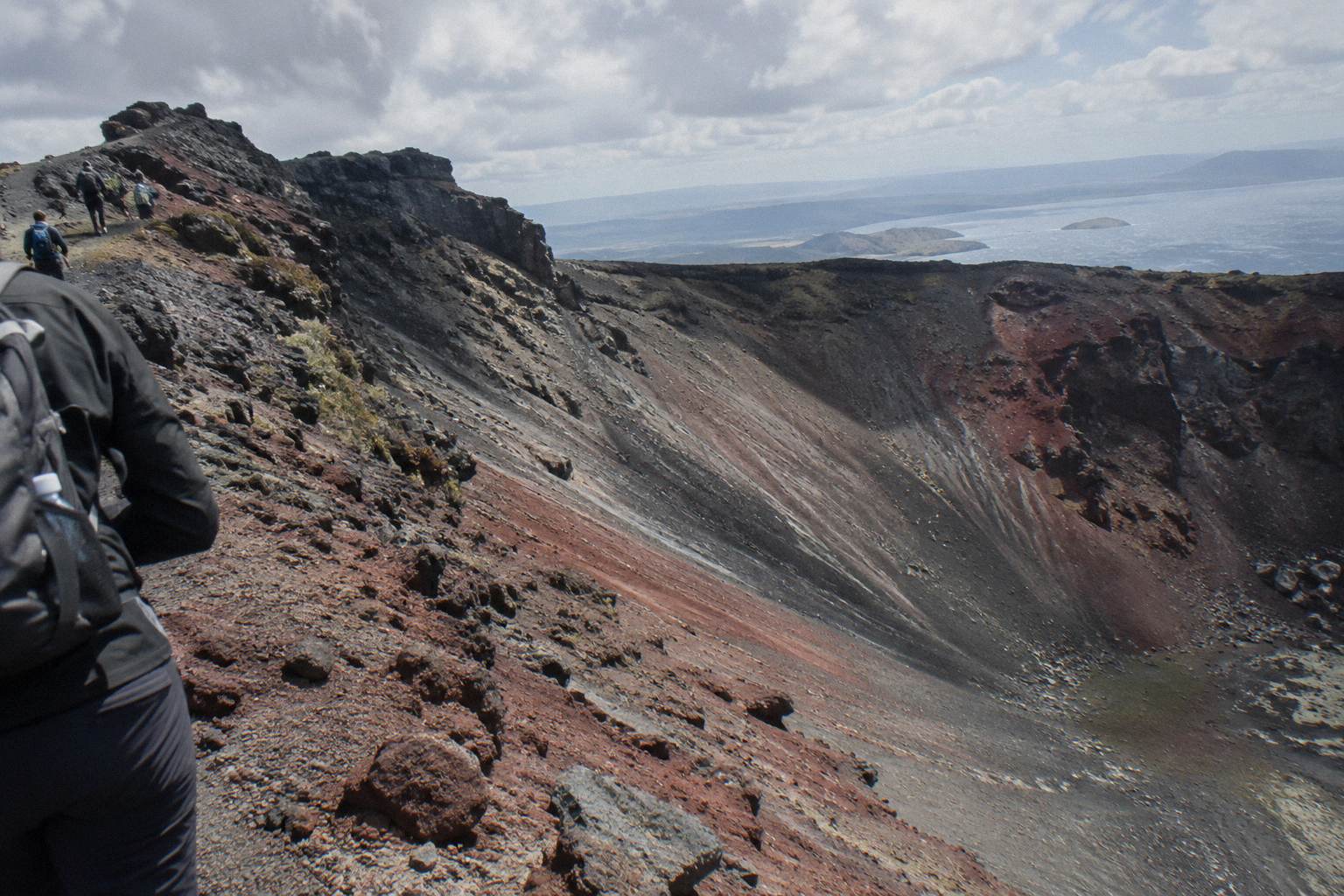
The 90 minutes are also not a paced itinerary. The guide reads the group, and lighter walkers can take options that avoid the summit track entirely. That flexibility is one reason a stated duration stays stated rather than guaranteed to the minute, and it is why the half-day envelope is a half day rather than a stopwatch. Fitness questions are covered in detail in the difficulty and fitness guide, and the scree descent has its own page on running into the crater.
Comparing the two 90-minute appearances is instructive. Inside the 4.5-hour half day, the crater walk is the heart of the trip and most of the on-foot time. Inside the 9-hour combo, the identical 90-minute walk is one of two headline activities, sitting beside about 1.5 hours of rafting with roughly 1 hour on the water. Same walking product, two very different day shapes, which is why the surrounding duration matters as much as the walk figure itself.
Helicopter Timing: 40 Minutes To 3 Hours
The 40-minute figure is the total excursion time, and within it the guided summit walk is short. The operator page says 15 minutes and the booking page says about 20 minutes, each attributed to its own source, so the on-foot portion is a brief guided stand on the summit rather than a hike. Volcanic Air's own wording is that tour duration, flight times and inclusions may vary due to weather conditions, volcanic activity and passenger loadings, and that excursion landings are at your own risk and at your pilot's sole discretion. A landing is never guaranteed, and neither is a view. Other pages covering the same trip are gathered on Mt Tarawera Volcano Hike.
The 1-hour Mountain Landing Flight follows the same logic with a longer air time, about 20 minutes on the mountain per the booking page, and the same minimum of 2 adult fares. Its price and rating are on the booking page rather than quoted here. For travellers weighing a flight against time on foot, the format comparison in 4WD or helicopter for Mt Tarawera lays the stated facts side by side.
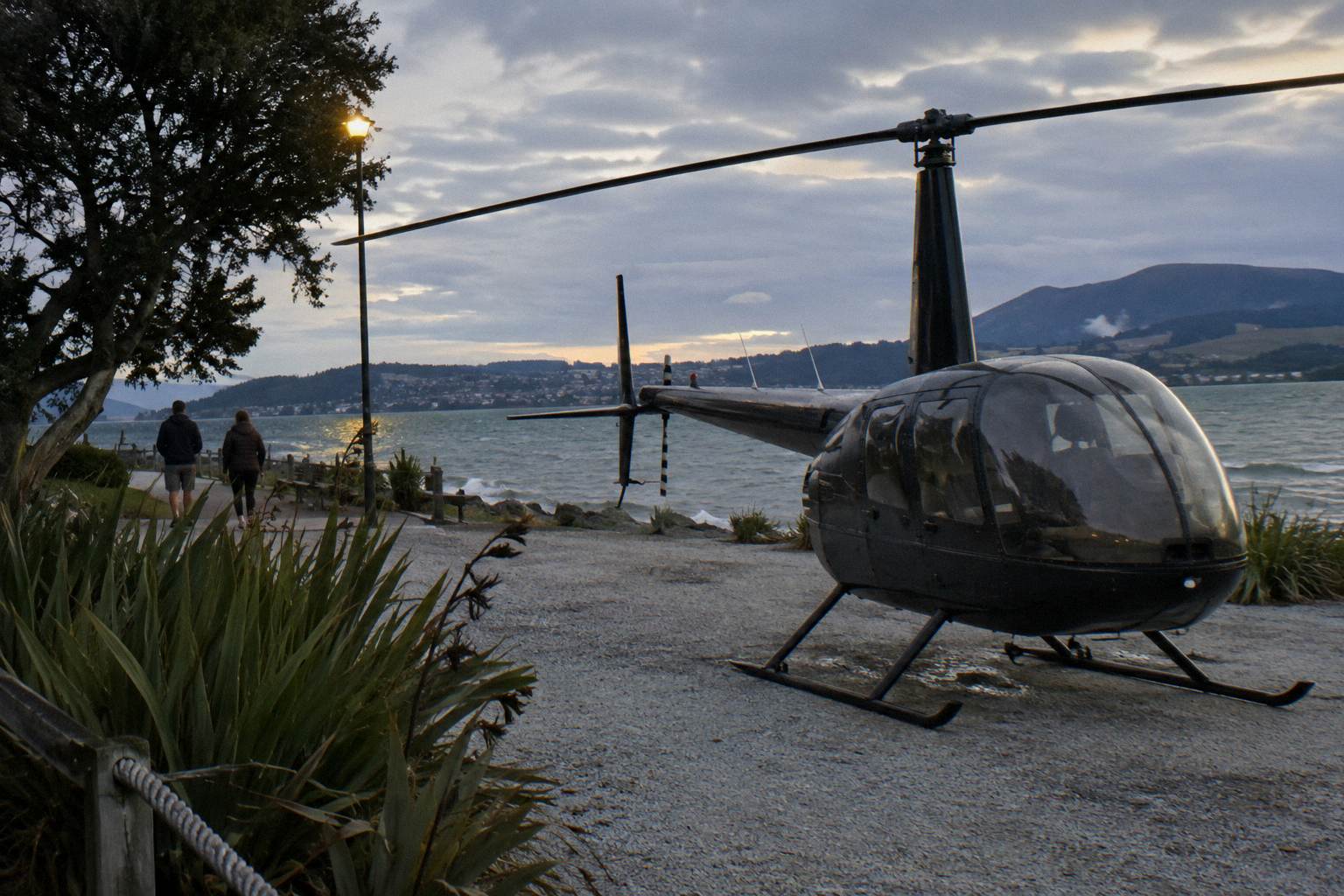
The dual landing flight stretches to about 3 hours because it adds a second destination. It includes a helicopter flight, a landing and guided walk on Mt Tarawera, a ferry transfer to Orakei Korako and a 1-hour self-guided visit there, with admission included, starting from NZ$1,490 per person. That is roughly a half-day commitment with two stops, and the same pilot-discretion wording applies to the mountain landing.
The floatplane is the shortest of all: about 30 minutes, from NZ$395 per person, rated 4.8 across 48 reviews. It is a flyover and does not land on the mountain, which always deserves saying in the same breath, because travellers sometimes assume a scenic flight includes a summit stop. If the goal is maximum mountain in minimum minutes, the flyover is the floor.
Helicopter timing also carries practical rules that land-based trips do not. Infants sit on laps, the flights are not wheelchair accessible, and weights matter: the 40-minute flight's booking page shows 135 kg per seat with passengers over 110 kg possibly given specific seating once individual weights are taken, the 1-hour flight shows 110 kg total per passenger, and the dual landing 130 kg total per passenger. Age rules are not published, so ask Volcanic Air when booking. These details rarely change a duration, but they can change whether a booking stands at all.
The Full Day Hike And The 9-Hour Combo
Kaitiaki's own site lists a Full Day Hike of about 6.5 hours for ages 7 and over, adding Tarawera Dome and about 1.5 hours more walking than the half day. The Kaituna combo runs about 9 hours as two separately timed activities for ages 13 and over. Neither has an amount quoted here.
The full day has no tour page in these parts, and the reference is to Kaitiaki's own site rather than any booking link. What the operator page states is the 6.5-hour duration, the same age floor of 7, and the extra dome plus the extra walking. If the half day already fills your morning, the full day takes the rest of it, so the choice is really about how much of a Rotorua day you are willing to give one volcano.
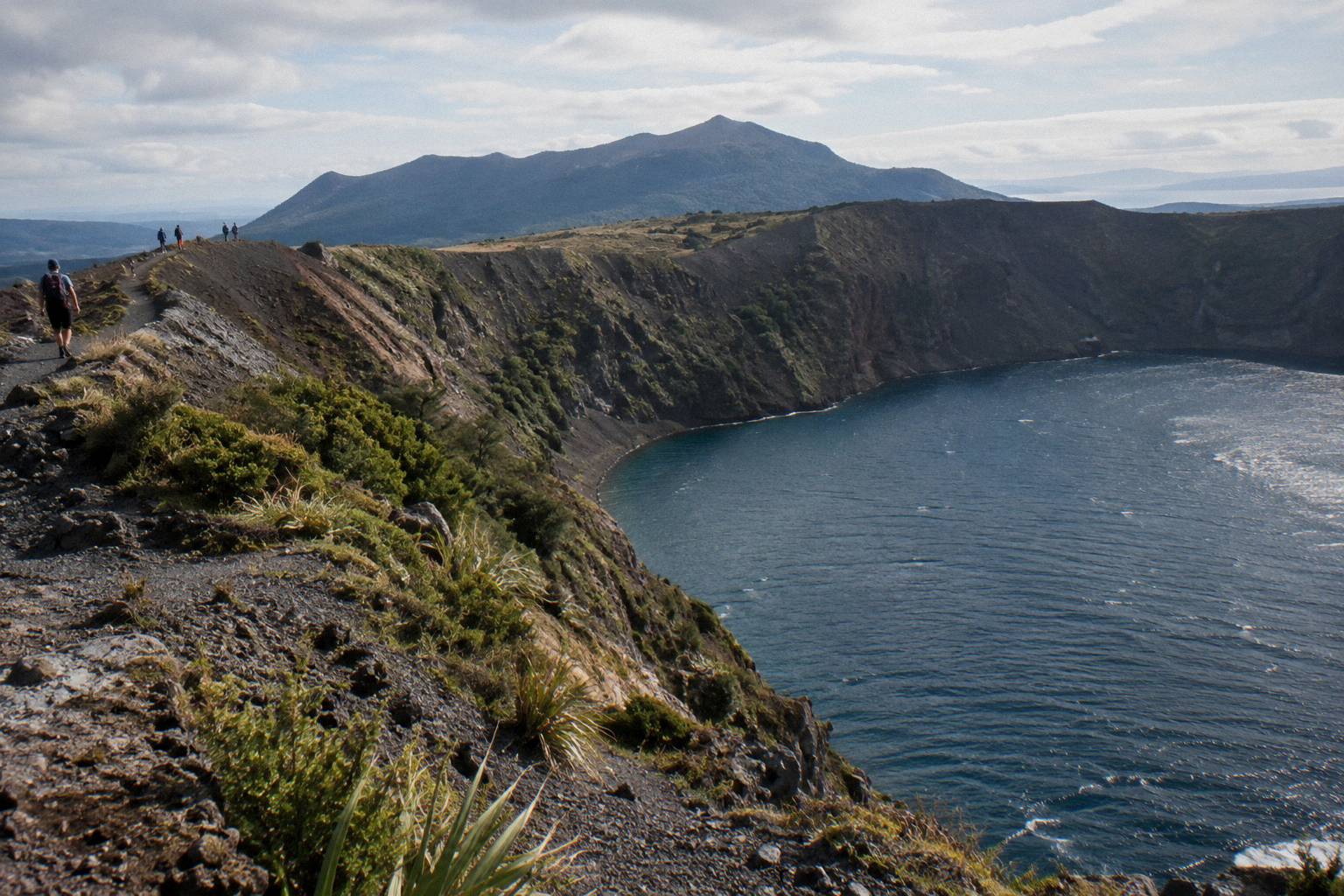
The combo is a different animal. Its booking page describes Kaituna River whitewater rafting of about 1.5 hours with about 1 hour on the water, river gear and safety equipment including life jackets, wetsuits, booties, splash jackets and fleeces, then the 4x4 transport up Mt Tarawera and the 90-minute guided crater walk with local guides. Complimentary transport from central Rotorua accommodation and the Rotorua Information Centre covers 22 pickup options, and you are returned after the first activity and collected again for the second. Minimum age is 13, low fitness is not suitable, and no rating or amount appears on the booking page.
The gap between the two activities is the detail people miss. Because you are returned to your accommodation after the first activity and collected again for the second, the combo day includes a natural break, enough for a shower or an early lunch if the schedule allows. That structure is why the 9 hours pass differently from a single 9-hour hike: two half-days joined by transport, rather than one unbroken effort. The full combo breakdown, including gear and pickup detail, is in the rafting and crater walk combo guide.
Which Months And Times Of Day Suit The Timing
Rotorua town's mean daily maximum runs from 12.0 °C in July to 23.1 °C in February, July is the wettest month at 137.4 mm and November the driest at 86.8 mm, and the town sees about 118.6 rainy days a year. The summit at 1,111 m is colder and windier than those town figures.
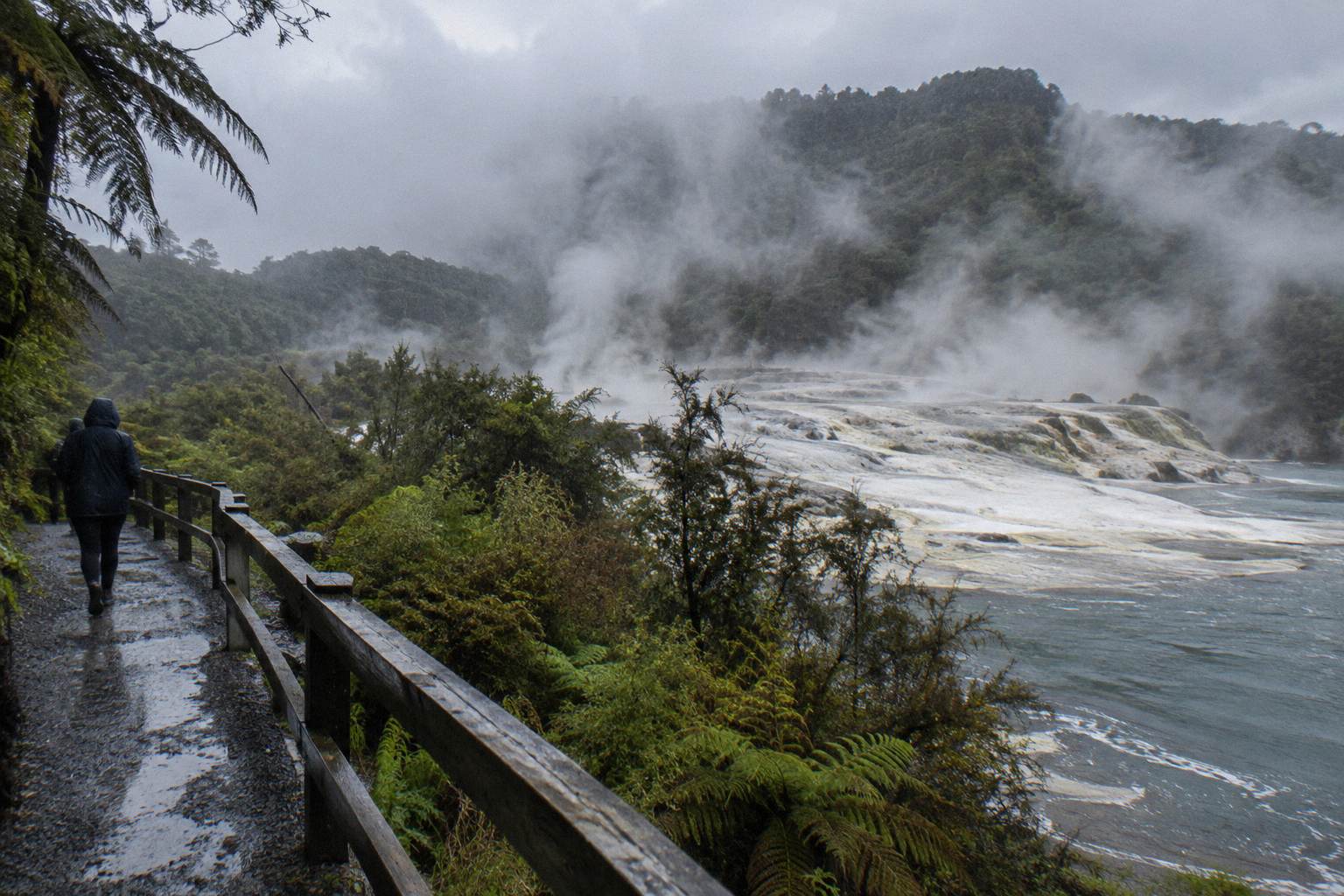
Those numbers are 1991 to 2020 climate normals for Rotorua township at about 280 m elevation, so they describe the town you start in, not the mountain you stand on. They still shape timing. A February departure with a 23.1 °C mean maximum behaves differently from a July one at 12.0 °C, and a month with 137.4 mm of rain makes the scoria slicker and the off-road leg slower. Duration does not change, but how those hours feel does.
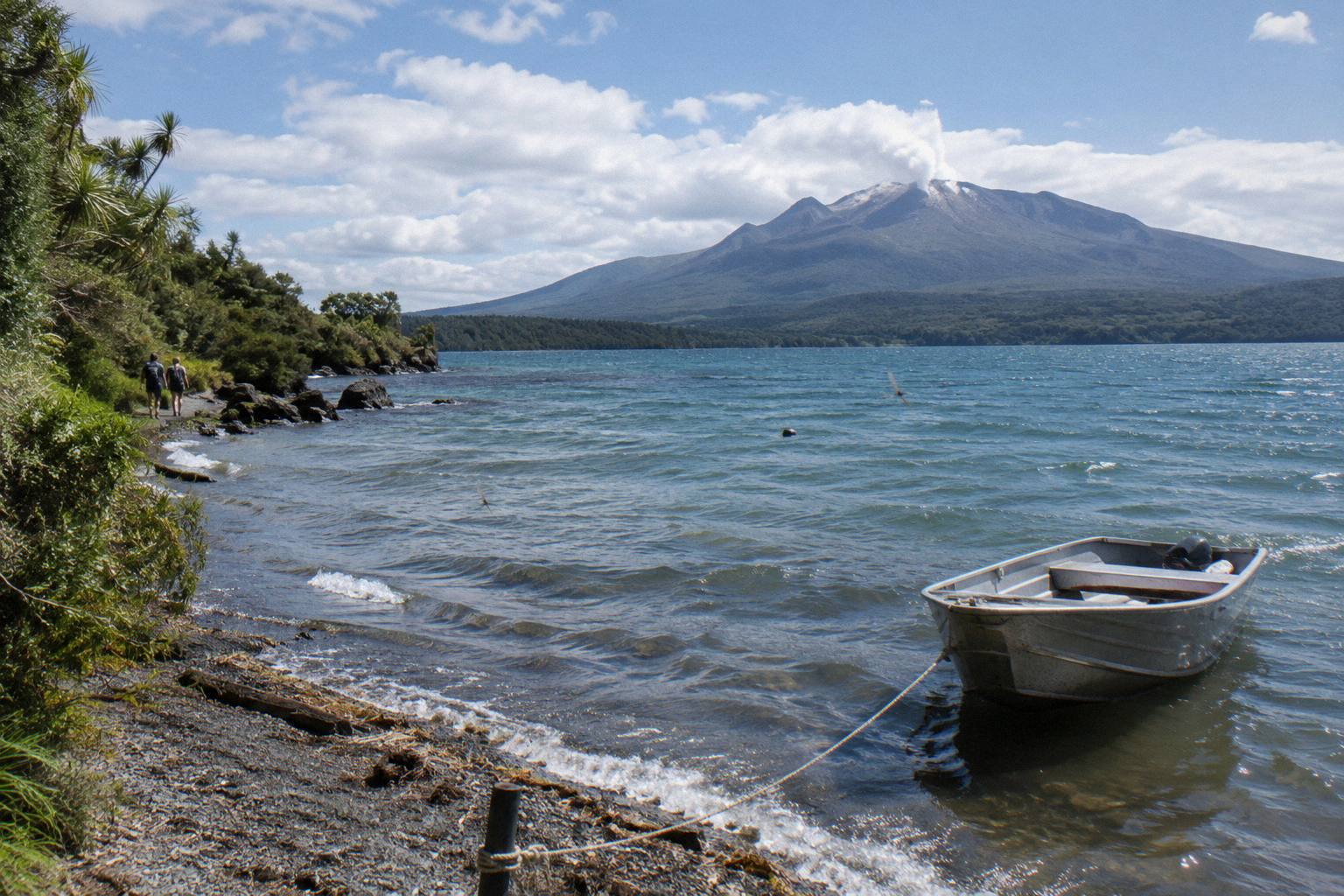
Because departure times are not published in advance, tie the timing question to daylight rather than to a clock. A 4.5-hour trip that starts late in a short July day finishes in early dusk, while the same trip in November has evening light to spare. The month-by-month tradeoffs, including what rain means for landings and walks, are worked through in which months suit a crater walk and the page on weather for the walk and landing.
| Month | Mean daily max | Mean rainfall | Timing note for the town figures |
|---|---|---|---|
| February | 23.1 °C | 100.4 mm | Warmest month; sun protection adds stops |
| July | 12.0 °C | 137.4 mm | Coldest and wettest; allow slack in the day |
| November | 18.6 °C | 86.8 mm | Driest month; longest comfortable daylight window |
Common Timing Mistakes
The recurring mistakes are adding the 30-minute drive, the 8.2 km off-road leg and the 90-minute walk into one invented total, assuming a helicopter landing is guaranteed inside its 40-minute window, booking the floatplane expecting a summit stop, and giving the 9-hour combo a half-day slot. Each error comes from treating a stated duration as a promise rather than an envelope.
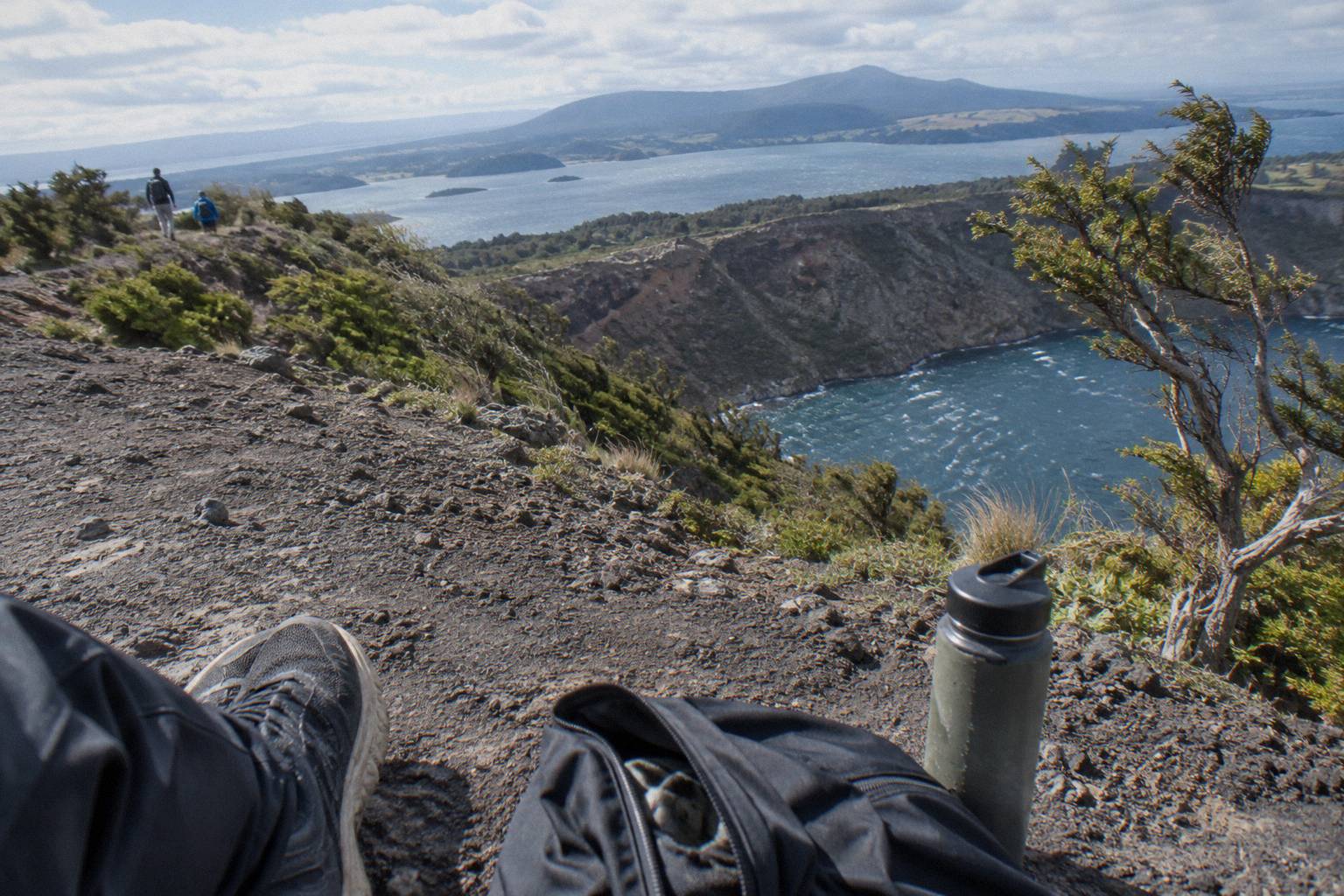
The first mistake is arithmetic. The drive, the off-road distance and the walking time are three separately stated figures, and no official source combines them, so any total you build yourself is a guess dressed as a fact. The second is trusting the 40-minute flight to include a landing. Volcanic Air's own wording puts landings at the pilot's sole discretion depending on weather, volcanic activity and passenger loadings, so the duration is firm while the landing inside it is not. The third is assuming the floatplane stops on the summit. It is a flyover and always described that way here. The fourth is under-blocking the combo: about 9 hours with two activities and a return-to-accommodation gap between them is a full day, not an afternoon.
| Mistake | What goes wrong | The fix |
|---|---|---|
| Summing drive, 4WD leg and walk | An invented total no operator states | Use the stated 4.5-hour envelope |
| Expecting a guaranteed landing | Weather can scrub it at pilot discretion | Treat the flight as the certain part |
| Booking the flyover for a summit stop | The floatplane does not land | Choose a landing flight instead |
| Half-day slot for the combo | About 9 hours, two activities | Block the whole day |
| Forgetting snacks and water | Kaitiaki provides none | Pack both for the walk |
There is also the preparation mistake, which costs time rather than misreading it. Sturdy shoes, comfortable clothing for the weather, a water bottle and snacks are what the FAQ asks for, and sturdy trainers count as sturdy enough. Motion sickness matters on the 8.2 km off-road stretch, and the FAQ says to tell the guide. The full kit list is in what to wear and bring. Whether the whole experience justifies its hours is a fair question too, and one traveller's reasoning is laid out in is the crater walk worth it.
A final mistake deserves its own line: booking the first departure you see without checking what the day after looks like. Weather drives both the off-road leg and every landing decision, and a free-cancellation window of 24 hours means a scrubbed or marginal day costs you a rebooking rather than your money. Building one spare morning into a Rotorua stay is the cheapest timing insurance available, and it turns a weather call from a disappointment into a shuffle.
Whatever duration you settle on, the same three formats do the real comparison work: the guided 4.5-hour walk, the 9-hour rafting combo, and the 40-minute helicopter landing.
Common Questions About Mt Tarawera Walk Timing
How Long Does The Mt Tarawera Crater Walk Take?
The guided half-day trip runs about 4 hours 30 minutes, with a 90-minute guided crater walk inside it per the booking-page wording. The operator's full-day hike runs about 6.5 hours, and the Kaituna combo about 9 hours.
How Long Is The Actual Walk On The Mountain?
The booking pages describe about 90 minutes of guided crater walking. Around it sit the 4x4 ride, a base camp stop with a composting toilet, benches, and optional lighter walking routes instead of the summit.
How Long Does The Helicopter Landing Take?
The Volcanic Air summit landing flight runs 40 minutes total, the 1-hour Mountain Landing Flight runs an hour, and the dual landing about 3 hours. The summit walk on the 40-minute flight is 15 minutes per the operator page and about 20 minutes per the booking page.
Can I Do Mt Tarawera And Something Else The Same Day?
The half day leaves room for an afternoon activity, and the Buried Village of Te Wairoa, open 10am to 4pm Wednesday to Sunday with last entry at 3.45pm, is on the same road. The 9-hour combo already fills a full day by itself.
Is The Duration Guaranteed?
Durations are stated figures, not promises. Volcanic Air says tour duration, flight times and inclusions may vary with weather, volcanic activity and passenger loadings, and walking pace varies with the group.