Mt Tarawera Crater Walk Difficulty: How Fit Do You Need To Be
Kaitiaki Adventures describes its summit track as needing a medium to moderate fitness level, with lighter walking options for guests who skip the summit. Here is exactly what the operators say, product by product.
Short answer
Kaitiaki Adventures says medium to moderate fitness is needed for the summit track, and guests may take lighter walking options instead. The half-day crater trip suits ages 7 and over, the Kaituna combo ages 13 and over. Helicopter landing flights involve a short guided walk rather than a hike, from NZ$675 per person.
The summit of Mt Tarawera sits at 1,111 m, and the only way to stand on it with a guide is on foot or by helicopter. Kaitiaki Adventures, the operator that runs the guided crater walks, states plainly in its own FAQ that a medium to moderate fitness level is needed for the summit track, and that guests may take lighter walking options instead of the summit. That single sentence answers most of the difficulty question, but the details matter: the ground is volcanic scoria that can be slippery, two short sections ask for four points of contact, and the famous scree run is a 45 degree slope approximately 400 m deep in Kaitiaki's own words. All tour amounts on the page are New Zealand dollars.
Fitness doubt is the main reason people hesitate before booking a Tarawera trip, and the operators publish more usable detail than most. The page lays out what Kaitiaki and Volcanic Air each say about difficulty for every format they sell, who each trip is listed as not suitable for, and what the terrain actually feels like underfoot, without adding a verdict the operators never give. Where the operators publish no figure, the page says so once and suggests asking when you book.
How Difficult Is The Mt Tarawera Crater Walk?
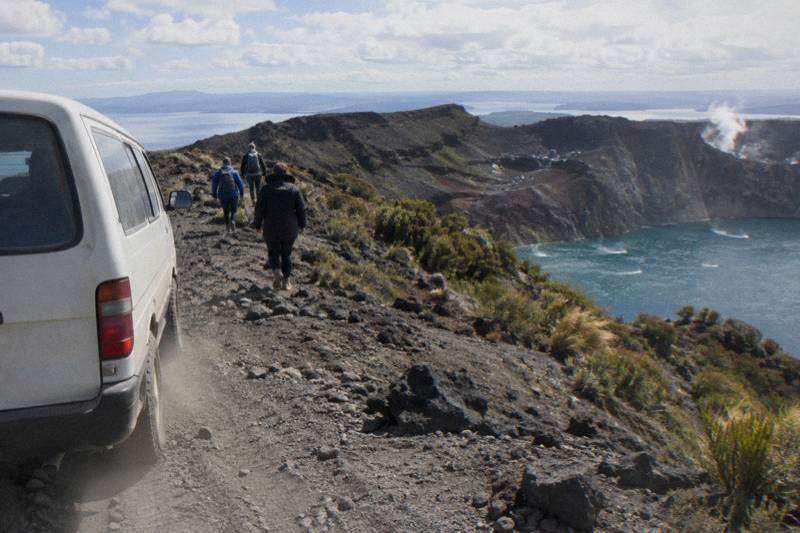
Kaitiaki Adventures rates its summit track as needing medium to moderate fitness, which places it above a flat lakeside stroll and below a full alpine crossing day. The ground is loose volcanic scoria, two sections of roughly 50 m ask for four points of contact, and the descent option is a scree run the operator describes as a 45 degree slope approximately 400 m deep. Guests who want less can take lighter walking options instead of the summit.
The framing matters. Kaitiaki never calls its trip easy or hard; the operator's word is moderate, and the booking page for the half-day product lists low fitness alongside back problems, heart problems and other serious medical conditions as not suitable. So the practical benchmark is whether a person can walk uphill on loose ground for a sustained stretch, rest when needed, and keep balance on a slope where hands help. Benches sit along the route, and at the second bench the guide shows guests the summit trail, which gives a natural decision point for anyone weighing the lighter options.
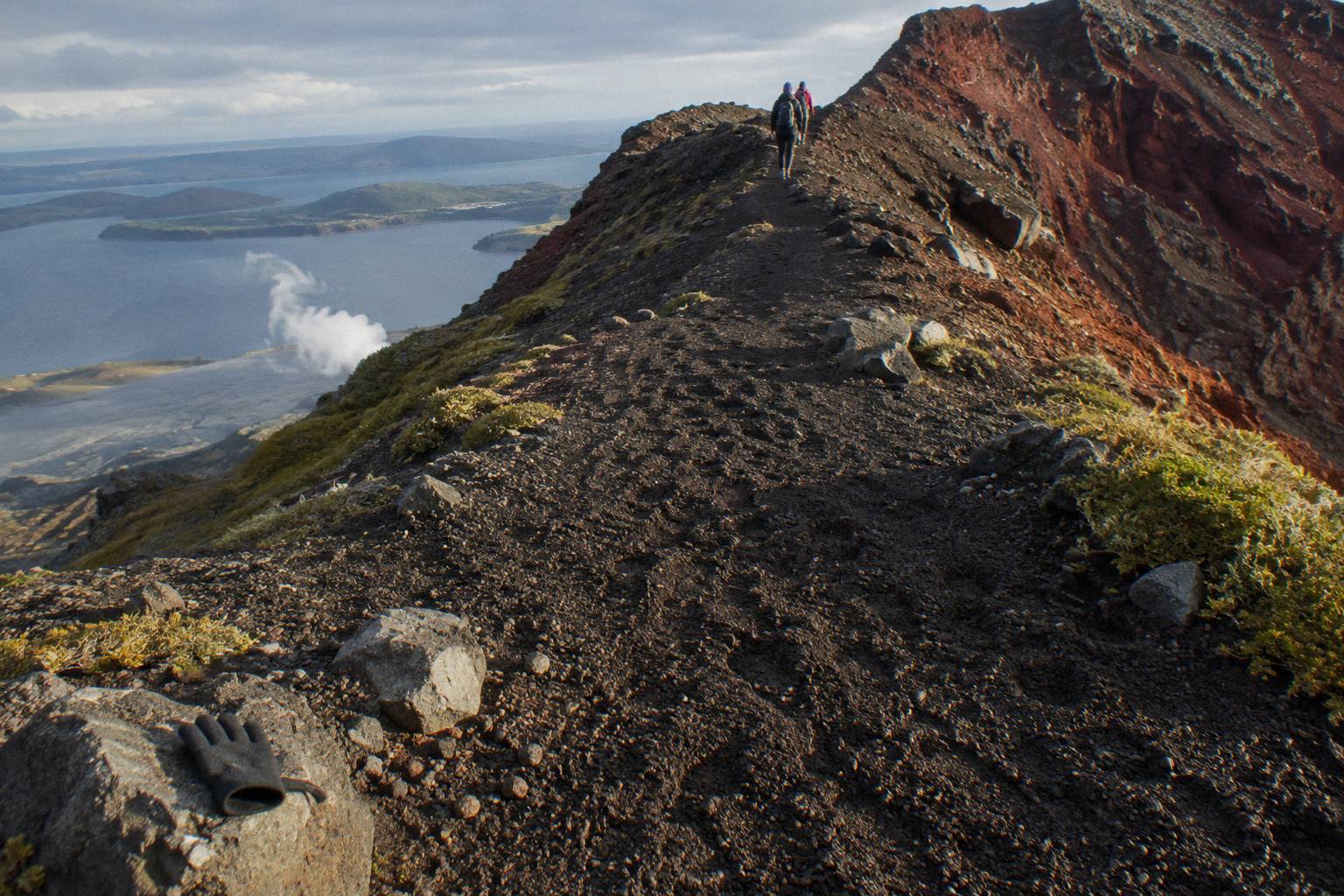
What the trip is not: it is not a scramble, there is no roped section, and no climbing technique is involved. The four points of contact sections are short, about 50 m each, where the operator expects walkers to use hands as well as feet on steeper, looser ground. Walking sticks are handed out at the base camp stop, which also has a composting toilet, the last one before the walking starts in earnest. Sturdy trainers are fine for footwear; boots are welcome but not demanded.
What Fitness Level Does Kaitiaki Ask For?
The operator's stated benchmark is medium to moderate fitness for the summit track, with lighter walking options available instead of the summit for guests who prefer them. The booking page lists low fitness as not suitable, along with back problems, heart problems and serious medical conditions, and the trip is not wheelchair accessible. Ages 7 and over can join the half-day product.
Reading the two statements together gives a clear picture. Moderate fitness, in the operator's usage, means a person comfortable with sustained uphill walking on uneven ground, not a trained athlete. The not suitable list works the other way: it filters out conditions where loose ground, altitude gain and sustained effort carry real risk. Anyone unsure where they fall between low fitness and moderate fitness should raise it with the operator before booking, because the operator, not a review, decides who travels.
The lighter options deserve more attention than they get. A guest who skips the summit still gets the 4x4 ride up the mountain road, the crater rim landscape, the base camp stop and the guided commentary; they simply do not attempt the summit track. That makes the half-day product viable for mixed groups where one member doubts their legs, rather than forcing the whole party to a different activity. Families weighing age limits as well as fitness will find more in the guided hike with kids and age limits overview.
The half-day trip, the Kaitiaki Half-Day 4WD And Crater Walk, runs about 4 hours 30 minutes door to door from the meeting point at the Main Carpark on Hemo Road, and it carries a 4.9 rating across 359 reviews. Check the booking page for the current price for your date. Free cancellation applies up to 24 hours before. Ask about departure times and group sizes when you book.
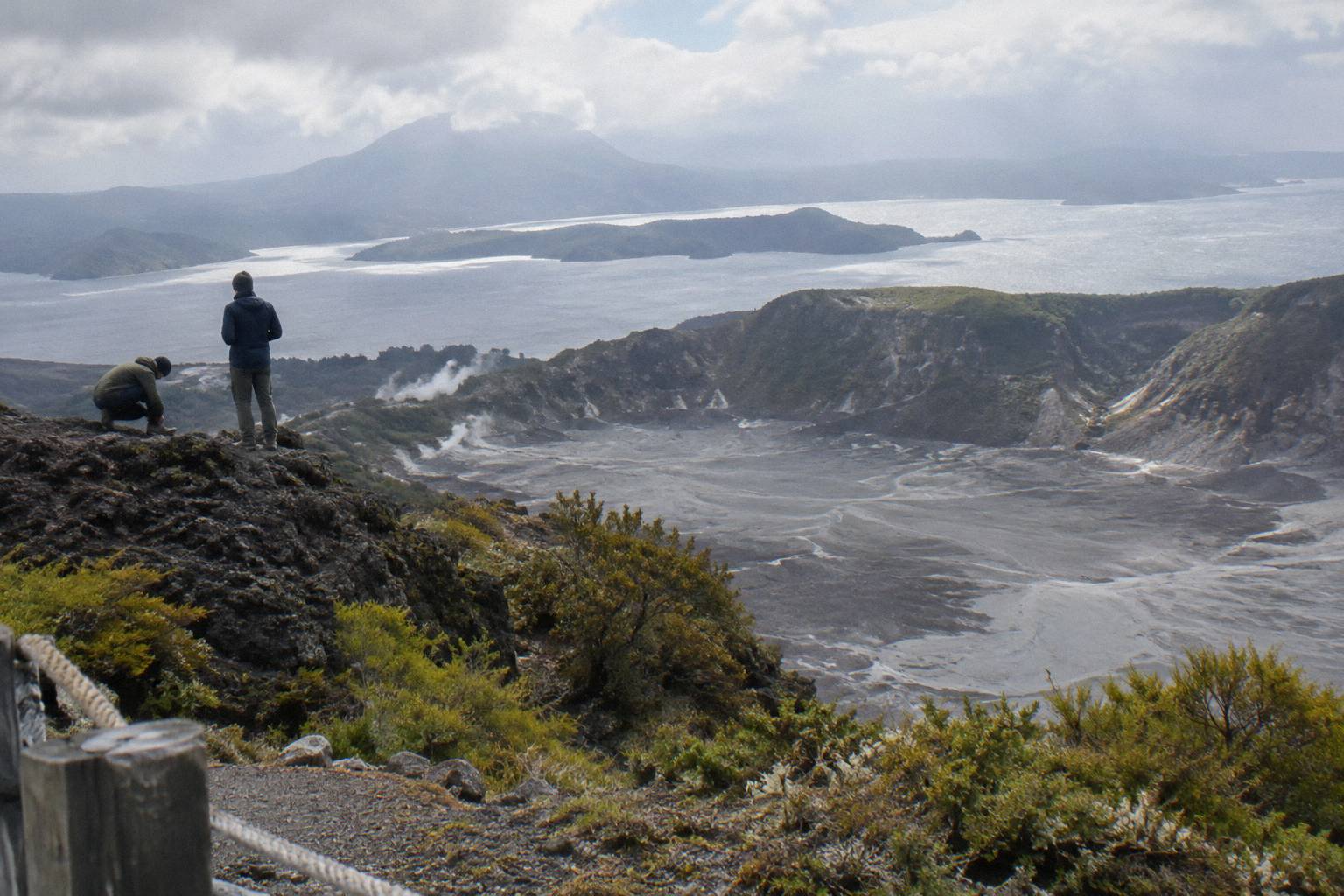
What The Operators Say About Difficulty, Product By Product
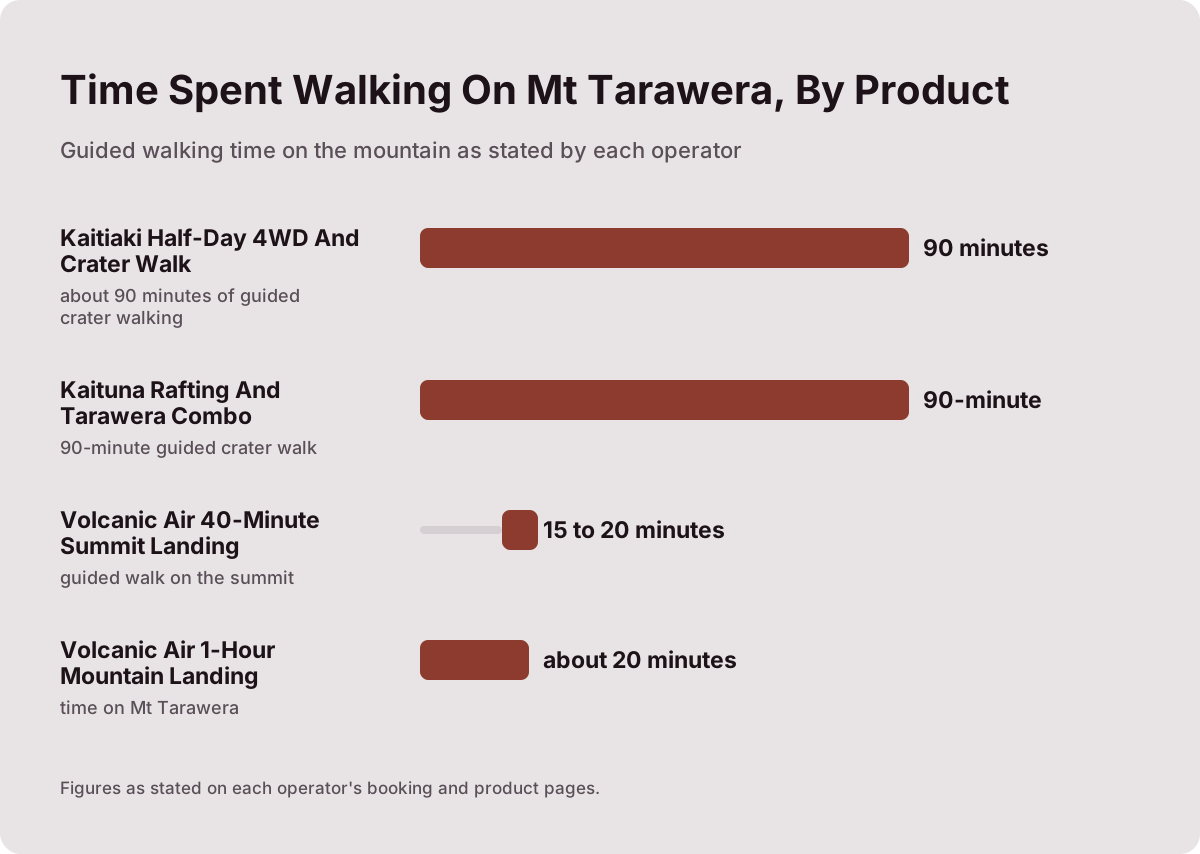
Each Tarawera product carries its own stated fitness and age signals: the half-day walk asks moderate fitness for ages 7 and over, the Kaituna combo asks moderate fitness for ages 13 and over, and the helicopter landing flights replace the hike with a short guided walk of roughly 15 to 20 minutes. The table below reproduces what each booking page and operator page actually says, with no verdicts added.
The value of comparing formats on stated facts is that it removes guesswork. A family with a keen 8 year old and an unfit adult has one obvious path; a pair of fit adults with a bigger budget has another; a group that wants a full day on water and mountain has a third. Kaitiaki Adventures runs the walking products and Volcanic Air runs the flights, and Kaitiaki describes Volcanic Air as its partner, both working as concessionaires alongside Ngati Rangitihi.
| Product | Operator's fitness wording | Age rule | Physical shape of the day |
|---|---|---|---|
| Kaitiaki Half-Day 4WD And Crater Walk | medium to moderate fitness for the summit track; lighter options available; low fitness not suitable | 7 and over | 4x4 ride up, about 90 minutes of guided crater walking, optional crater scree run |
| Kaituna Rafting And Tarawera Crater Walk Combo | moderate fitness needed; low fitness not suitable | 13 and over | about 1.5 hours rafting plus a 90-minute guided crater walk, about 9 hours in all |
| Volcanic Air 40-Minute Summit Landing Flight | no fitness level stated; landing and guided walk on the summit | ask Volcanic Air about age | 40-minute flight with a guided walk the operator page calls 15 minutes and the booking page about 20 minutes |
| Volcanic Air 1-Hour Mountain Landing Flight | no fitness level stated | ask Volcanic Air about age | 1-hour flight with about 20 minutes on Mt Tarawera |
| Tarawera And Orakei Korako Dual Landing Flight | not suitable for pregnant travellers, people with mobility impairments or people afraid of heights | ask Volcanic Air about age | 3 hours: Tarawera landing and walk, then Orakei Korako with a 1-hour self-guided visit |
| Tarawera Scenic Floatplane Flyover | no fitness wording; flyover only, no landing | ask Volcanic Air about age | 30-minute floatplane flyover with commentary, from NZ$395 per person |
Two lines in that table need emphasis. The floatplane flyover never lands on the mountain, and every Volcanic Air landing happens at the pilot's sole discretion depending on weather, volcanic activity and passenger loadings, in the operator's own wording. Difficulty on a landing flight is therefore mostly a seating and weight question, not a leg question: the 40-minute flight allows 135 kg per seat, with passengers over 110 kg possibly given specific seating and weighed individually at booking.
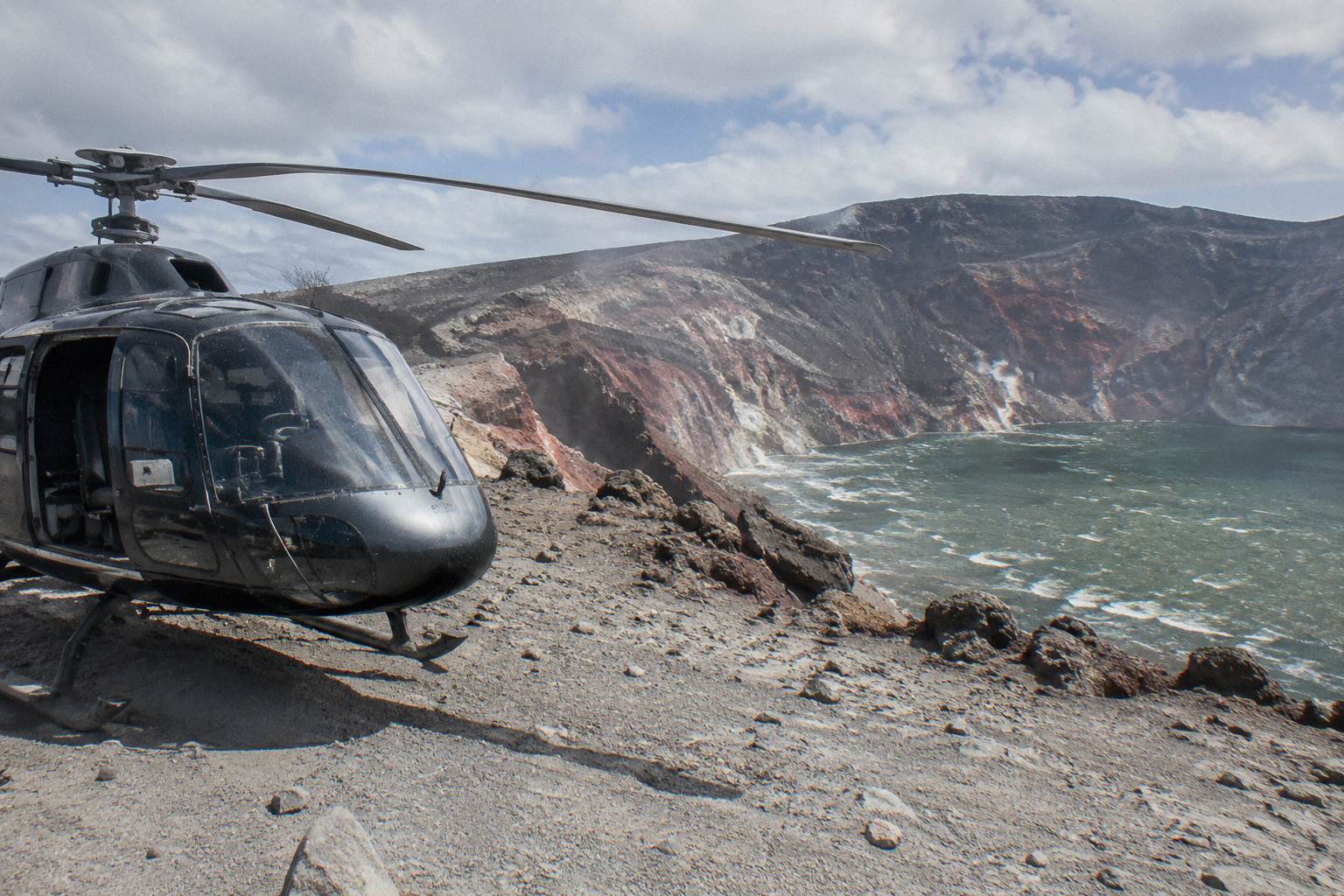
For readers comparing a walking day against a flying day, the difficulty gap is real and stated: about 90 minutes of guided crater walking on scoria versus a guided walk of roughly 15 to 20 minutes after a helicopter ride. The 40-minute Summit Landing Flight costs from NZ$675 per person and rates 4.9 across 43 reviews; the longer 1-hour Mountain Landing Flight publishes no amount, and the booking page shows the price for your date. Both need a minimum of two adult fares to operate, and infants sit on laps.
The nine-hour Kaituna combo is the most physically demanding item on the page, not because either half is extreme but because the day is long: whitewater rafting gear, about an hour on the water, then a 90-minute crater walk in the afternoon. Minimum age 13 and moderate fitness frame it for teenagers and adults. River gear is supplied, life jackets, wetsuits, booties, splash jackets and fleeces included, and complimentary transport from central Rotorua covers both activities with 22 pickup options.
The Scree, The Scoria And The Four Points Of Contact Sections
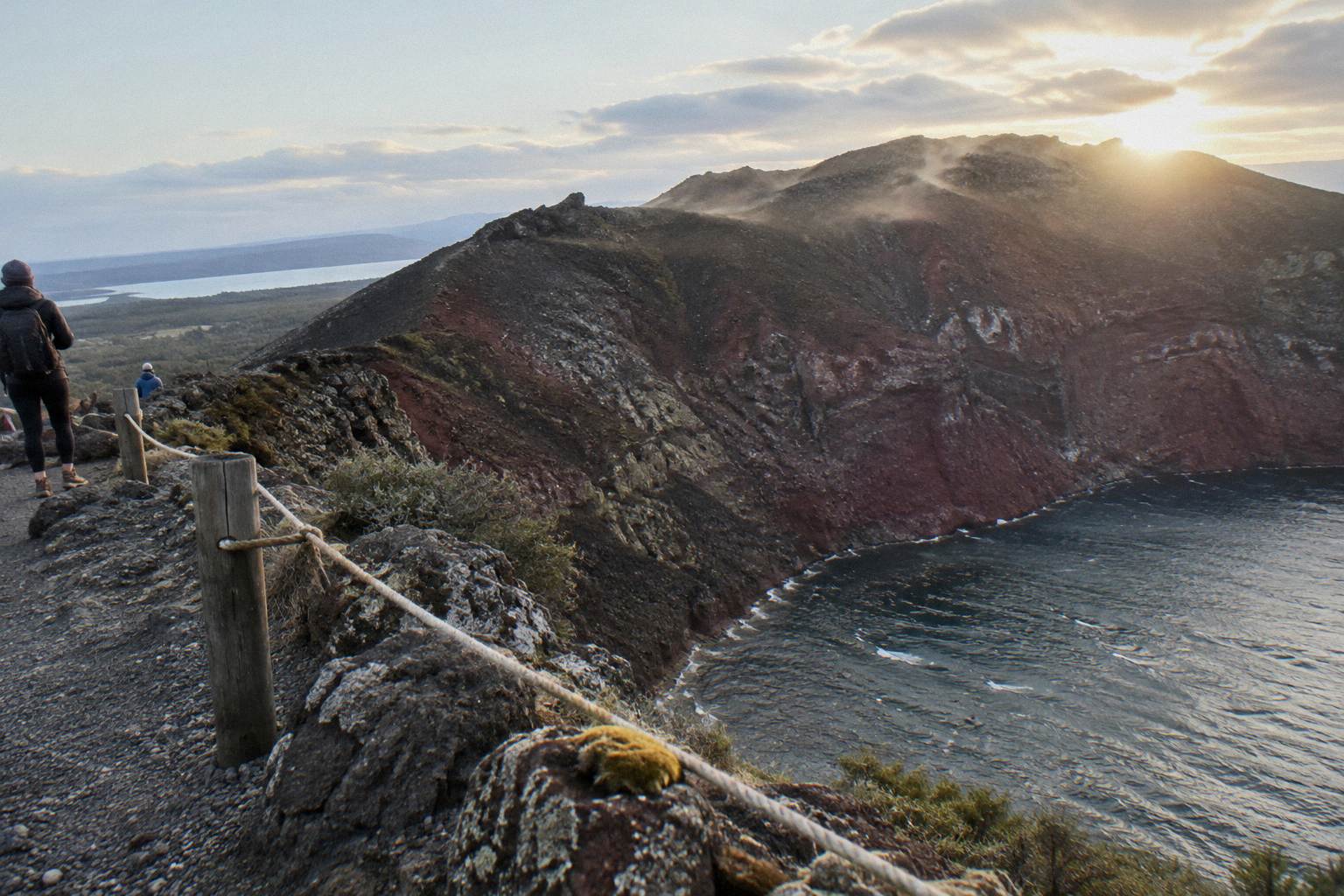
Three terrain details do the real difficulty work on Tarawera: the ground is volcanic scoria that can be slippery, two sections of about 50 m each ask for four points of contact, and the optional descent into the crater is a scree run Kaitiaki describes as a 45 degree slope approximately 400 m deep. All three descriptions are the operator's own FAQ wording, quoted as such rather than measured independently.
Scoria behaves differently from soil or rock. It shifts underfoot on steeper angles, which is why the operator hands out walking sticks at base camp and why sturdy shoes earn their keep. The two four-point-of-contact sections are short but deserve respect on the way down as much as up, because loose ground plus tired legs is the classic combination for a slip. There is no shame in pausing at a bench; the route has them on purpose.
The scree run is the marquee feature and the biggest mental hurdle. Running down a deep slope of loose volcanic debris is fast, loud and unlike ordinary tramping, and it is optional, a point the operator makes clearly. Guests who descend into the crater this way climb back out with the group, so the run adds effort as well as thrill. Kaitiaki's half-day page describes a summit of Ruawahia with 360 degree views and the optional run down into the crater as part of the same experience.
Context helps too: the mountain is one of the dome volcanoes of the Okataina Volcanic Centre, and the crater landscape walkers cross was opened by the eruption on the night of 10 June 1886, New Zealand's largest eruption in the last 500 years. The step-by-step crater walk route walks through the day in sequence, bench by bench, for anyone who wants the terrain detail in order.
Lighter Walking Options If The Summit Sounds Too Much
Guests who choose not to attempt the summit track can take lighter walking options instead, keeping the 4x4 ride, the base camp stop, the guiding and the crater rim scenery while skipping the steeper summit ground. The operator frames the lighter options as a normal choice, not a failure, and the booking page's not suitable list is the only hard filter besides the minimum age of 7.
This is the single most useful fact for hesitant bookers. Difficulty on Tarawera is not all or nothing; it is a menu, and the guide manages it on the day. A guest with a dodgy knee or modest fitness can still stand on the mountain, see the crater landscape and hear the story, then skip the summit track and the scree. The decision point comes naturally at the second bench, where the guide shows the summit trail and the group separates. The full index of guides sits on Mt Tarawera Volcano Hike.
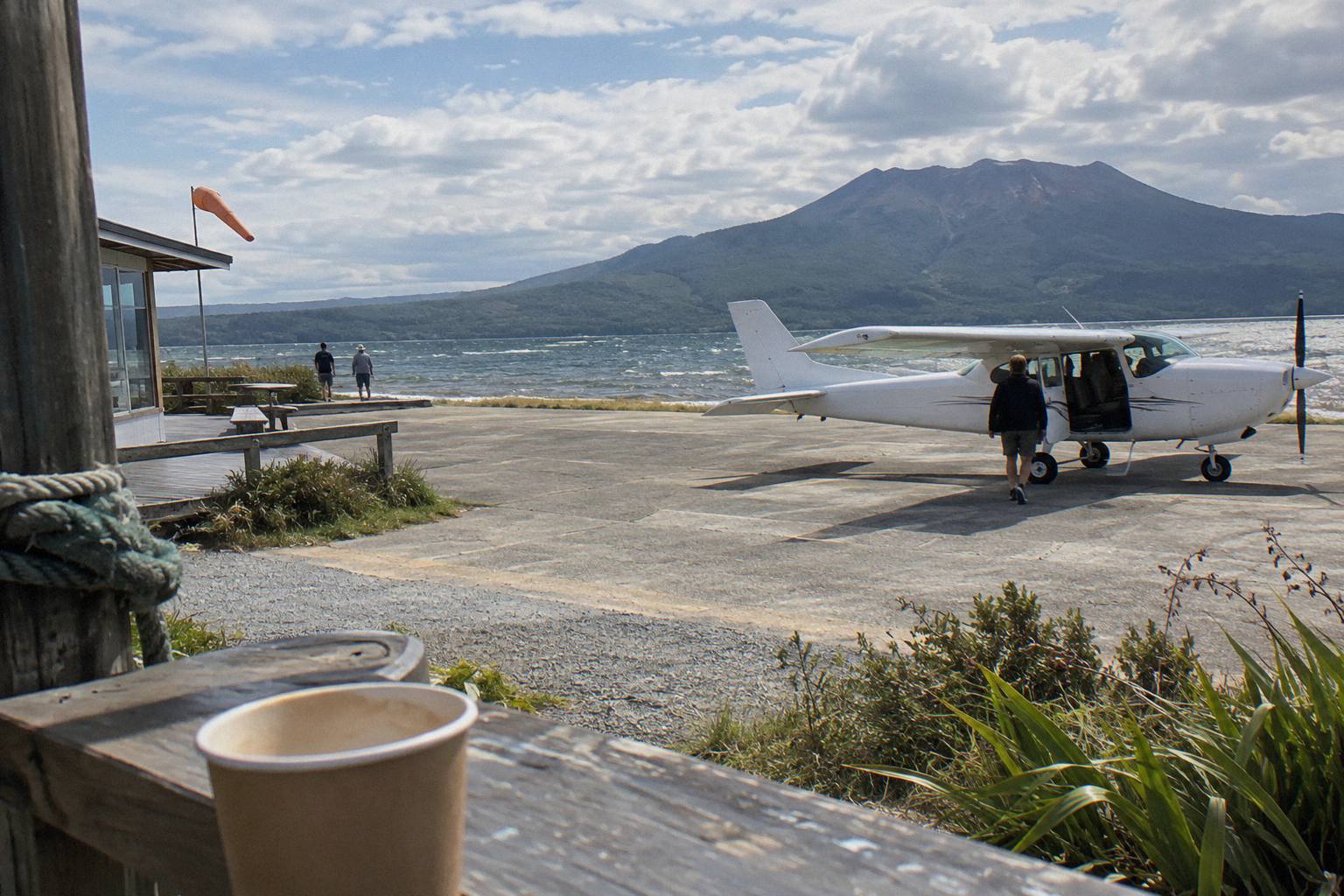
For anyone whose fitness rules out even the lighter options, the flights change the question entirely. The Volcanic Air 40-Minute Summit Landing Flight replaces the 4x4 ride and the summit track with a helicopter from the Rotorua lakefront and a short guided walk on the summit, about 20 minutes by the booking page's wording. It departs 1 Lakefront Drive, flies over lakes Okareka, Okataina and Tarawera, and returns to the same spot.
The flyover removes even the landing. The Tarawera Scenic Floatplane Flyover, from NZ$395 per person and rated 4.8 across 48 reviews, is a 30-minute flight over the mountain and the volcanic landscape with pilot commentary, and it does not land anywhere. That makes it the floor of the difficulty range: a seat, a headset and a window, no walking at all beyond the boarding steps.
Age Limits, Weight Rules And Who Each Trip Suits
The walking products carry the firm age rules: 7 and over for Kaitiaki's half-day crater experience and full-day hike, 13 and over for the Kaituna combo. The flights carry weight rules instead, 110 to 135 kg per seat depending on the aircraft, with infants on laps and a minimum of two adult fares for a flight to operate. Not one product is wheelchair accessible.
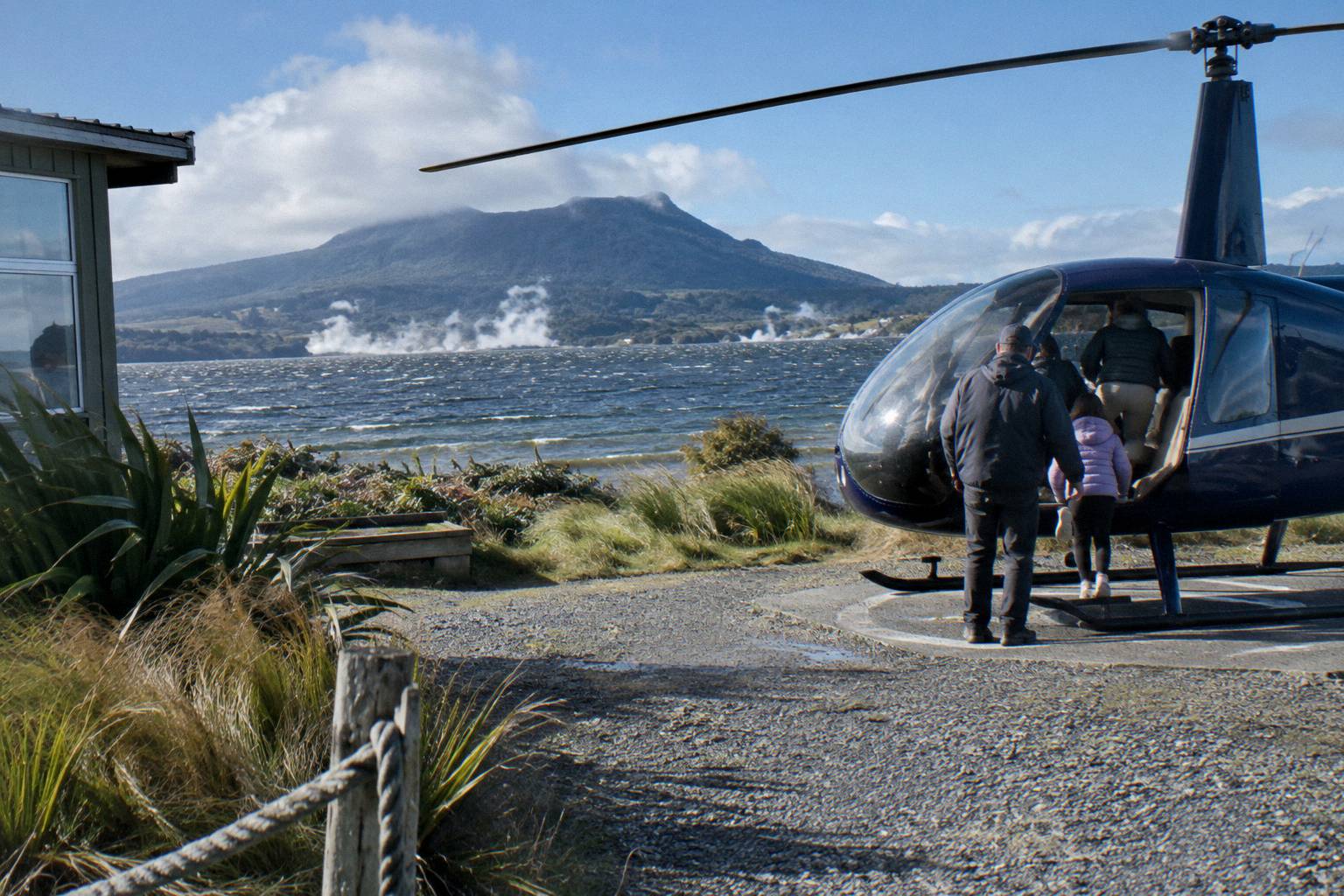
Age and weight rules are where booking mistakes happen, because they differ product by product and they are stated on the booking page rather than negotiated on the day. A 10 year old can do the crater walk but not the rafting combo. A passenger over 110 kg can fly on the 40-minute landing flight, with specific seating possibly arranged and individual weights taken at booking, but the 1-hour flight's stated limit is 110 kg total per passenger. The dual landing flight sets 130 kg and adds its own not suitable list covering pregnant travellers, people with mobility impairments and people afraid of heights.
| Rule | Half-Day Crater Walk | Kaituna Combo | 40-Min Landing Flight | 1-Hour Landing Flight | Dual Landing | Floatplane Flyover |
|---|---|---|---|---|---|---|
| Minimum age | 7 | 13 | ask Volcanic Air | ask Volcanic Air | ask Volcanic Air | ask Volcanic Air |
| Weight rule | none stated | none stated | 135 kg per seat; over 110 kg may get specific seating | 110 kg total per passenger | 130 kg total per passenger | 135 kg per seat |
| Infants | not applicable | not applicable | sit on laps | sit on laps | sit on laps | sit on laps |
| Wheelchair accessible | no | no | no | no | no | no |
| Listed not suitable | low fitness, back or heart problems, serious medical conditions | low fitness | none stated | none stated | pregnancy, mobility impairments, fear of heights | none stated |
Where a cell reads none stated or ask Volcanic Air, that is the limit of what the operators publish, and the right move is a question at booking rather than an assumption. Free cancellation up to 24 hours before applies to all six products on the booking page, which softens the risk of asking late.
What To Wear, Bring And Expect From Your Legs
Kaitiaki asks guests to bring sturdy walking shoes, where sturdy trainers are fine, comfortable clothing for the weather, a bottle of water and snacks, because the operator provides none. Walking sticks are supplied at base camp, a motion sickness warning asks guests to tell the guide, and the 4x4 approach road is roughly 8.2 km of bumpy off-road after a 30 minute drive from the meeting point.
Gear and difficulty are the same conversation. Loose scoria punishes thin soles and worn tread, which is why the operator's footwear line names sturdy shoes rather than any specific boot. Water and snacks matter because the operator provides neither, and a four and a half hour mountain morning burns more than people expect. The ride up is part of the day's physical story too: 8.2 km of off-road track is genuinely bumpy, and anyone prone to motion sickness should say so to the guide early, exactly as the FAQ advises.
The full packing picture, layering included, sits in what to wear and bring on the crater walk. One climate caution belongs here because it changes perceived difficulty: Rotorua town's climate normals describe the town at about 280 m elevation, while the summit stands at 1,111 m and is colder and windier than the departure point on any given day. The operator never asks for specific gear beyond the list above, so treat layering as judgement rather than requirement.
| Month | Mean daily max in Rotorua town | Mean rainfall |
|---|---|---|
| February | 23.1 °C | 100.4 mm |
| May | 15.2 °C | 130.2 mm |
| July | 12.0 °C | 137.4 mm |
| November | 18.6 °C | 86.8 mm |
Those figures are town normals from 1991 to 2020, useful only for comparing months against each other. The summit runs colder and windier at every point of the year, and no summit temperature is published by anyone. Readers deciding when to travel can weigh the months in which months suit a crater walk, and check how conditions affect flights in crater walk and landing weather.
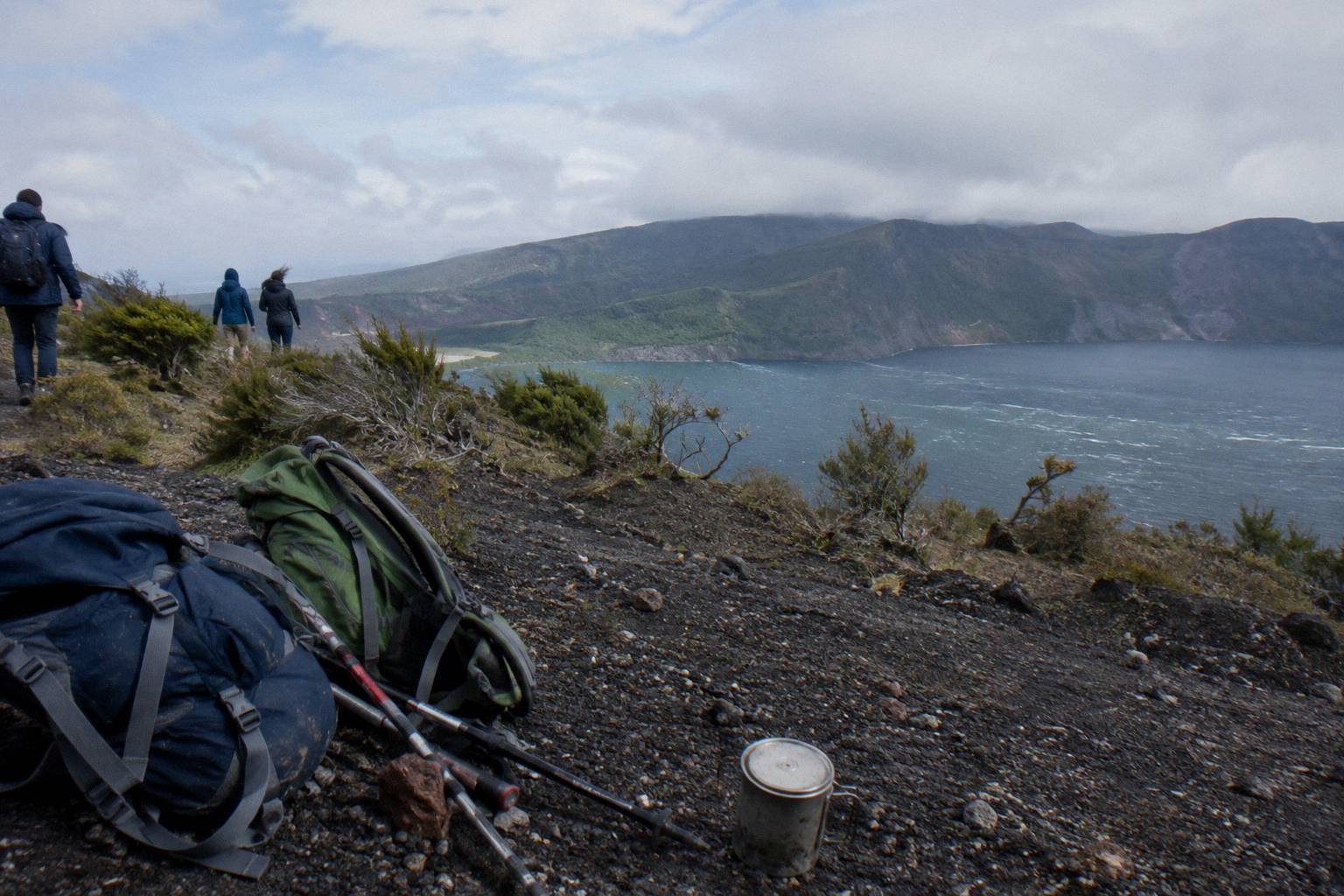
How Tarawera Difficulty Compares With Other Volcano Walks
Tarawera's guided summit track sits in the moderate band, well short of a full alpine crossing day in length and commitment, because the 4x4 ride removes the long approach and the operator caps the crater walk at about 90 minutes of guided walking. The comparison is one of scale: a half-day Tarawera experience versus a full-day alpine traverse elsewhere.
The structure explains it. On Tarawera, a vehicle does the climbing to the base of the walking route, so guests spend their fitness on the crater rim and the summit track rather than on kilometres of forest track. The Tarawera Trail by the lake, a separate DOC tramping track, is a different animal entirely: 15 km one way, graded advanced, from the Te Wairoa car park to the Hot Water Beach campsite, with dogs, bikes and vehicles not permitted. It is a lake-edge mission, not a summit one, and the choice between them is covered in Tarawera Trail versus the crater walk.
For walkers who finish Tarawera and want a bigger volcano objective, the North Island's benchmark alpine crossing is a different scale of day and deserves its own planning, which is where tongariroalpinecrossingtours.com earns a look. Tarawera with a guide is a half-day; the crossing is a full day over real alpine terrain. The skills do not transfer automatically, but the confidence does.
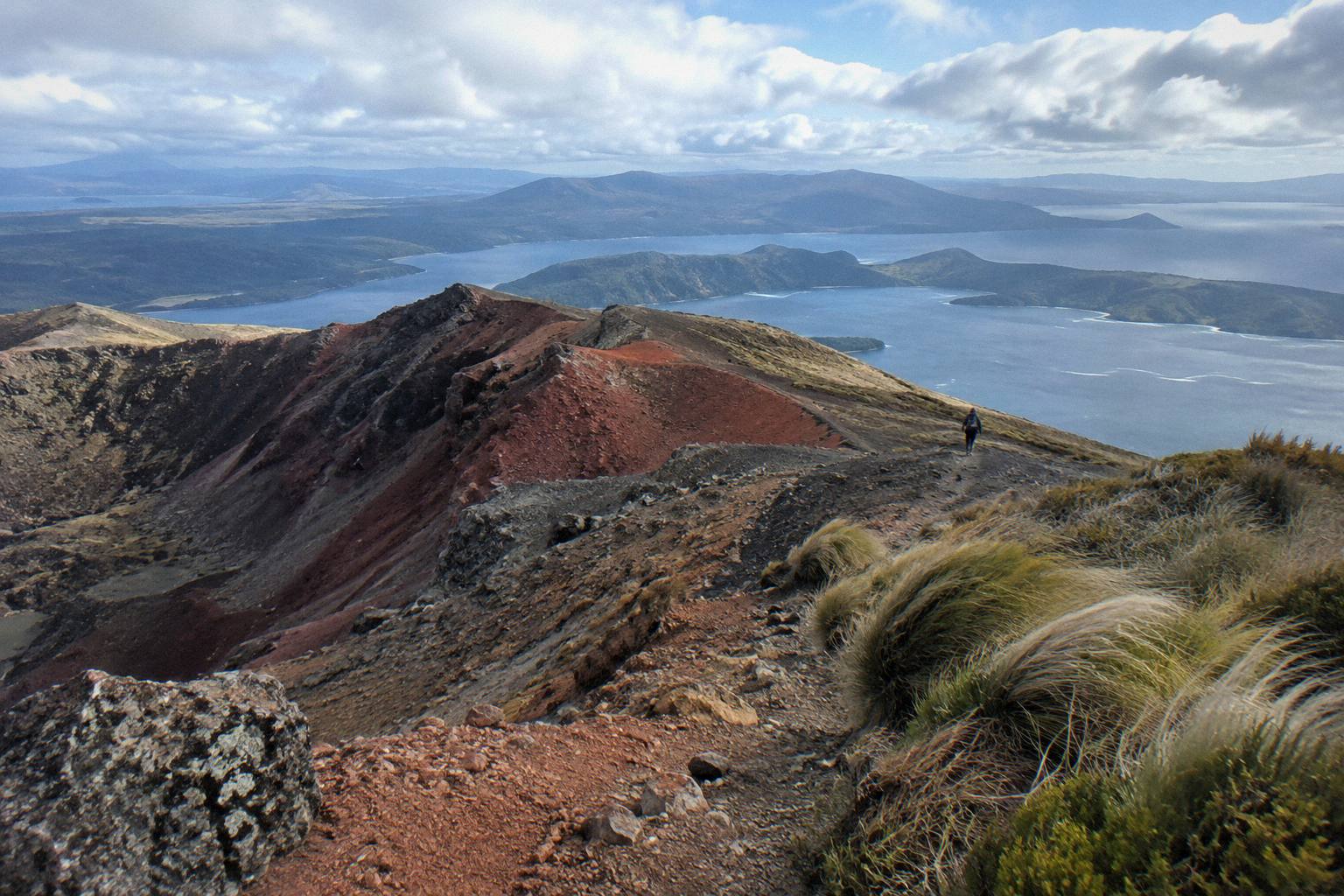
Common Mistakes People Make About Tarawera Difficulty
The recurring mistakes are treating the summit track as optional when the lighter options require asking on the day, arriving without water or snacks because a 4x4 ride sounds effortless, assuming a helicopter landing is guaranteed, and reading town weather as summit weather. Each mistake comes from half-reading what the operators actually say, and each is avoidable in a minute of planning.
The snack mistake is the most common because the product includes so much: transport, guiding, 4x4 access, and yet no food at all, in Kaitiaki's own words. The landing mistake follows close behind. Volcanic Air's wording is unambiguous: landings are at the pilot's sole discretion and depend on weather, volcanic activity and passenger loadings, and the flight still runs as a scenic flight if the landing is off. Booking a landing flight as a guaranteed summit walk sets up disappointment the operator never promised.
The weather mistake works in both directions. A mild morning in Rotorua town says little about wind on a 1,111 m summit, and a showery town forecast does not necessarily scrap a flight day. Ask the operator about conditions on the morning, not the evening before, and lean on the free cancellation window up to 24 hours before where the forecast is clearly against you. Finally, the age mistake: 7 plus applies to the crater walk products, 13 plus to the rafting combo, and the flights have no published age rule, so ask Volcanic Air rather than guessing when a toddler or a teenager is involved.
Common Questions About Mt Tarawera Walk Difficulty
How Fit Do You Need To Be For The Mt Tarawera Crater Walk?
Kaitiaki Adventures states that medium to moderate fitness is needed for the summit track. In practice that means comfortable sustained uphill walking on loose ground, with benches for rests and lighter walking options instead of the summit for guests who want them. The booking page lists low fitness, back problems, heart problems and serious medical conditions as not suitable.
Is The Mt Tarawera Crater Walk Hard?
The operator's word is moderate, not hard. The ground is volcanic scoria that can be slippery, two sections of about 50 m need four points of contact, and the optional scree run is described by Kaitiaki as a 45 degree slope approximately 400 m deep. No easy or hard verdict beyond the operator's moderate wording can be given.
Can You Do The Tarawera Trip Without Walking To The Summit?
Yes. Kaitiaki says guests may take lighter walking options instead of the summit, keeping the 4x4 ride, base camp stop and guiding. Helicopter options also exist: the 40-minute Summit Landing Flight includes a short guided walk of roughly 15 to 20 minutes, and the floatplane flyover lands nowhere at all.
What Age Do Children Need To Be For The Crater Walk?
The half-day crater experience and the full-day hike take ages 7 and over, as the operator states. The Kaituna rafting and crater walk combo requires ages 13 and over. Volcanic Air publishes no age rule for its flights, so ask when booking; infants sit on laps.
Are Snacks And Drinks Provided On The Crater Walk?
No. Kaitiaki says it provides no snacks, and its FAQ asks guests to bring a bottle of water, snacks, sturdy shoes and comfortable clothing. Walking sticks are handed out at the base camp stop, where a composting toilet is the last facility before the walking starts.
Is A Summit Landing On A Helicopter Flight Guaranteed?
No. Volcanic Air states that excursion landings are at the pilot's sole discretion and depend on weather conditions, volcanic activity and passenger loadings. If the landing cannot happen, the flight operates as a scenic flight over the volcanic landscape.