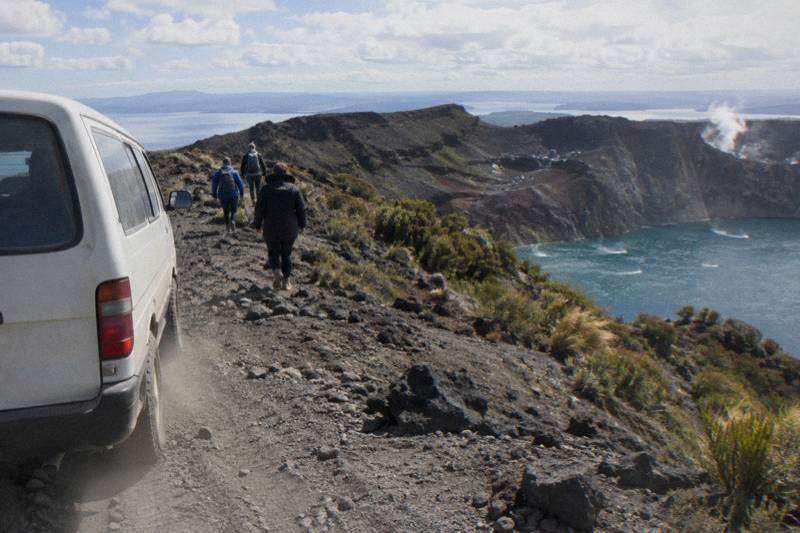
Mt Tarawera 4WD Ride And Crater Walk: How The Day Works
The 4WD ride plus guided crater walk is the standard way onto Mt Tarawera: a vehicle carries you most of the way up, and a local guide walks you the rest. Here is how the day runs, stage by stage, using only what the operators publish.
Short answer
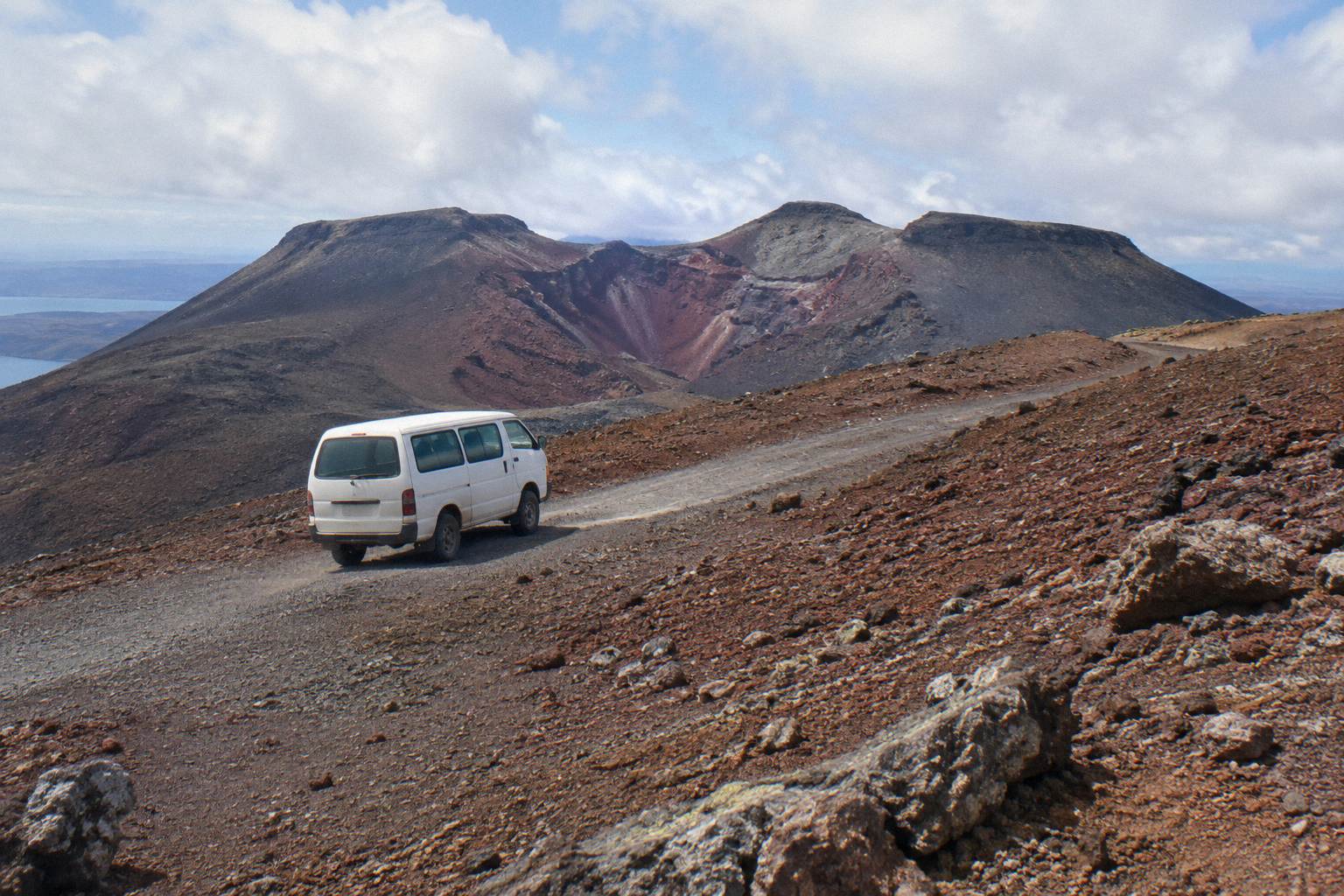
You meet at the Main Carpark on Hemo Road, Whakarewarewa, drive about 30 minutes to the base of the 4WD track, then ride roughly 8.2 km off-road to a base camp with a composting toilet. The guided crater walk is about 90 minutes, and the half-day trip is about 4 hours 30 minutes in all.
Mt Tarawera stands 1,111 m above the Rotorua lakes country, and its summit is not something you simply drive or stroll onto. The mountain is governed by the Ruawahia 2B Trust, which reinvests most tourism concession revenue in conservation, starting with wilding pine removal, and Ngati Rangitihi hold kaitiakitanga, guardianship, of the maunga. Tour operators work as concessionaires alongside Ngati Rangitihi, and that arrangement is why summit trips run with guides rather than as free entry.
That is where the 4WD-plus-walk format comes in. Rather than asking you to climb the whole mountain on foot, a vehicle takes you up a rough track, and a guide walks you the final stretch along the crater rim. It is the standard way onto the mountain, and it splits the day into stages that are worth understanding before you book: the meeting point, the sealed drive, the off-road leg, a base camp stop, then the walk itself. This breakdown follows the operator's own published wording at each step, so what you read here matches what the day actually delivers.
How The Mt Tarawera 4WD Ride And Crater Walk Day Works
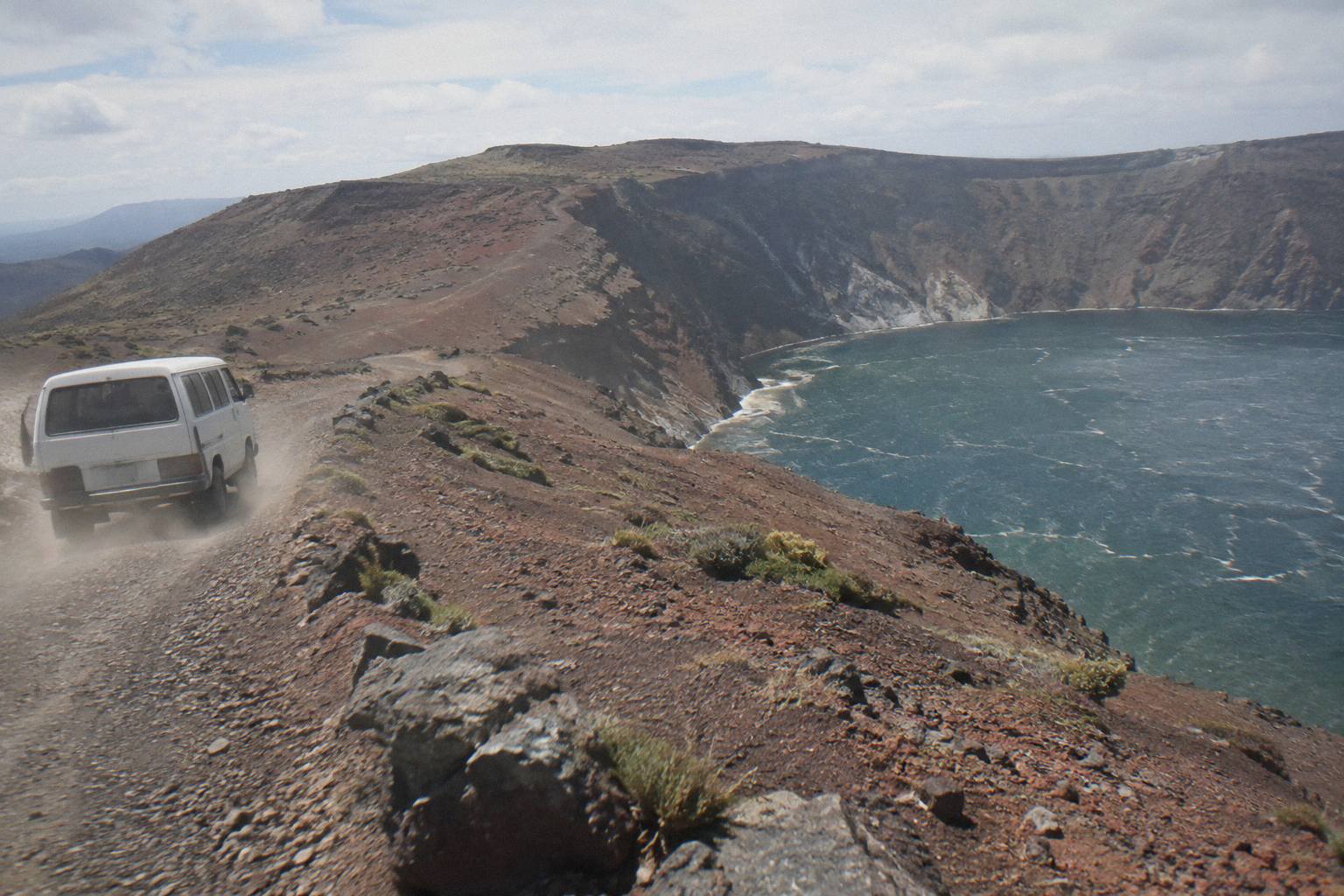
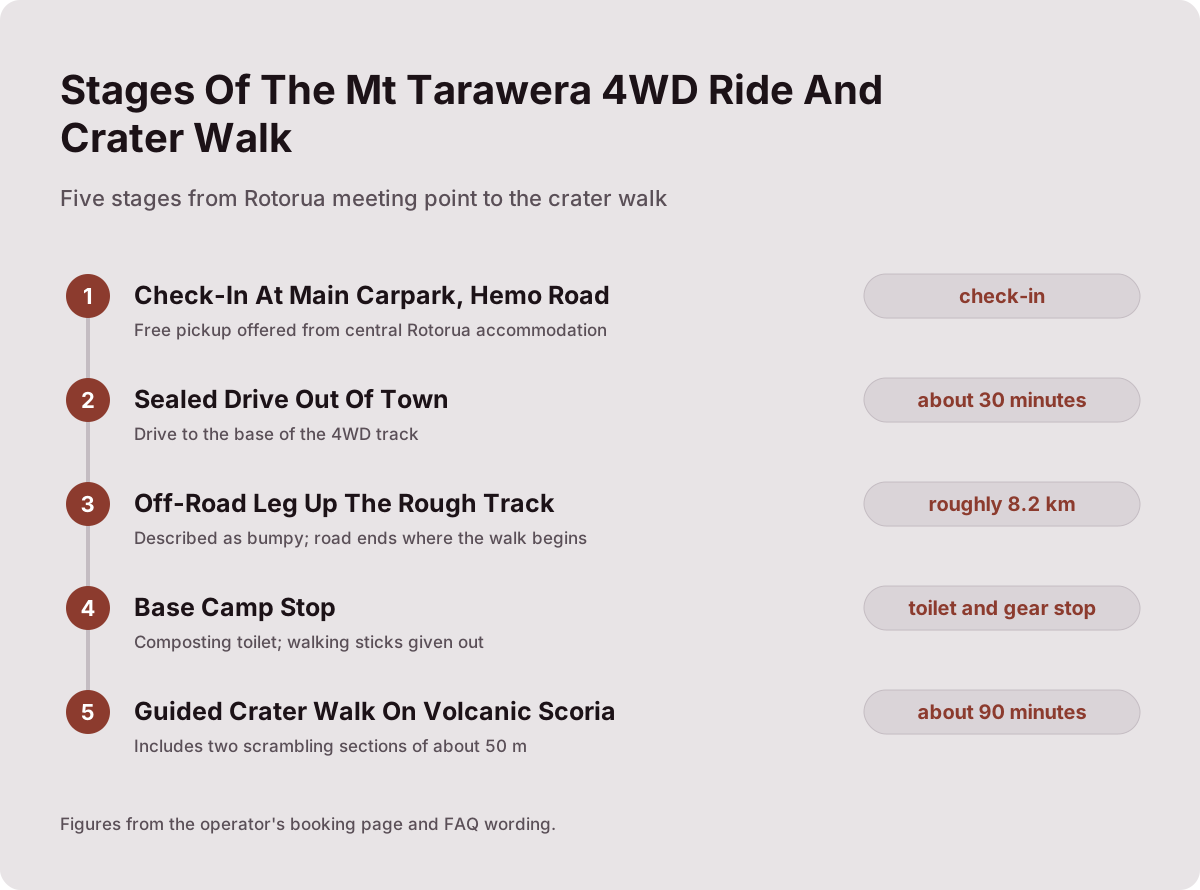
The day runs in five stages: meet at the Main Carpark on Hemo Road in Whakarewarewa, drive about 30 minutes to the base of the mountain's 4WD track, ride roughly 8.2 km of bumpy off-road track, stop at a base camp with a composting toilet where walking sticks are handed out, then walk with your guide from where the road ends. The half-day version is about 4 hours 30 minutes in all.
Kaitiaki Adventures, the operator behind the trip, describes the journey plainly on its FAQ page. The road ends where the walk, the hikoi, starts. There is no grand transition or gear change, just a point where the vehicle stops and the summit track begins. Benches sit along the route, and at the second bench the guide shows the summit trail. Guests who prefer lighter walking can take easier options instead of the summit push, which matters if your group has mixed fitness.
The booking page for the Kaitiaki Half-Day 4WD And Crater Walk bundles the pieces together: the 4.5-hour guided crater experience, a local guide, 4x4 transport up the mountain, hotel pickup and drop-off from central Rotorua, and about 90 minutes of guided crater walking. The trip ends back at the meeting point where it began. It is rated 4.9 across 359 reviews, and free cancellation up to 24 hours applies on the booking page. If you are ready to lock in a date, you can check availability beside the half-day 4WD and crater walk tour page.
| Stage of the day | What happens | Stated detail |
|---|---|---|
| Meeting point | Check-in at the Main Carpark | Hemo Road, Whakarewarewa, Rotorua |
| Sealed drive | Vehicle run out of town | about 30 minutes to the base of the 4WD track |
| Off-road leg | Rough climbing track | roughly 8.2 km, described as bumpy |
| Base camp stop | Toilet and gear stop | composting toilet; walking sticks given out |
| Crater walk | Guided summit track | about 90 minutes of guided walking |
One practical note: Kaitiaki says it provides no snacks. Water and food are yours to bring, and the operator's FAQ is explicit about that. If you want the fuller picture of what to carry, the packing rundown covers shoes, clothing and food in detail.
Where You Meet And The Drive To The Mountain
The meeting point is the Main Carpark on Hemo Road, Whakarewarewa, in Rotorua, and from there it is about 30 minutes' drive to the base of the Mt Tarawera 4WD track. The booking pages also offer free pickup from central Rotorua accommodation, though no pickup time is promised in advance; the details for your date show during booking.
Hemo Road sits on the southern edge of Rotorua, close to Whakarewarewa, which keeps the start of the day inside the town rather than out at the lake. That matters for planning: you do not need to drive the full Tarawera Road to Lake Tarawera yourself, because the operator's transport covers the approach. If you would rather not make your own way to the carpark at all, the central-Rotorua pickup option on the booking page handles it, and you can ask when you book about timing for your specific accommodation.
The first leg is ordinary sealed road, roughly half an hour of it, and it is the calm before the rattling begins. The operator's FAQ warns passengers prone to motion sickness to tell the guide, and that warning makes most sense here: the off-road section that follows the seal is genuinely bumpy, and knowing ahead of time lets the guide and driver adjust. The Mt Tarawera Volcano Hike format exists partly because of this drive; without the vehicle leg, reaching the crater rim would be a far longer day on foot.
For anyone weighing where to position themselves in Rotorua the night before, central accommodation keeps both the pickup option and the Hemo Road carpark within easy reach. The drive out passes farmland and bush before the mountain's bulk appears, and the operator's own route description suggests passengers use the time to hear the first of the guiding commentary rather than nap through it.
The Roughly 8.2 Km Off-Road Leg And The Base Camp Stop
After the sealed drive, the vehicle covers roughly 8.2 km of bumpy off-road track to reach the base camp area, where there is a stop with a composting toilet and where walking sticks are given out. Kaitiaki's FAQ describes this leg as the road that ends where the hikoi, the walk, begins, so the ride is a real stage of the day, not a shuttle afterthought.
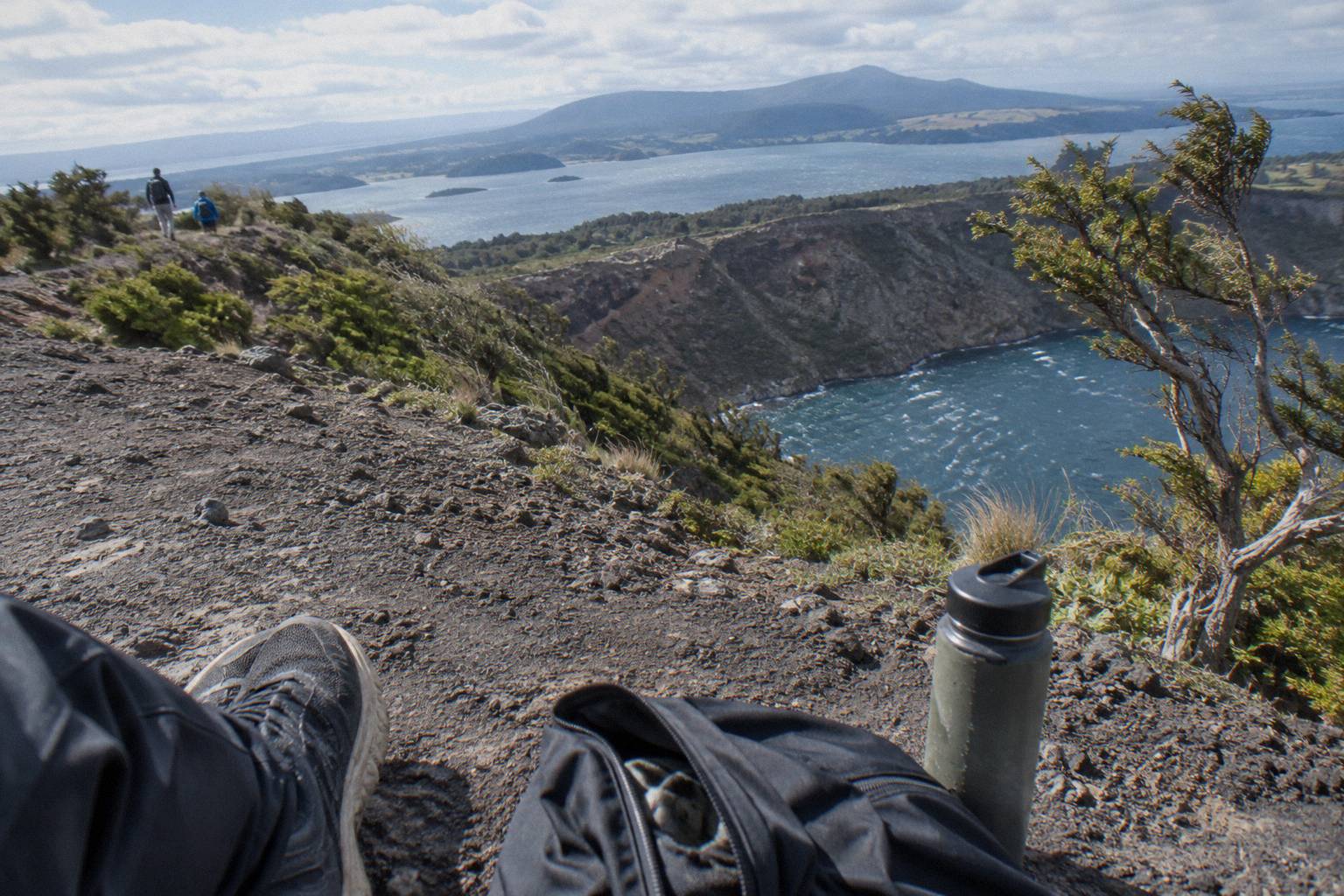
The 8.2 km figure comes straight from the operator's FAQ page, and it is the single most useful number for calibrating expectations. Roughly eight kilometres of off-road climbing takes time, and it is why the half-day trip runs about 4 hours 30 minutes in total even though the crater walk itself is about 90 minutes. The rest of the time is the drive out, the climb, the stop, and the walk back down to the vehicle. No vehicle model, seat count or group size is published, so ask when you book if any of those details matter to you.
The base camp stop deserves more attention than it usually gets. It is the last toilet before the summit track, and it is a composting one, which tells you the mountain's infrastructure is deliberately light. It is also where walking sticks are handed out, free to use, and the operator encourages taking one. Volcanic scoria underfoot can be slippery, per the FAQ, and sticks help on the loose ground both going up and coming down.
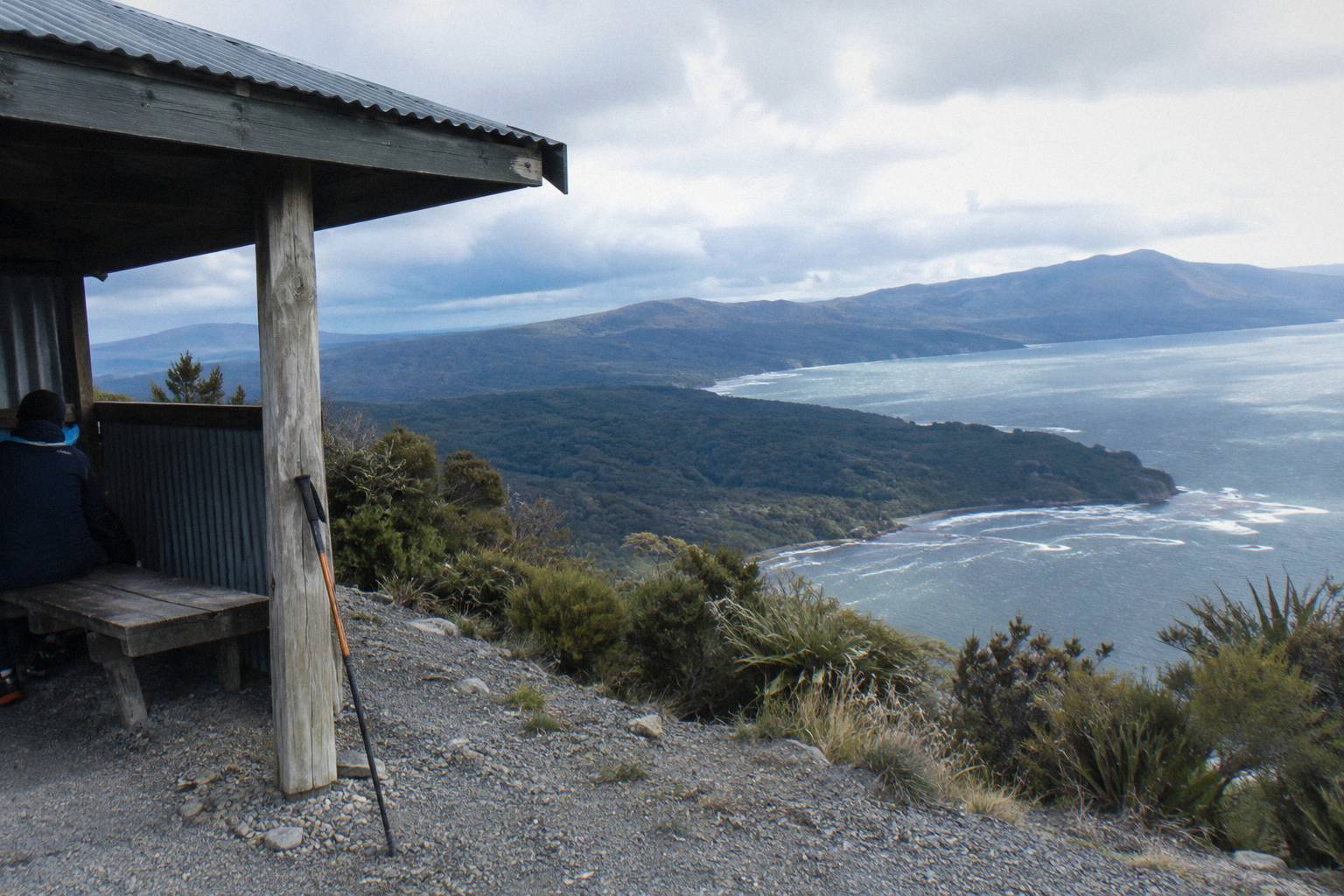
If the ride itself sounds like the appeal, the dedicated comparison of walking, 4WD or helicopter formats works through how the vehicle day stacks up against the alternatives. The short version: the 4WD leg does the elevation so your legs only handle the summit track.
What The Crater Walk Itself Involves
The guided crater walk is about 90 minutes per the booking page wording, on volcanic scoria that the operator describes as slippery in places, with two sections of about 50 m needing four points of contact. The scree into the crater is described by Kaitiaki as a 45 degree slope approximately 400 m deep, and the summit of Ruawahia, at 1,111 m, is the high point.
Those figures come from Kaitiaki's own FAQ wording for the trip. Moderate fitness is the stated requirement, and the operator lists low fitness, back problems, heart problems and serious medical conditions as not suitable for the experience. The ground is loose rock, not a formed trail: sturdy walking shoes are the recommendation, though the FAQ concedes that sturdy trainers are fine. Two short scrambling sections, about 50 m each, ask you to use hands as well as feet, and the guide sets the pace through them.
The optional descent into the crater is exactly that, optional. The half-day "Mt Tarawera Volcanic Crater Experience", as Kaitiaki's own guided-tours page names it, describes a summit of Ruawahia with "360 degree views" in the operator's words, plus the option of running down into the crater on the scree. If sliding down a 45 degree volcanic slope does not appeal, you can stay on the rim and watch. The mechanics of that choice, including the run itself, get a full treatment in the scree run explained.
| Element of the walk | Operator wording | Practical read |
|---|---|---|
| Duration | about 90 minutes of guided crater walking | short enough for a morning, steady underfoot effort |
| Surface | volcanic scoria, can be slippery | sturdy shoes or sturdy trainers |
| Scrambling sections | two sections of about 50 m, four points of contact | hands needed briefly, guide sets the pace |
| Crater scree | a 45 degree slope approximately 400 m deep | the optional run down is exactly that, optional |
| Summit | Ruawahia at 1,111 m | the highest of the mountain's three domes |
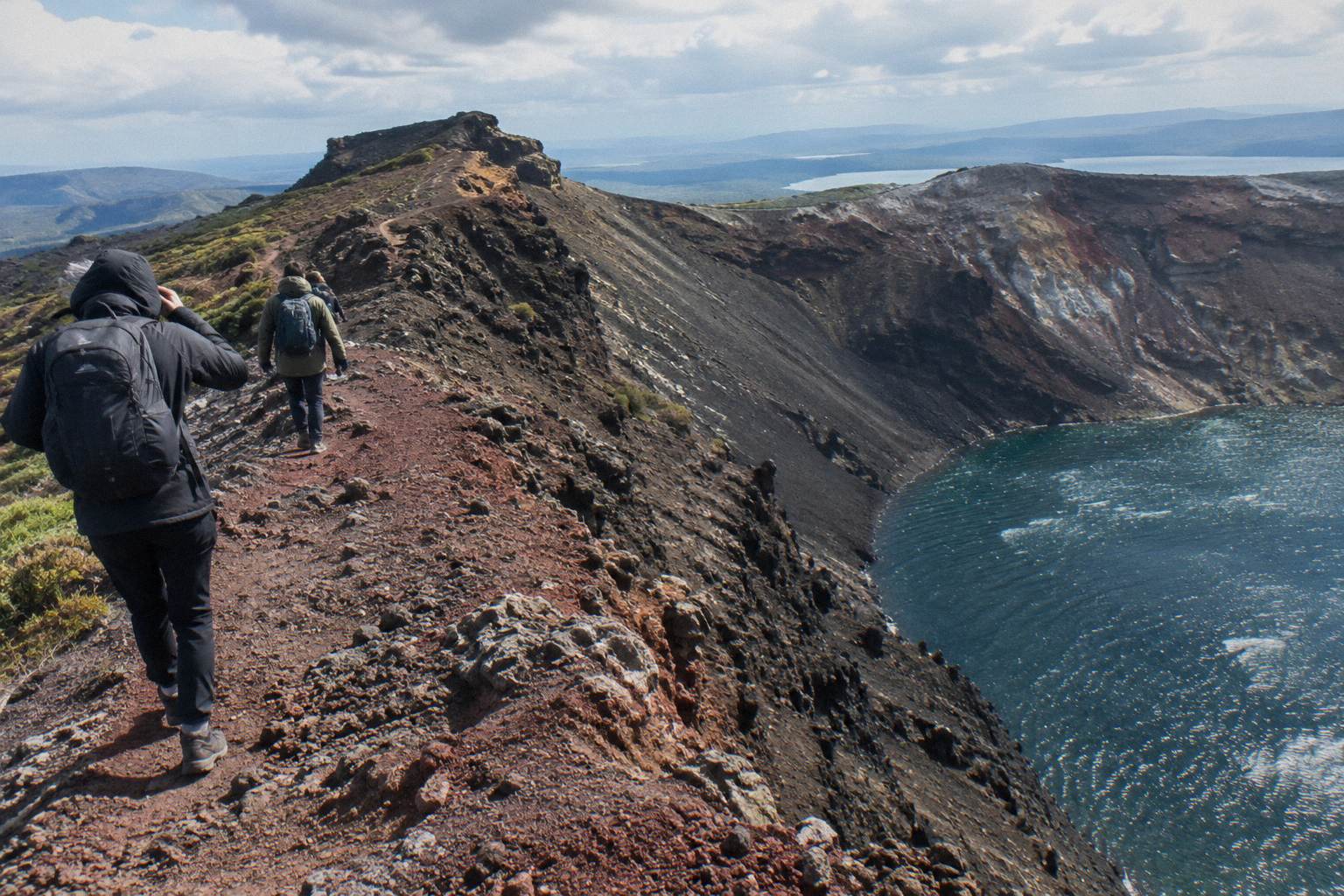
What the walk delivers at the top is a view across the 1886 eruption landscape: the rifted domes, Lake Tarawera below, and on a clear day a sweep across the central North Island. The GNS Science volcano fact sheet records that the 10 June 1886 eruption was New Zealand's largest during the last 500 years, heard as far as Blenheim with ash falling as far as Christchurch. Standing on the rim, with the crater's raw scoria underfoot, that history is visible rather than abstract.
Half Day, Full Day, Or A Full-On Combo
The half-day experience is about 4.5 hours for ages 7 and over; Kaitiaki's Full Day Hike is about 6.5 hours, also ages 7 and over, and adds Tarawera Dome with about 1.5 hours more walking than the half day. A Kaituna River rafting combo runs about 9 hours for ages 13 and over. The full-day hike is sold on Kaitiaki's own site and has no booking page here.
Those are the three shapes the mountain day can take. The half day is the core product: the 4WD ride, the base camp stop, the summit of Ruawahia, and the option of the crater run, wrapped in about 4 hours 30 minutes from the meeting point back to it. The full day stretches the same start into a longer walking journey by adding Tarawera Dome, one of the mountain's three domes alongside Ruawahia and Wahanga. If more mountain is the goal, the comparison between the half-day and full-day guided hikes sets out the differences.
The combo is a different animal altogether. The Kaituna Rafting And Tarawera Crater Walk Combo pairs about 1.5 hours of Kaituna River whitewater rafting, roughly an hour of it on the water, with the same 4x4 ascent and 90-minute crater walk as the half day. It runs about 9 hours in all, with complimentary transport from central Rotorua accommodation and the Rotorua Information Centre across 22 pickup options, and you are returned after the first activity and collected again for the second. The minimum age is 13, which reflects the rafting rather than the mountain.
| Product | Duration | Minimum age | Extra walking or activity |
|---|---|---|---|
| Half Day Volcanic Crater Experience | about 4.5 hours | 7 and over | about 90 minutes of crater walking |
| Full Day Hike (Kaitiaki's own site only) | about 6.5 hours | 7 and over | adds Tarawera Dome, about 1.5 hours more walking |
| Kaituna Rafting And Tarawera Crater Walk Combo | about 9 hours | 13 and over | about 1.5 hours rafting, about 1 hour on the water |
Neither Kaitiaki product has a published amount: the booking page shows the price for your date, so treat any figure you see elsewhere with caution. The New Zealand dollar amounts that do appear in comparisons on these pages, such as the from NZ$675 per person helicopter landing flight, are booking-page from-prices per person in New Zealand dollars and nothing more should be inferred from them.
What To Bring, Wear, And Know Before You Go
Pack sturdy walking shoes, comfortable clothing for the weather, a bottle of water and snacks, because Kaitiaki provides no food. Walking sticks are handed out at the base camp stop. Tell the guide about motion sickness before the off-road leg, and expect the summit at 1,111 m to be colder and windier than Rotorua town below.
The packing list is short because the trip is short, and because the vehicle carries the load. The one item people most often skip is snacks, and the operator is blunt about that gap: none are provided. Water matters on the summit track even on cool days, since the scoria walking is steady effort at altitude for an hour and a half.
Clothing is about the summit, not the town. The published climate normals describe Rotorua town at about 280 m elevation, where February's mean daily maximum is 23.1 °C and July's is 12.0 °C, with July the wettest month at 137.4 mm and November the driest at 86.8 mm. Those numbers describe the town, not the mountain: the summit at 1,111 m is colder and windier than any town figure, and no summit temperature is published. A windproof layer is the sensible read of that gap, and the full packing breakdown lives in what to wear and bring on the crater walk.
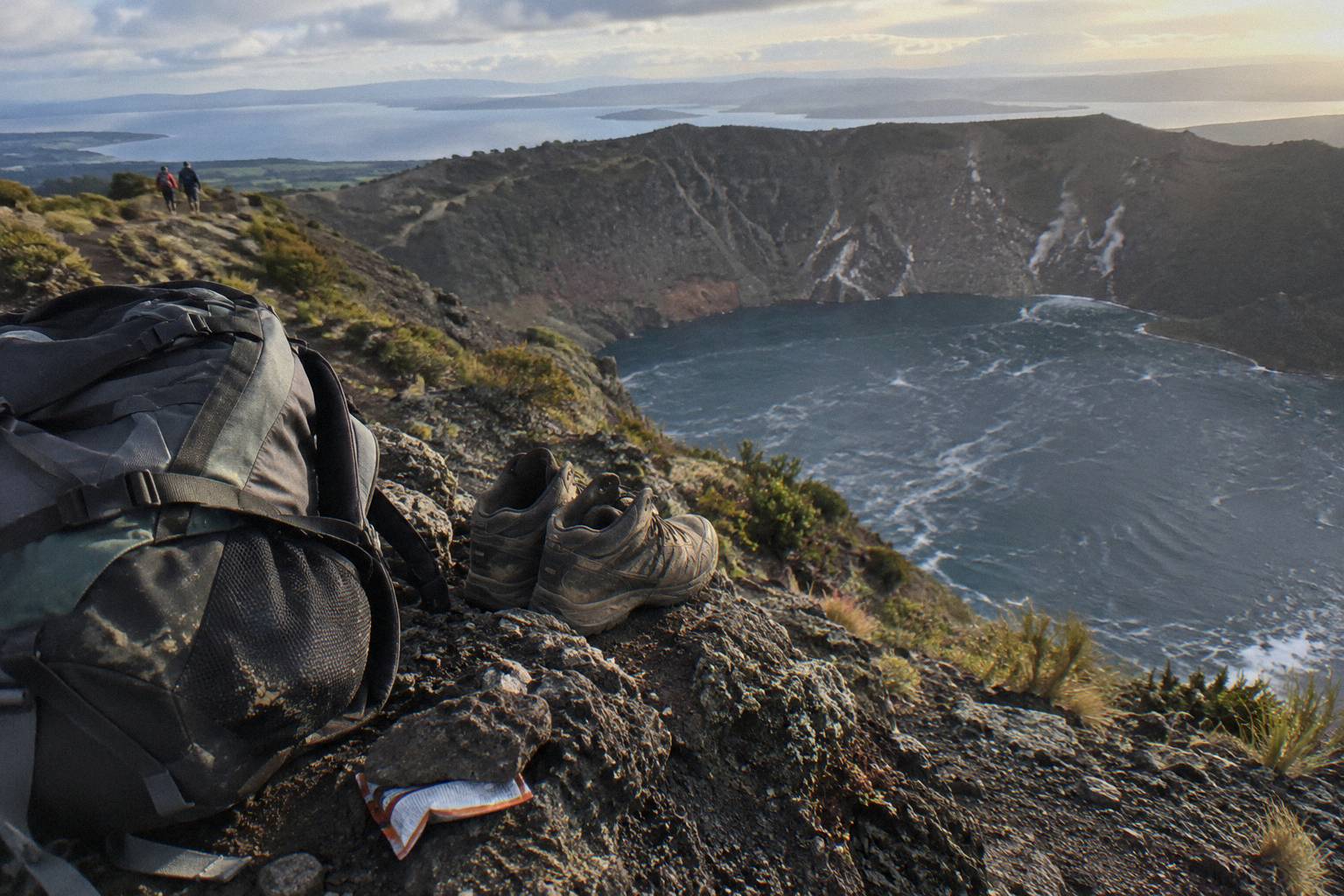
Two comfort details round it out. The composting toilet at base camp is the last one before the summit track, so use it there. And the motion-sickness warning in the FAQ is aimed squarely at the 8.2 km of bumpy off-road track: if that describes you, say something at the start, because the guide can seat you where the ride is least punishing.
Age Limits, Fitness, And Who The 4WD Format Suits
The Kaitiaki half-day and full-day hikes take ages 7 and over as the operator states it, with moderate fitness needed; the Kaituna combo requires ages 13 and over because of the rafting. Low fitness, back problems, heart problems and serious medical conditions are listed as not suitable, and the experience is not wheelchair accessible.
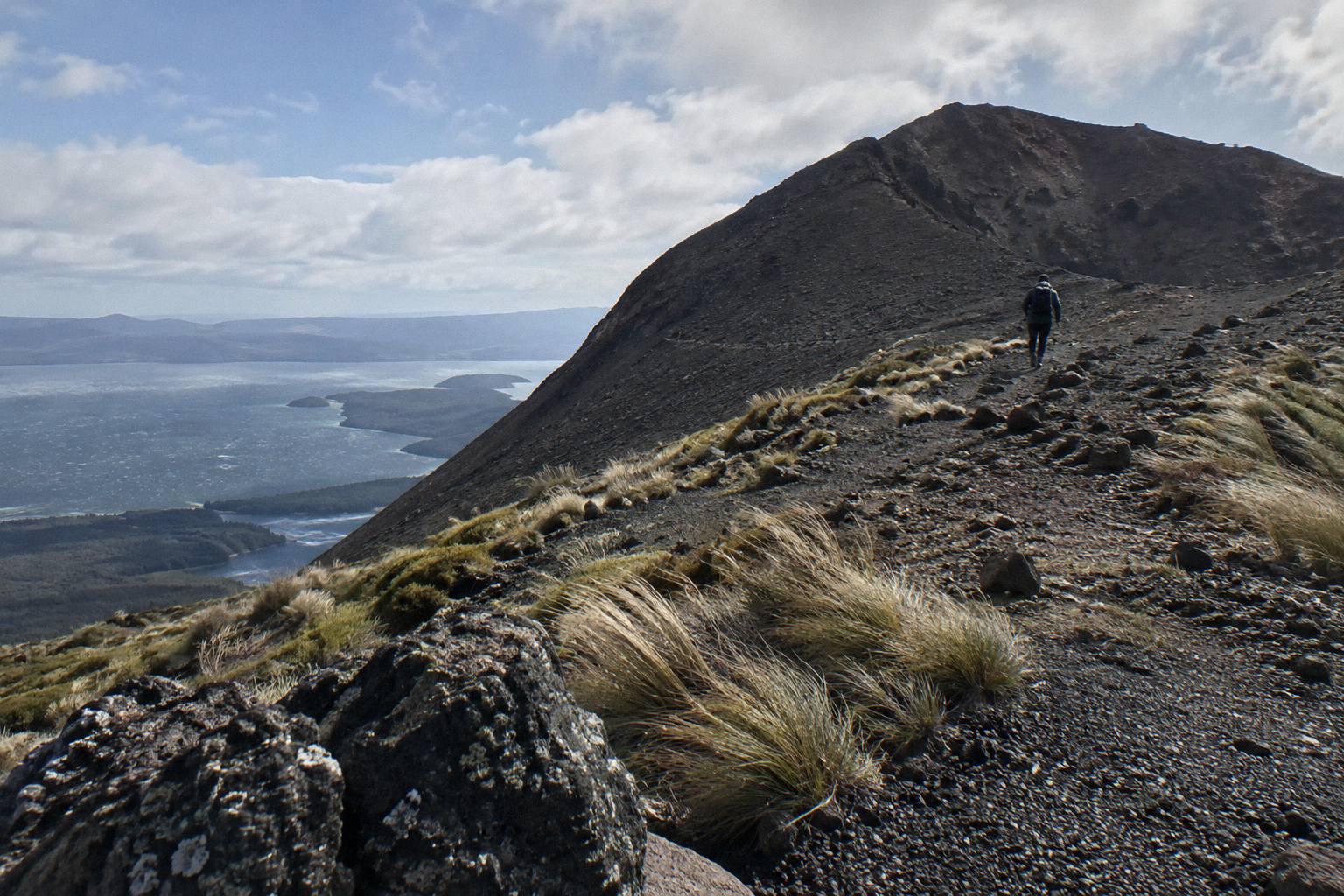
The age line at 7 is about the summit track, the scrambling sections and the scree, not the vehicle, and it is the operator's stated rule rather than a suggestion. Families weighing it can read the fuller treatment at guided hikes with kids and age limits. If your child is near the line, ask when you book what 7 looks like in practice on the scree.
The operator grades the fitness level as moderate: the summit track climbs steadily uphill on loose ground for under two hours, with two hands-and-feet sections. The FAQ notes lighter walking options exist for guests who would rather skip the summit push, which means a mixed-fitness group does not need to split up. For the detail on gradients and effort, see crater walk difficulty and fitness.
The 4WD format suits people who want the summit without an all-day tramp. It is also the only format among the options covered here that puts you on the mountain on foot for a sustained period: the helicopter landing flights give you about 15 to 20 minutes of guided walking at the top depending on the product, while the 4WD day gives about 90 minutes of crater walking plus the rim travel to get there.
4WD And Walk, Helicopter Landing, Or Flyover
The 4WD day gives about 90 minutes of guided crater walking after a roughly 8.2 km off-road ride; the Volcanic Air 40-Minute Summit Landing Flight, from NZ$675 per person, gives a scenic flight and a short guided summit walk of about 15 to 20 minutes depending on the page; the Tarawera Scenic Floatplane Flyover, from NZ$395 per person, is a flyover only with no landing.
These are three different products, not three ranks of the same one. The helicopter flight is rated 4.9 across 43 reviews, and the floatplane flyover 4.8 across 48 reviews, but a flyover never lands: that always needs saying in the same breath. The landing flights land at the pilot's sole discretion, dependent on weather, volcanic activity and passenger loadings, in Volcanic Air's own wording, so a landing is never guaranteed. The 1-Hour Mountain Landing Flight and the dual Orakei Korako landing, from NZ$1,490 per person, sit further along the same spectrum.
| Format | Time on the mountain | Landing | Booking-page from-price |
|---|---|---|---|
| 4WD and crater walk | about 90 minutes of guided walking | you are already standing on it | amount on the booking page |
| 40-Minute Summit Landing Flight | about 15 minutes (operator page) or about 20 minutes (booking page) | at the pilot's sole discretion | from NZ$675 per person |
| 1-Hour Mountain Landing Flight | about 20 minutes | at the pilot's sole discretion | amount on the booking page |
| Tarawera Scenic Floatplane Flyover | none, flyover only | no landing | from NZ$395 per person |
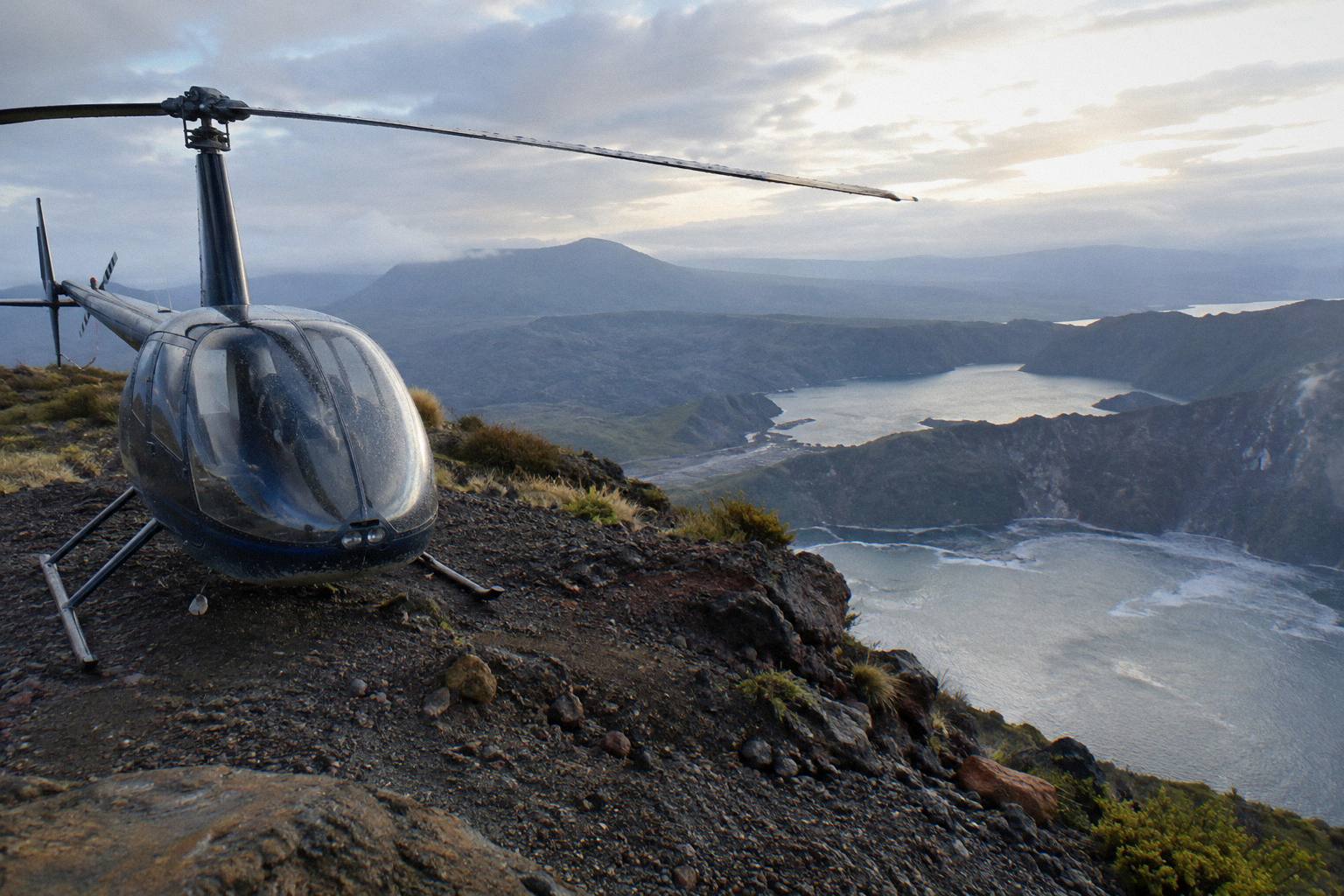
Each option trades time on the mountain against time in the air. Ninety minutes walking the rim, touching the rock, running the scree if you choose, is a different experience from 20 minutes at the top after a flight over three lakes. Neither is better; they answer different questions. The side-by-side comparison at walk, 4WD or helicopter works through the choice in detail, and the helicopter landing and summit walk covers the flying side.
Weight rules differ by product and matter for the flights: the 40-minute landing flight's booking page lists 135 kg per seat, with passengers over 110 kg possibly given specific seating and individual weights taken at booking, while the 1-hour flight's page lists 110 kg total per passenger. Minimum two adult fares apply for flights to operate. The walking day has no published weight rule; ask the operator if it is relevant.
Common Mistakes On A Mt Tarawera 4WD Day
The recurring errors are arriving without water or snacks, wearing unsuitable shoes, ignoring the motion-sickness warning before the off-road leg, assuming the summit will feel like Rotorua town's temperature, and expecting a fixed pickup time that was never promised. Each one is avoidable with a few minutes of preparation the day before.
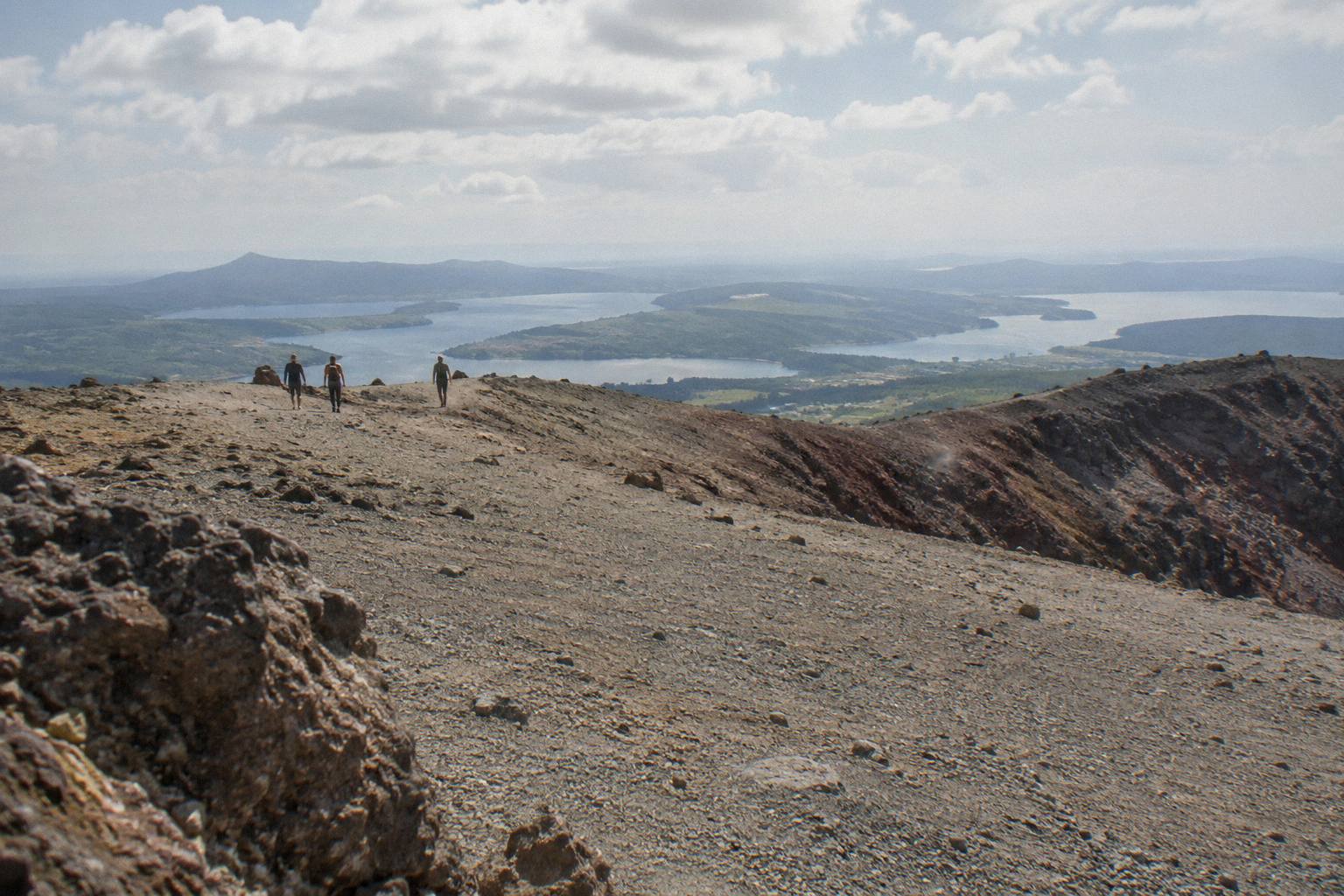
Snacks first, because the operator says plainly that it provides none, and a 4.5-hour mountain morning on an empty stomach sours the summit. Shoes second: scoria underfoot is loose and slippery in the operator's own words, so sandals or worn-out trainers work against you, though sturdy trainers are explicitly fine. Motion sickness third: the warning exists because roughly 8.2 km of bumpy track genuinely rattles, and telling the guide early lets them help.
Weather expectations come next. Rotorua town's numbers are not the mountain's; at 1,111 m the summit is colder and windier, and a day that starts mild can end sharp on the rim. The weather interplay is covered at crater walk and landing weather. Finally, do not build your schedule around a pickup time you assumed: the departure for your date shows during booking, so confirm departure times and pickup arrangements when you book.
One more, quieter mistake: treating the 1886 story as scenery rather than loss. More than 100 people were killed in villages near the mountain when it erupted on the night of 10 June 1886, and the Pink and White Terraces were destroyed. Walking the rift with that in mind changes what the crater rim is, and the conservation page on Kaitiaki's own site explains how today's concession revenue funds the mountain's care.
Common Questions About The Mt Tarawera 4WD Ride And Crater Walk
How Long Is The Mt Tarawera 4WD And Crater Walk Day?
The half-day trip is about 4 hours 30 minutes in all, from the Hemo Road meeting point and back. Within that: about 30 minutes' drive to the base of the 4WD track, roughly 8.2 km of off-road riding, a base camp stop, and about 90 minutes of guided crater walking per the booking page wording.
Where Does The Mt Tarawera 4WD Trip Start?
The meeting point is the Main Carpark on Hemo Road, Whakarewarewa, Rotorua. The booking pages also offer free pickup from central Rotorua accommodation; no pickup or departure time is published in advance, so the details for your date show during booking.
Is The Off-Road Ride Rough?
Yes, genuinely. Kaitiaki describes roughly 8.2 km of bumpy off-road track, and its FAQ carries a motion-sickness warning asking guests to tell the guide. If vehicle motion bothers you, say so at the start rather than enduring it.
Are There Toilets On The Trip?
There is a base camp stop with a composting toilet partway up, after the off-road leg and before the walk begins. It is the last facility before the summit track.
What Is The Minimum Age For The 4WD And Crater Walk?
Age 7 and over for the Kaitiaki half-day and full-day hikes, as the operator states. The Kaituna rafting combo requires ages 13 and over because of the river component.
Can I Book The 4WD Trip For A Specific Date And Cancel If Plans Change?
Yes, the booking page shows availability for your date, and free cancellation up to 24 hours applies on the booking page. The Kaitiaki Half-Day 4WD And Crater Walk is rated 4.9 across 359 reviews, and its price for your date shows on the booking page.