Mt Tarawera Crater Walk And Landing Weather: What Can Change The Plan
Weather on a volcano summit decides whether a trip runs, lands or stays on the ground. Here is what each operator actually says about weather, volcanic activity and loadings, what the town climate tables show, and how cancellation works when the plan changes.
Short answer
Volcanic Air states that tour duration, flight times and inclusions may vary with weather, volcanic activity and passenger loadings, and that landings are at the pilot's sole discretion. Every booking page here offers free cancellation up to 24 hours, and the 40-minute flight and floatplane pages promise a full refund if the operator cancels for weather.
The single most important sentence about weather on Mt Tarawera comes from Volcanic Air itself: "Tour duration, flight times and inclusions may vary due to weather conditions, volcanic activity and passenger loadings. Excursion landings are undertaken at your own risk and such landings are at your pilot's sole discretion." That is the whole risk picture for a helicopter landing on the summit in two lines, and it deserves a close read before anyone books a flight, a 4WD crater walk, or anything else on the mountain.
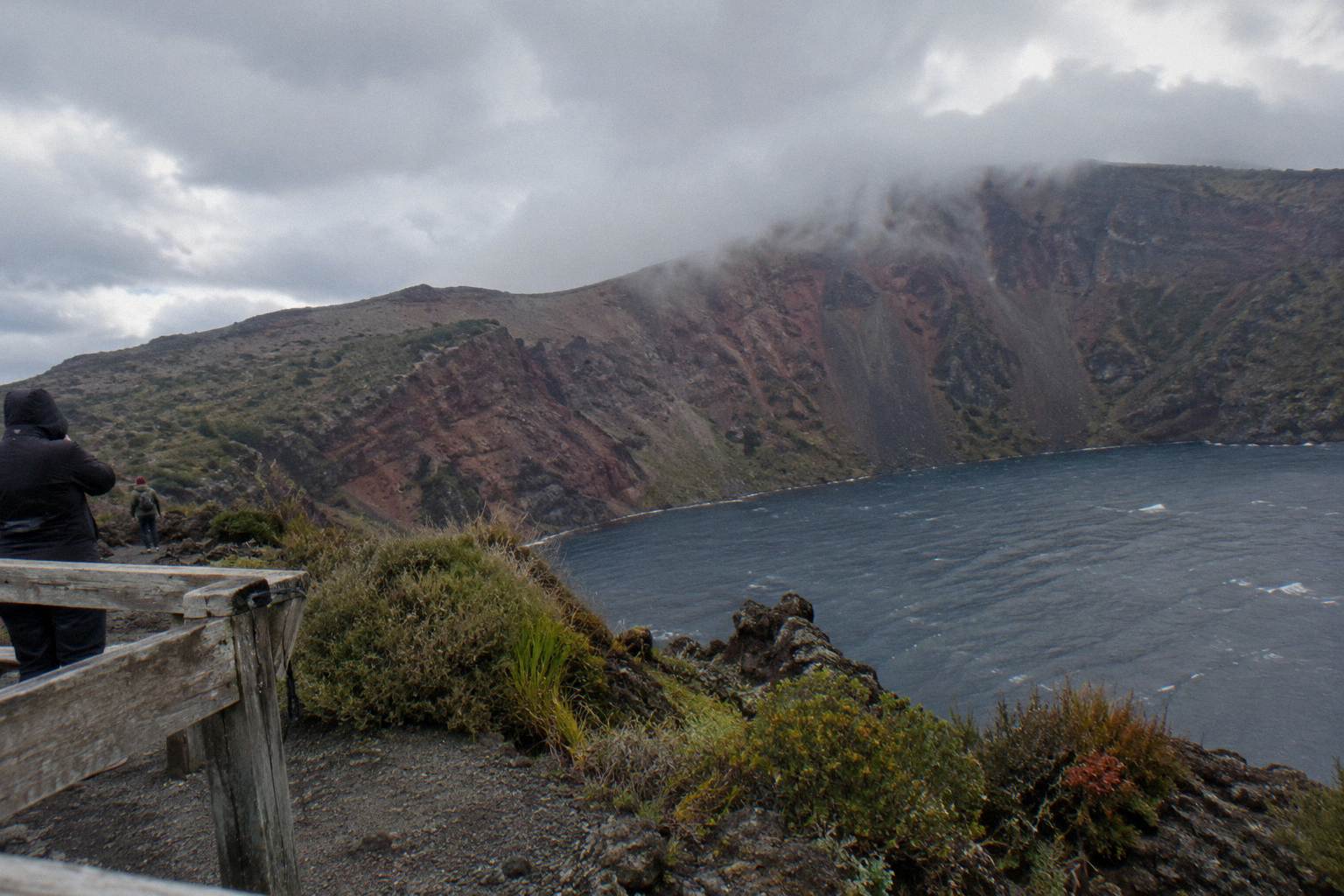
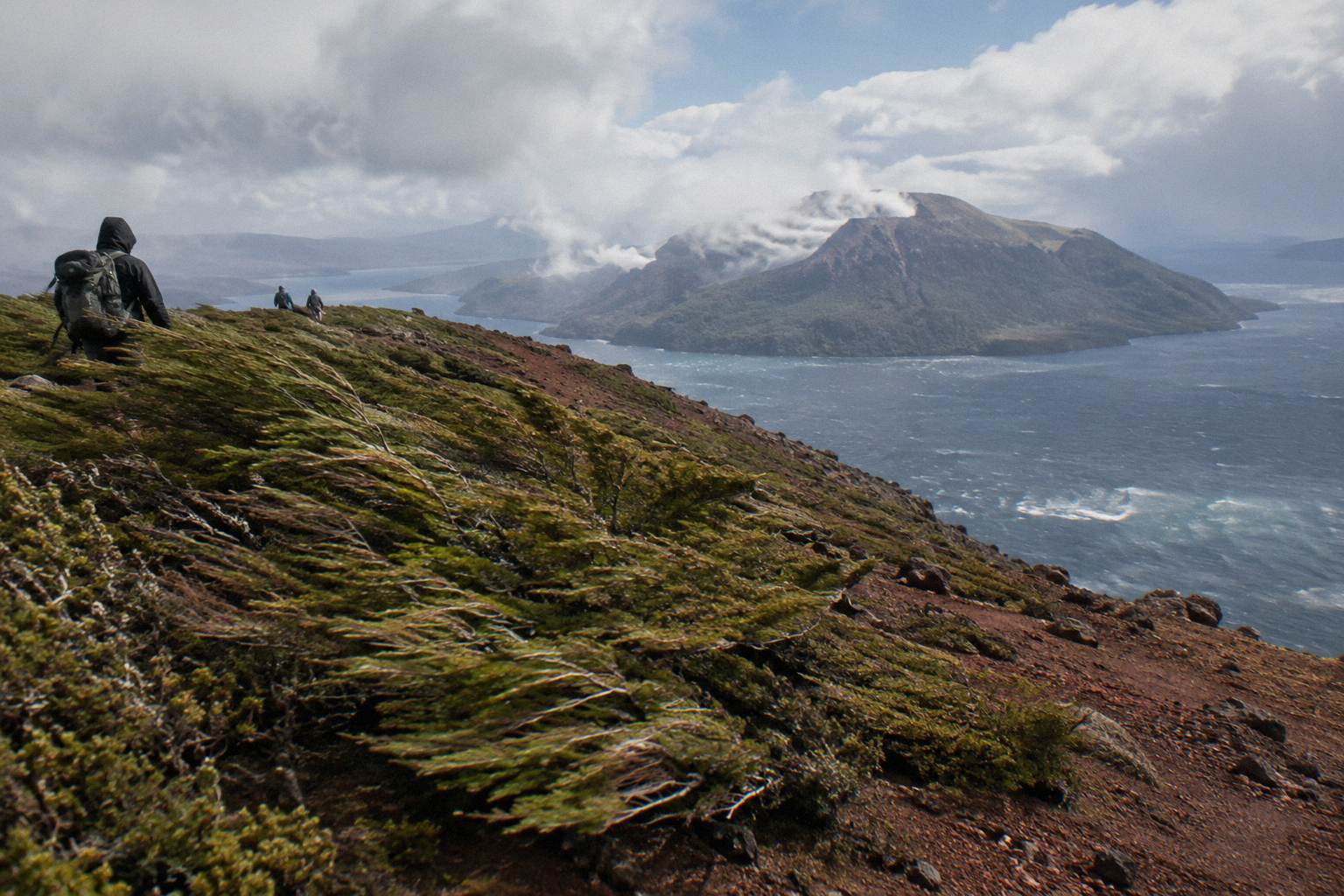
The summit of Ruawahia stands 1,111 m above sea level, well above the Rotorua town site at about 280 m, and it is colder and windier up there than anywhere the climate tables describe. A day that feels mild on the lakefront can be a different walk entirely on volcanic scoria at altitude. Readers weighing a helicopter landing and summit walk against a 4WD-and-walk format should treat weather as the deciding variable, not a footnote. The mountain is governed by Ruawahia 2B Trust, and both operators covered here, Kaitiaki Adventures and Volcanic Air, describe themselves as concessionaires working alongside Ngati Rangitihi, which is why every trip up the mountain runs through an operator rather than a trailhead gate.
What Weather Can Actually Change On The Day
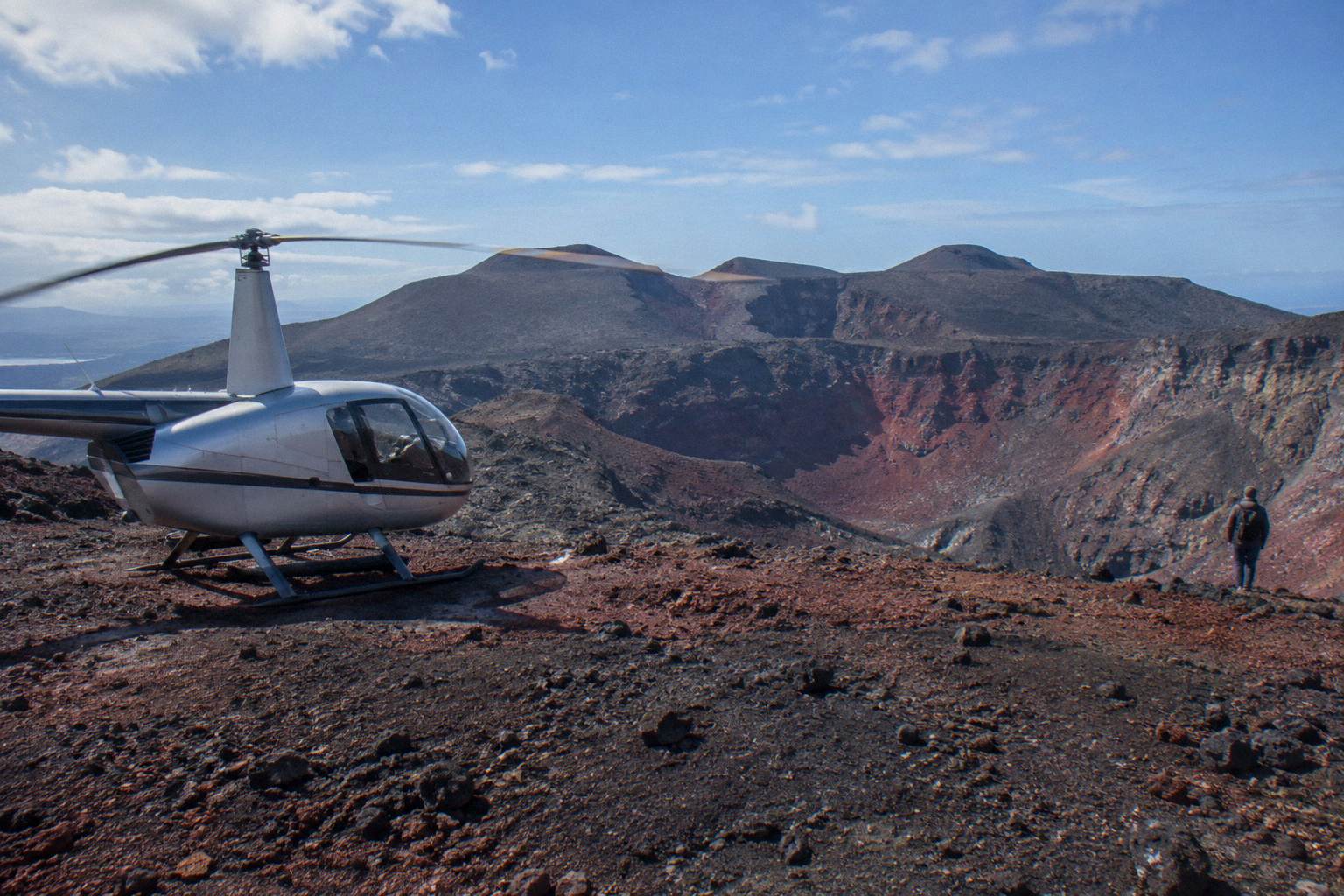
On a helicopter trip, weather can change your tour duration, flight times, route, inclusions and even the landing itself, since Volcanic Air states these may vary due to weather conditions, volcanic activity and passenger loadings, with excursion landings at your pilot's sole discretion. On a guided walk, it can change what your group does on the summit track, as Kaitiaki notes guests may take lighter walking options instead of the summit.
A landing is never guaranteed, and neither is a view. The booking pages for the flights describe a landing and guided walk on Mt Tarawera as the plan, but the operator's terms make clear that the pilot makes the final call with the conditions of the moment in front of them. The same wording applies to every Volcanic Air product discussed here: the 40-minute summit landing flight, the 1-hour mountain landing flight and the Tarawera and Orakei Korako dual landing flight all carry the pilot's-sole-discretion clause.
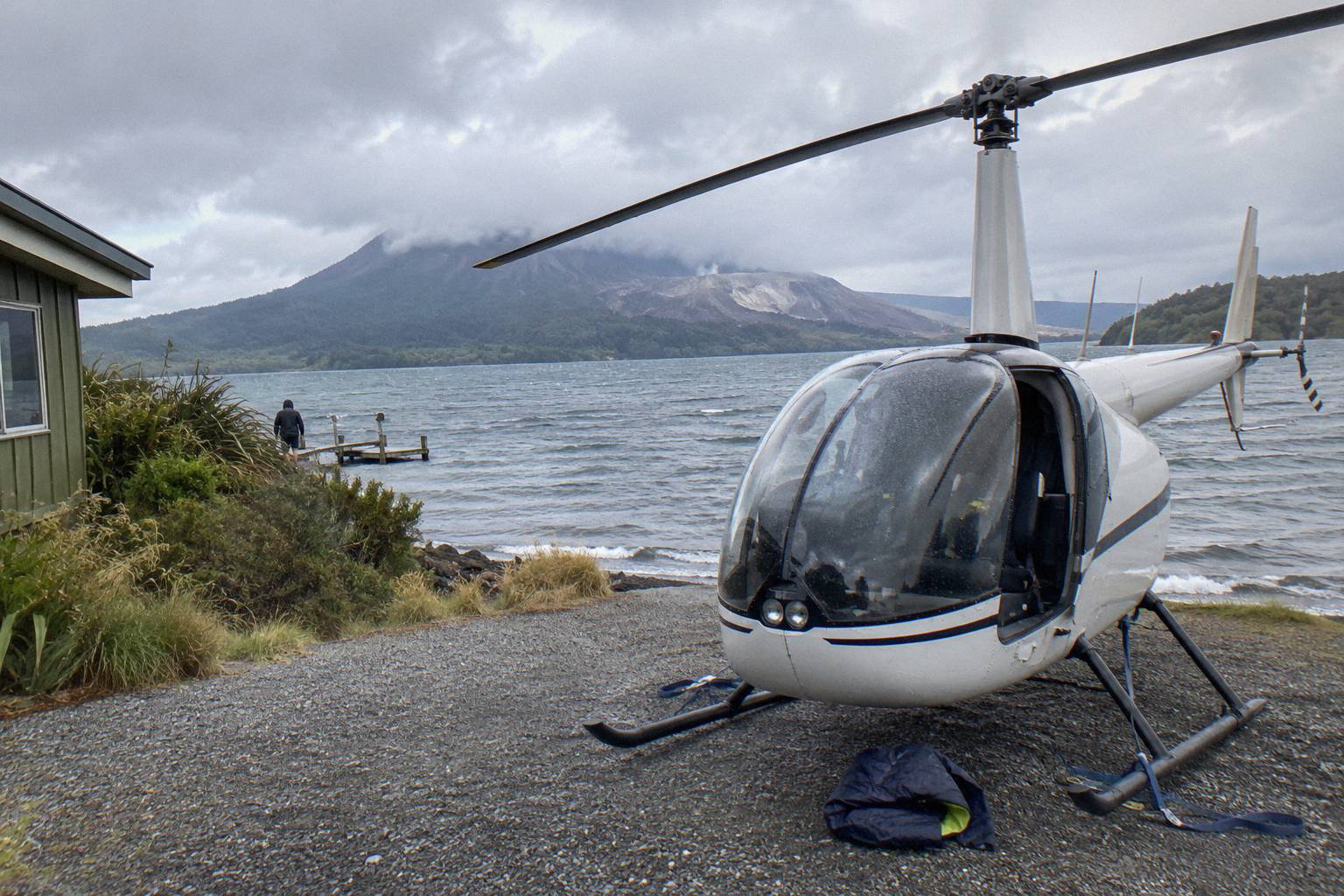
Passenger loadings matter too, and they are part of the same sentence as the weather for a reason. Each flight needs a minimum of 2 adult fares to operate, and the booking pages carry per-seat weight rules: 135 kg per seat on the 40-minute flight and the floatplane, 110 kg total per passenger on the 1-hour flight, and 130 kg total per passenger on the dual landing. None of these is a weather rule, but all of them sit alongside weather in the operator's own list of things that can vary a tour.
On the walking side, the variables are different. The Kaitiaki half-day trip reaches the mountain by 4WD, about 30 minutes from the meeting point and then roughly 8.2 km of off-road driving, and the walk itself crosses volcanic scoria that the operator describes as able to be slippery. Weather shapes how that surface behaves and how the guided group moves across it, which is a good reason to read the step-by-step account of the Mt Tarawera crater walk before choosing a date.
What Each Operator Says About Weather And Cancellation
Every one of the six trips covered here offers free cancellation up to 24 hours before it starts, on the booking page. The booking pages for the Volcanic Air 40-minute landing flight and the Tarawera Scenic Floatplane Flyover both say a full refund is given if the operator cancels for weather. Kaitiaki's own weather and cancellation policy is not on its operator pages, so ask when you book.
Those are the facts that matter most to a booking decision, and they are worth reading slowly. Free cancellation up to 24 hours applies across the whole set: the Kaitiaki half-day walk, the 40-minute and 1-hour landing flights, the dual landing, the floatplane and the Kaituna rafting combo. If your plans shift before that 24-hour mark, the booking terms let you out. Inside the final 24 hours, the operator's own policy governs, so confirm at booking.
| Trip | What the operator says about weather and conditions | Refund if operator cancels for weather |
|---|---|---|
| Kaitiaki Half-Day 4WD And Crater Walk | Policy not on the operator's pages: ask when booking | Ask when you book |
| Volcanic Air 40-Minute Summit Landing Flight | Duration, times and inclusions may vary with weather, volcanic activity and loadings; landings at the pilot's sole discretion | Full refund, on the booking page |
| Volcanic Air 1-Hour Mountain Landing Flight | Same sole-discretion landing wording | Ask the operator |
| Tarawera And Orakei Korako Dual Landing Flight | Landing at the pilot's sole discretion | Ask the operator |
| Tarawera Scenic Floatplane Flyover | Flyover only, no landing; minimum numbers on the booking page | Full refund, on the booking page |
| Kaituna Rafting And Tarawera Crater Walk Combo | Two separately timed activities; ask about weather handling | Ask when you book |
The floatplane deserves a special note because it is the format that removes the landing question entirely. The Tarawera Scenic Floatplane Flyover is rated 4.8 across 48 reviews, costs from NZ$395 per person, and it does not land on the mountain: flyover only, and that belongs in the same sentence every time it is mentioned. The booking page also lists minimum numbers, so it carries its own operational conditions even without a landing decision.
The 40-minute summit landing flight, from NZ$675 per person and rated 4.9 across 43 reviews, is the trip where the weather clause bites hardest, because the landing is the product. It departs from Lakefront Drive on the Rotorua City Lakefront, flies over lakes Okareka, Okataina and Tarawera, and then, conditions permitting, lands on the summit for a guided walk: the operator's own page says 15 minutes and the booking page says about 20 minutes. Readers comparing it with the longer airborne option can weigh the Volcanic Air 1-Hour Mountain Landing Flight against it, with 40-Minute Helicopter Summit Landing showing the live terms for your date.
Rotorua Town Climate By Month
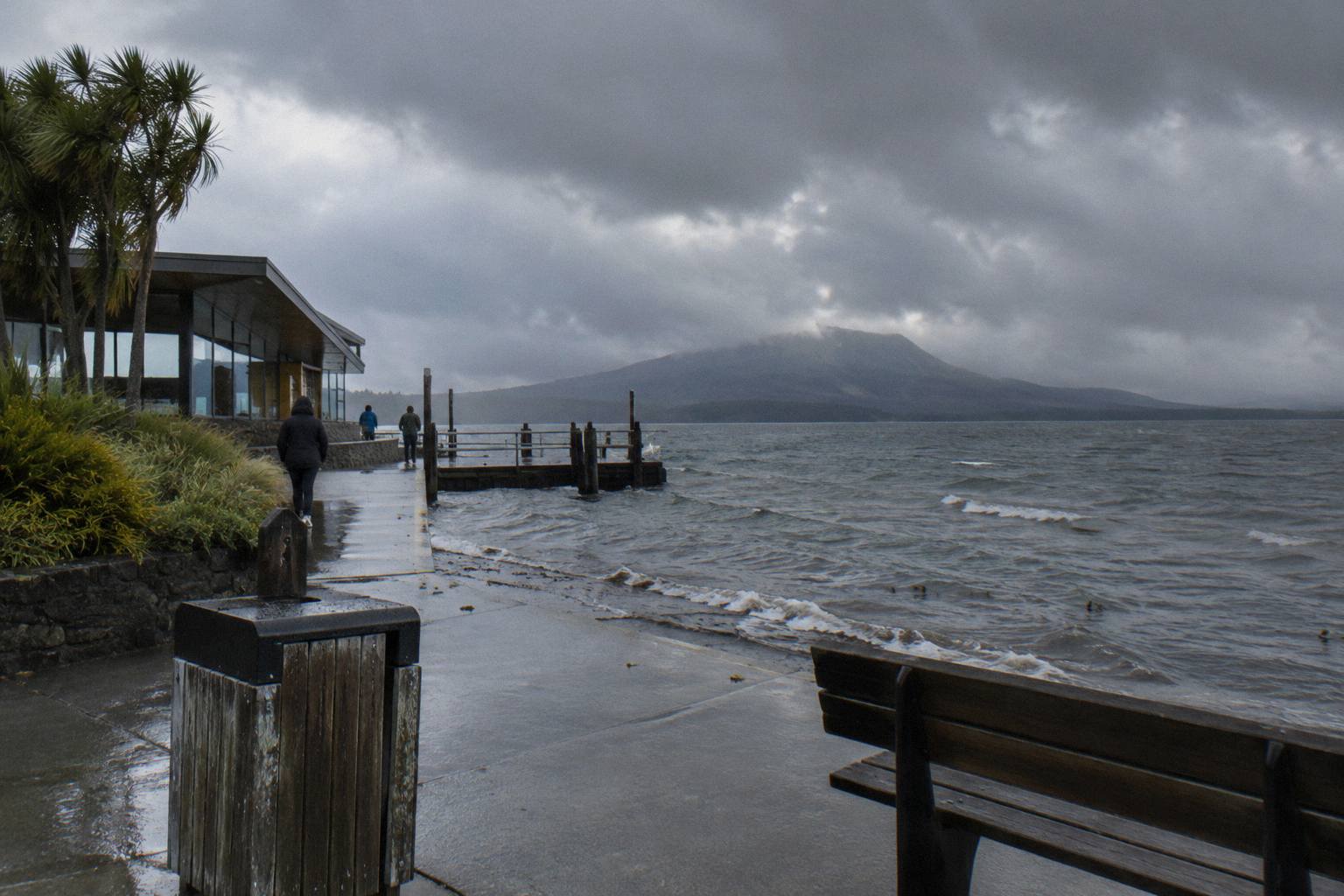
The climate numbers below describe Rotorua town at about 280 m, not the summit. The town's mean daily maximum ranges from 12.0 °C in July to 23.1 °C in February, July is the wettest month at 137.4 mm of rain and November the driest at 86.8 mm, across about 1,355.6 mm a year. The summit at 1,111 m is colder and windier than any figure in that set.
These are 1991 to 2020 normals, town-station figures, useful for planning the drive, the lakefront departure and the night before, and nothing more. No table can describe the summit on the day you stand on it, and no month can be called the best one.
| Month | Mean daily max C | Mean daily min C | Average rainfall mm |
|---|---|---|---|
| Jan | 22.9 | 12.6 | 93.8 |
| Feb | 23.1 | 13.1 | 100.4 |
| Mar | 21.1 | 11.1 | 100.3 |
| Apr | 18.1 | 8.7 | 133.0 |
| May | 15.2 | 6.6 | 130.2 |
| Jun | 12.7 | 4.4 | 131.9 |
| Jul | 12.0 | 3.7 | 137.4 |
| Aug | 12.8 | 4.1 | 125.2 |
| Sep | 14.5 | 5.8 | 106.6 |
| Oct | 16.4 | 7.4 | 92.9 |
| Nov | 18.6 | 9.0 | 86.8 |
| Dec | 20.8 | 11.5 | 117.1 |
What the table quietly says is that rain falls somewhere in the Rotorua town record on roughly a third of the days in a year, spread across every month, with a modest swing between the November low of 86.8 mm and the July high of 137.4 mm. That flatness matters: there is no dry season to aim at, only dates, forecasts read close to the day, and booking terms that let you move. Readers deciding when to go can take the longer view in which months suit a Mt Tarawera crater walk.
How To Plan Around A Weather Call
Book the date you want, read the cancellation terms on the booking page before you pay, and watch the forecast in the final 48 hours rather than the week before. Free cancellation up to 24 hours applies to all six trips here, the 40-minute flight and the floatplane give a full refund if the operator cancels for weather, and the landing decision itself is made by the pilot on the day, not in advance.
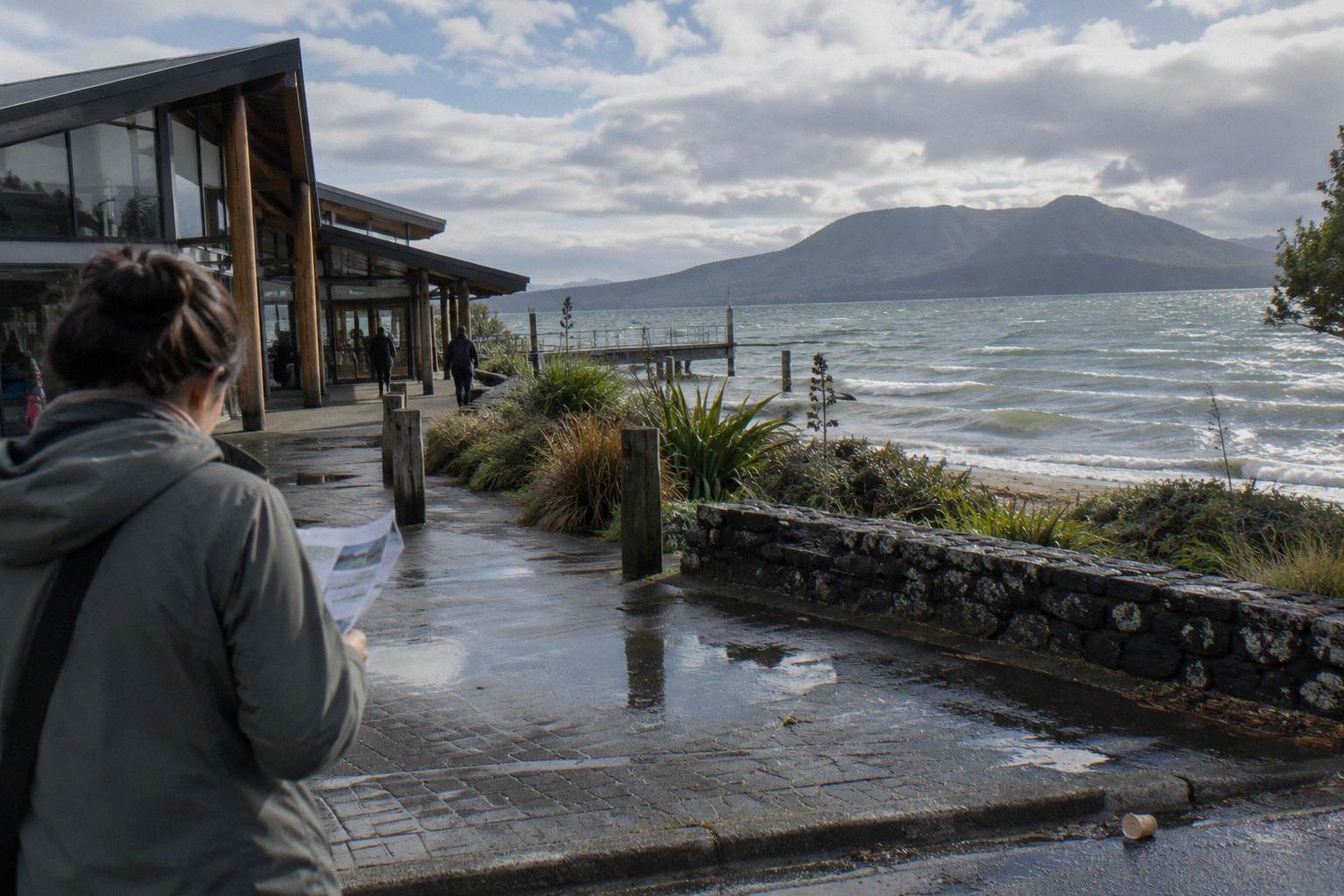
A practical sequence looks like this. Choose a format first: walk, helicopter landing or flyover. Check the meeting point, the duration and the age or weight rules against your group. Then check availability for two or three candidate dates rather than one, so that a poor forecast is a shuffle rather than a loss. The 40-minute flight meets at the Rotorua City Lakefront helipad on 1 Lakefront Drive, and the Kaitiaki walk meets at the Main Carpark on Hemo Road in Whakarewarewa, with pickup from central Rotorua accommodation offered on the booking page; ask about timing when you book. The rest of the planning pages sit on Mt Tarawera Volcano Hike.
Each format also carries a different amount of time at risk, which is worth putting side by side before the weather does it for you. The flights measure their exposure in minutes over the crater rim, while the walk spends hours on the mountain with a drive in and out on either side.
| Format | Trip | Duration | Meeting point | Weather exposure |
|---|---|---|---|---|
| Helicopter landing | 40-Minute Summit Landing Flight | 40 minutes | 1 Lakefront Drive helipad | Landing at the pilot's sole discretion |
| Helicopter landing | 1-Hour Mountain Landing Flight | 1 hour | Lakefront Drive helipad | Landing at the pilot's sole discretion |
| Helicopter landing | Dual Landing Flight | 3 hours | 1 Lakefront Drive helipad | Landing plus a ferry leg to Orakei Korako |
| Flyover | Scenic Floatplane Flyover | 30 minutes | Lakefront floatplane base | No landing; minimum numbers apply |
| Guided walk | Kaitiaki Half-Day 4WD And Crater Walk | 4 hours 30 minutes | Main Carpark, Hemo Road | Hours on the summit track, 4WD access road in and out |
| Combo | Kaituna Rafting And Tarawera Crater Walk Combo | 9 hours | Pickup from central Rotorua offered | Two separately timed activities |
The walk format carries a different weather exposure than the flight, mainly because it spends longer on the mountain. Kaitiaki's FAQ asks guests to bring sturdy walking shoes, comfortable clothing for the weather, water and snacks, since the operator provides no food, and it hands out walking sticks at a base camp stop. The fitness framing is moderate, with lighter walking options instead of the summit for guests who want them, which gives a guided group some internal flexibility when the day turns. The full picture of effort and ability is in the crater walk difficulty and fitness guide.
The half-day 4WD and crater walk runs 4 hours 30 minutes, is rated 4.9 across 359 reviews, and its price shows on the booking page for your date. It is the grounded counterpart to the flights: no pilot's discretion, but full exposure to whatever the summit sky is doing for the roughly 90 minutes of guided crater walking the booking page describes.
One more planning lever is the flyover. Because it never attempts a landing, the floatplane removes the sole-discretion question from the day, though its booking page carries minimum numbers of its own. It runs 30 minutes from the lakefront floatplane base and costs from NZ$395 per person. All amounts in dollars here are New Zealand dollars.
Common Mistakes Readers Make With Summit Weather
The mistakes are treating a landing as certain, reading town temperatures as summit temperatures, assuming a refund inside 24 hours, and booking a single fixed date with no room to move. Volcanic Air's terms put the landing at the pilot's sole discretion, the summit at 1,111 m is colder and windier than the town, and free cancellation runs out 24 hours before the trip starts.
The first mistake is reading a flight's headline and skipping its terms. The booking pages describe a landing and a guided walk, and the operator's own conditions page explains exactly how that plan can flex: duration, times, inclusions, and the landing call itself. A reader who knows the clause books with eyes open and treats a landing as the intended outcome, not a promise.
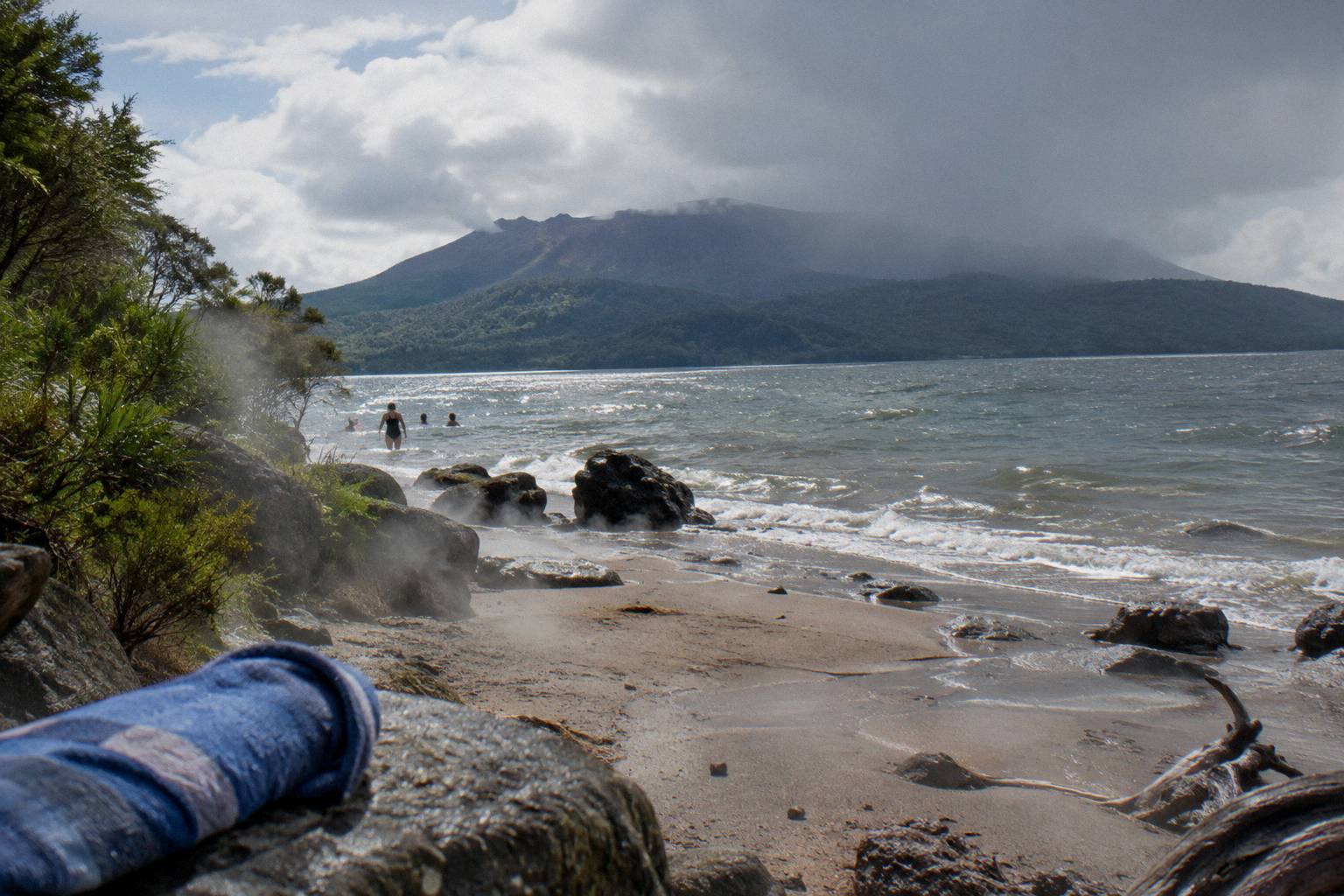
The second mistake is packing for the numbers in the table above. Those are town figures. The summit stands far higher than the town, and air that feels still at the lakefront can move hard across an exposed crater rim. The packing answer is the operator's own list: sturdy shoes, weather-appropriate clothing, water and snacks, with more about gear in what to wear and bring on the Mt Tarawera crater walk.
The third mistake is assuming the operator's weather-cancel refund and the 24-hour cancellation window are the same thing. They are separate: one covers you changing your mind up to 24 hours out, the other covers the operator calling the trip off. The booking pages for the 40-minute flight and the floatplane state the weather-cancel refund plainly; for the 1-hour landing flight and the dual landing, ask the operator directly.
The fourth mistake is a schedule with zero slack. A traveller with one morning in Rotorua and a non-refundable onward booking has given the weather full power over the whole itinerary. A traveller with two candidate mornings has a plan B that costs nothing to hold.
Volcanic Activity And The Landing Question
GeoNet publishes the current volcanic alert level for the Okataina Volcanic Centre, the caldera that contains Tarawera; check it before you travel. Volcanic Air names volcanic activity, alongside weather and passenger loadings, as a factor that can change a tour's duration, times and inclusions, with landings at the pilot's sole discretion. Activity levels can change at any time, so treat the current level as a live reading, not a fixed fact.
This is why the operator's wording pairs weather with volcanic activity in one sentence. Tarawera is one of the dome volcanoes of the Okataina Volcanic Centre, and the 10 June 1886 eruption was New Zealand's largest in the last 500 years, heard as far as Blenheim with ash falling as far as Christchurch. That history is why landing and walking on the mountain runs through concessionaire operators working with Ngati Rangitihi rather than casual access, a story told fully in who owns Mt Tarawera and why access is guided.
For a reader booking today, the practical takeaway is simple: the volcano's status is monitored continuously by GeoNet, the operators hold concessions that depend on it, and the pilot or guide on your day has the final word. The GeoNet volcano page carries the live alert levels for every New Zealand volcanic centre. The eruption history itself, including what happened to the Pink and White Terraces, is covered in when did Mt Tarawera erupt.
The dual landing flight, from NZ$1,490 per person for 3 hours, folds a second variable in: it combines the Tarawera landing with a ferry transfer to Orakei Korako and a 1-hour self-guided visit there, so its day can flex in more places than one. Its booking page is new and carries no rating yet, so there is nothing to compare on reviews; treat it as a format choice, not a popularity contest.
The Day Before And The Morning Of
Watch the forecast from 48 hours out, recheck the evening before, and arrive at the meeting point expecting the operator to make the call on the day. The 40-minute flight meets at 1 Lakefront Drive, the walk meets at the Main Carpark on Hemo Road, and both trips end back where they started, which makes any change of plan logistically simple.
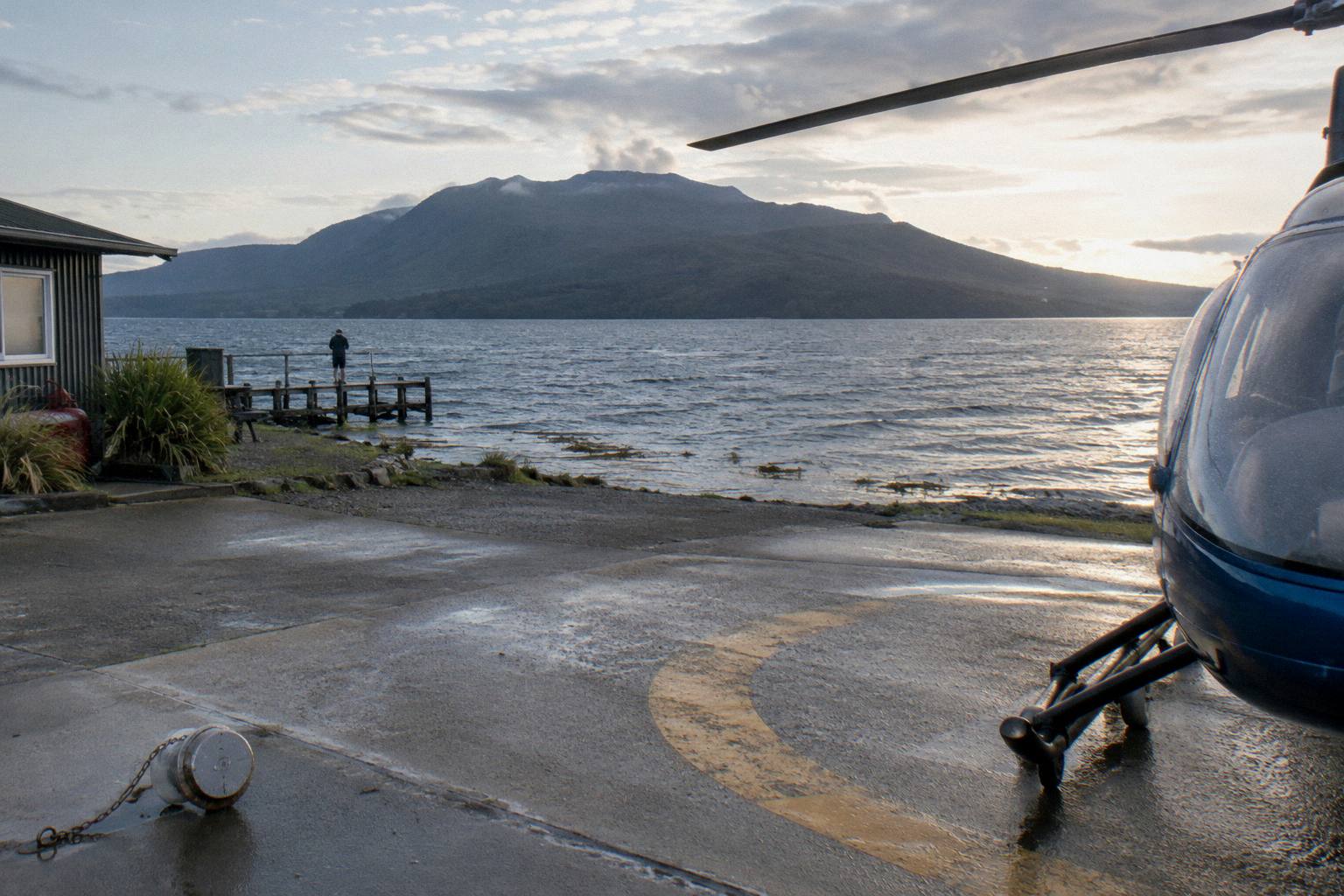
Morning conditions on a lakefront departure are worth an early alarm, because a calm lake and a clear sky at the helipad usually travel partway up the mountain with you. If the operator moves or shortens a trip, the terms you agreed to at booking govern what happens next, and the weather-cancel refund on the 40-minute flight and the floatplane is the clearest protection among the set. On the walk side, Kaitiaki's FAQ mentions a motion-sickness warning for the 8.2 km of off-road driving, so tell the guide early; a rough access road in wet conditions is uncomfortable for anyone prone to motion sickness.
It also pays to hold the adjacent visits loosely. The Buried Village of Te Wairoa on Tarawera Road opens 10am to 4pm Wednesday to Sunday with last entry at 3.45pm, so a shuffled trip day can collide with a Monday or Tuesday closure; details are on the Buried Village's own page. Waimangu Volcanic Valley, which describes its geothermal system as formed by the 1886 eruption, is a natural pairing and appears in the Waimangu and crater walk combination guide.
Finally, keep the formats in proportion to the group. A family with a 7-year-old is inside the age rule for the Kaitiaki half-day walk and inside none of the helicopter decisions until Volcanic Air confirms ages, so ask about age limits when you book. Age limits across all the trips are compared in the guided hike with kids and age limits guide. Whatever the forecast says, the operator standing in front of you on the day knows the mountain better than any table does, and every one of these trips ends back where it began.
Common Questions About Mt Tarawera Weather
Is A Helicopter Landing On Mt Tarawera Guaranteed?
No. Volcanic Air's wording says excursion landings are undertaken at your own risk and are at your pilot's sole discretion, and that duration, flight times and inclusions may vary with weather conditions, volcanic activity and passenger loadings. A landing is the plan, never a promise.
Do I Get A Refund If Weather Cancels My Trip?
The booking pages for the Volcanic Air 40-Minute Summit Landing Flight and the Tarawera Scenic Floatplane Flyover say a full refund is given if the operator cancels for weather. For the other trips, ask the operator; Kaitiaki's weather and cancellation policy is not on its pages.
Can I Cancel My Own Booking If The Forecast Looks Bad?
Yes, up to a point. Every trip covered here offers free cancellation up to 24 hours before it starts, on the booking page. Inside that window the operator's own policy applies.
How Cold Is The Summit Compared With Rotorua Town?
The summit of Ruawahia stands 1,111 m high while the town sits at about 280 m, and the summit is colder and windier. No summit temperature figures are published, so pack for conditions well beyond the town forecast.
Which Month Has The Best Weather For A Mt Tarawera Trip?
No month can be called the best. Rotorua town normals show July as the wettest month at 137.4 mm and November as the driest at 86.8 mm, but rain falls in every month of the year, so pick dates that suit your plans and keep the 24-hour cancellation in reserve.
Does Volcanic Activity Affect Trips?
It can. Volcanic Air names volcanic activity, alongside weather and passenger loadings, as a factor that may vary tour duration, flight times and inclusions. GeoNet lists the Okataina volcanic centre's alert level live on its volcano page.